Last updated November 21, 2026
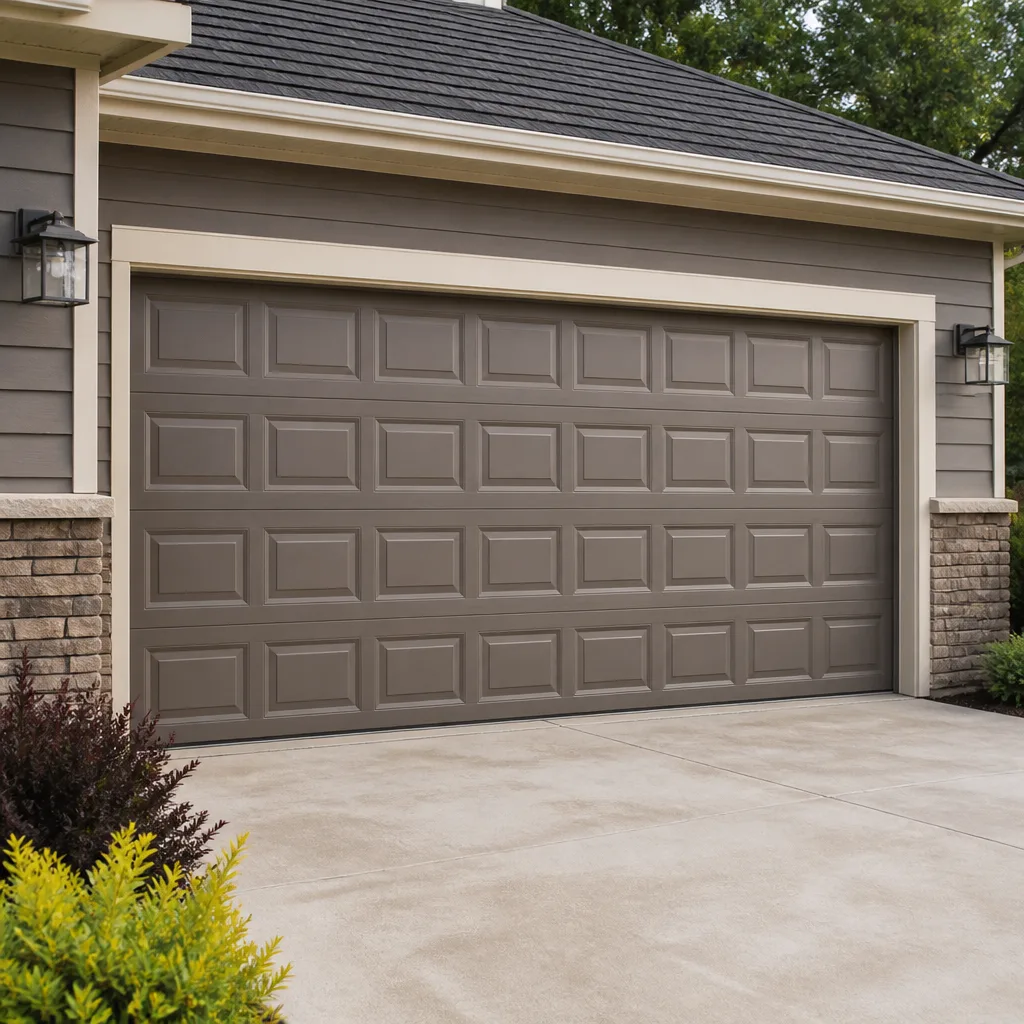 Raised-panel steel
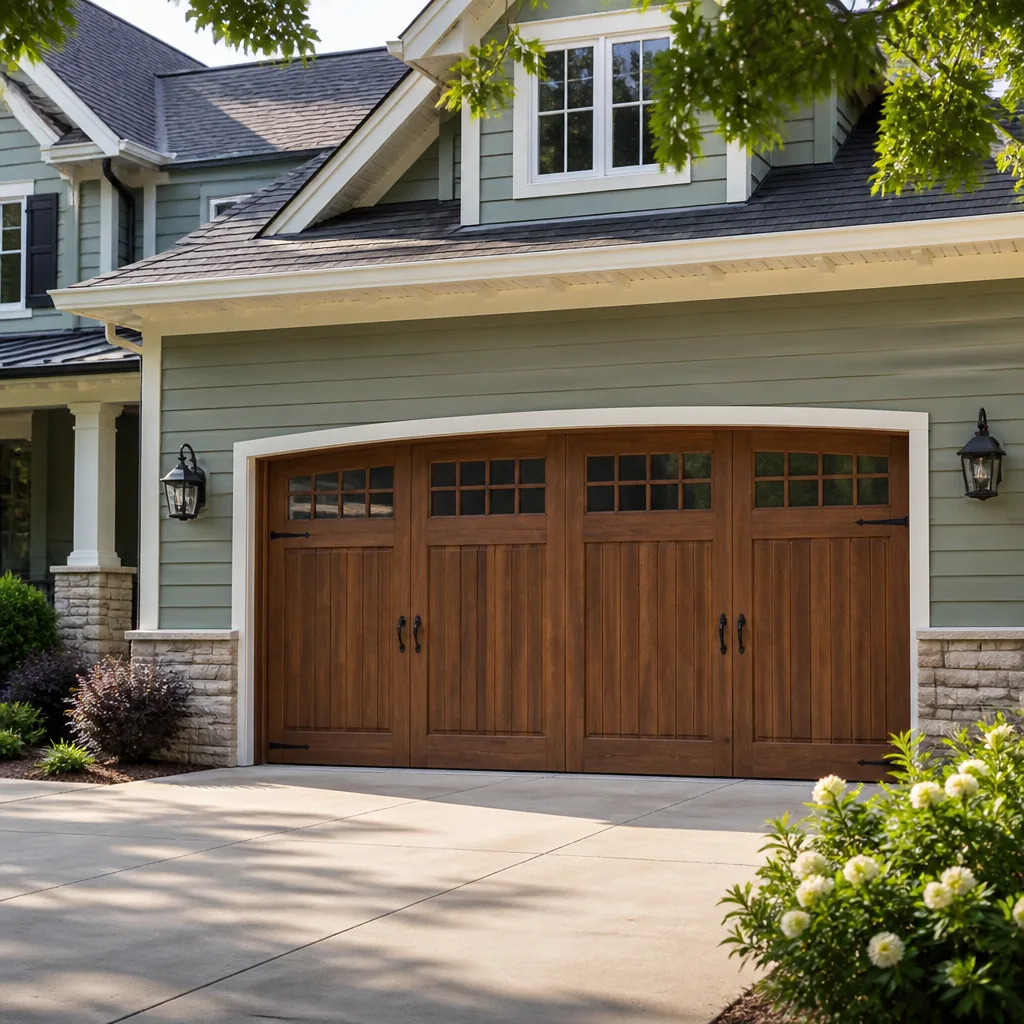 Carriage house
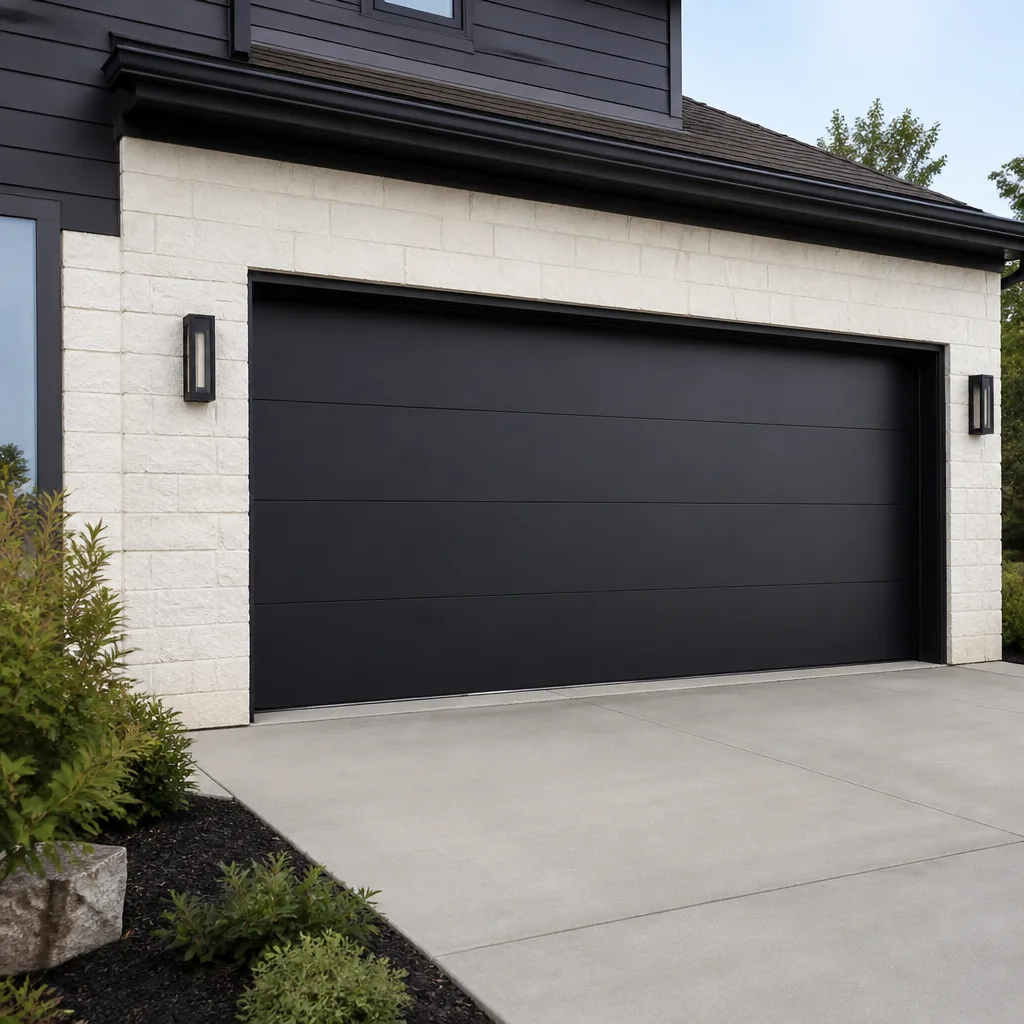 Modern flush
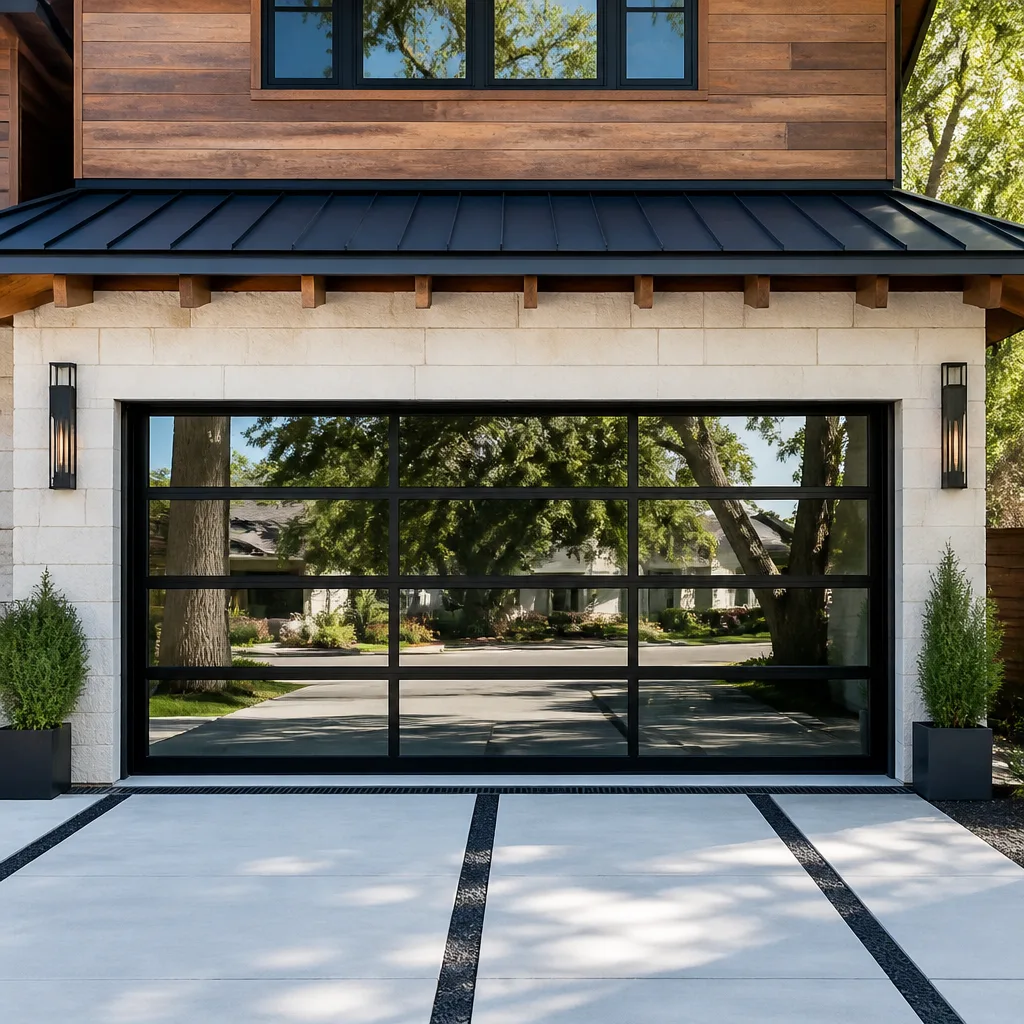 Full-view glass
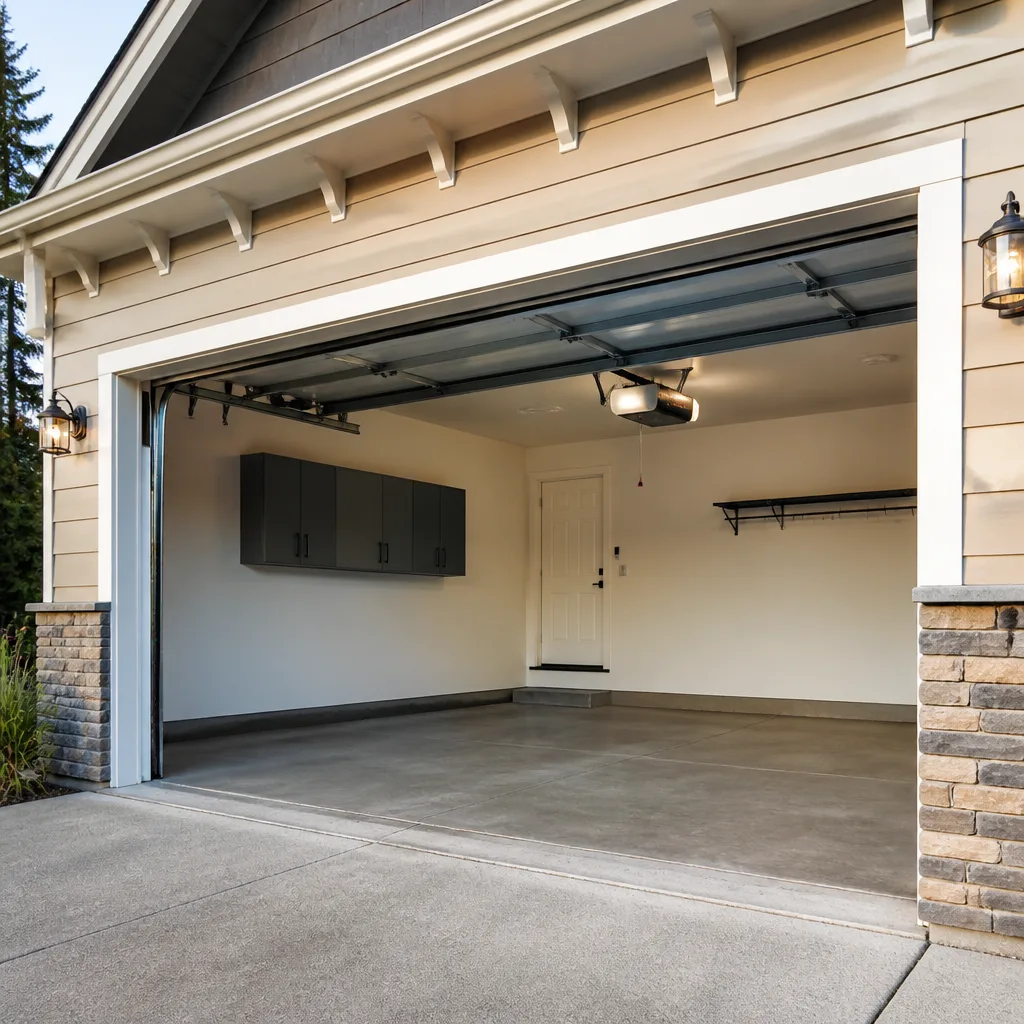 LiftMaster openers
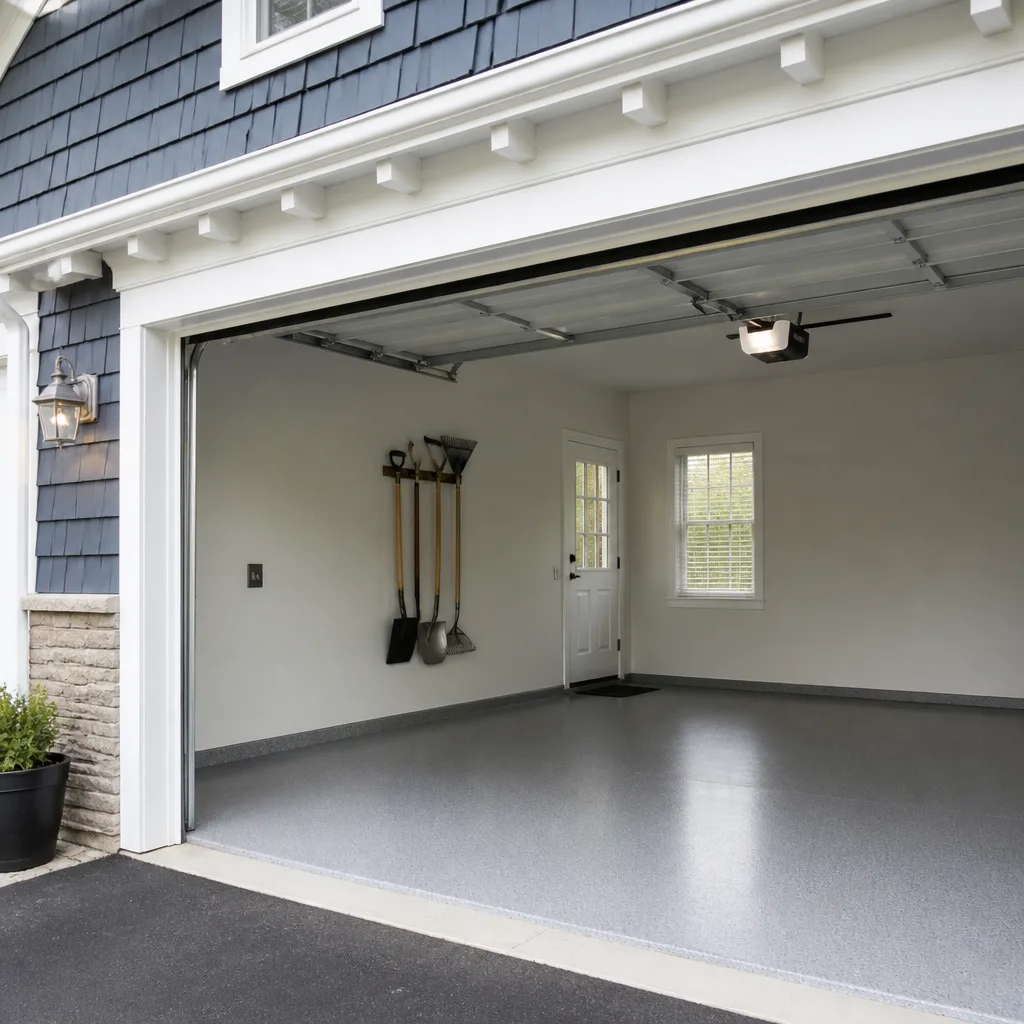 Chamberlain openers
Full 25-point door and opener safety check with every visit - springs, cables, rollers, tracks, and your LiftMaster or Chamberlain opener included
You get a price before we start. It does not change when the pro arrives.
Get your free estimateSeasonal Garage Door Care for Crown Heights: Year-Round Homeowner’s Guide
Most garage door advice treats the year as four equal seasons and tells you to “inspect regularly.” That’s not how failures actually happen in Crown Heights. The truth is more useful: the vast majority of mechanical breakdowns cluster into two narrow windows, the first hard freeze that lands in Brooklyn in late November and the freeze-thaw churn of early spring. The rest of the year, your door mostly needs a light touch. This guide is built around that rhythm. You’ll learn which fall hardware checks prevent the most common winter failures, how cold affects torsion springs without you ever touching one, what to look for on seals and panels after a Brooklyn winter, and a month-by-month calendar tuned to Crown Heights weather rather than a national average.
Styles & brands we work with
- Raised-panel steel
- Carriage house
- Modern flush
- Full-view glass
- LiftMaster openers
- Chamberlain openers
Quick Answer
Seasonal garage door care in Crown Heights comes down to two heavy prep periods and two light maintenance periods. Spend your effort in late fall before the first freeze and again in early spring after freeze-thaw cycling, because that’s when the cold-driven failures show up. Through summer and late spring, keep hinges, rollers, and weatherstripping clean and watch wood doors for humidity swelling. Springs, cables, and any high-tension hardware should always be left to a trained technician.
Table of Contents
- Why Crown Heights Doors Fail on a Different Schedule
- Fall Prep: The Hardware Checks That Prevent Winter Failures
- How Cold Affects Torsion Springs (and What You Can Monitor Safely)
- Spring Tasks After Freeze-Thaw Cycling
- Summer Humidity and Wood Door Swelling: Normal vs. Failing
- The Crown Heights Month-by-Month Task Calendar
- Opener Care Through the Seasons
- Common Mistakes to Avoid
- When to Call a Professional
- Frequently Asked Questions
Why Crown Heights Doors Fail on a Different Schedule
Crown Heights sits in a stretch of Brooklyn where winters swing hard between freezing nights and mild days, and where the housing stock ranges from prewar brick rowhouses to newer infill. That combination shapes your garage door’s year. The metal the door runs on, and the springs that counterbalance it, expand and contract with every temperature shift. Each hard freeze is a stress event. Each thaw is a release. Repeat that dozens of times through a Brooklyn winter and you get metal fatigue, seal compression, and sticking hardware that a mild climate never produces.
The other local factor is age. A lot of Crown Heights garages are attached to older homes, which means wood doors, older sectional steel, and openers that have been in place for years. Those systems don’t fail randomly. They fail on the same schedule as everything else here: at the first freeze and at the spring thaw. Knowing that lets you work ahead of the problem instead of reacting to it.
We separate the year into two zones of effort:
- Heavy prep (late October into November). Everything that protects the door through the deep cold. This is the week the phone volume climbs, because every ignored fall issue surfaces at once.
- Heavy recovery (March into April). Everything that freeze-thaw cycling wore down. Seals, joints, rollers, track alignment.
- Light maintenance (late spring through summer). Lubrication, cleaning, watching for humidity-related swelling on wood panels, keeping the opener electronics healthy.
If your door is due for a bigger fix or an outright replacement, that’s scheduled work, not an emergency. A good time to plan it is the shoulder months before the cold sets in. You can read more about that in our guide to garage door installation, where we walk through how measuring and ordering work so you’re not caught mid-winter with a failing door and no lead time.
Fall Prep: The Hardware Checks That Prevent Winter Failures
The most common winter failure in Crown Heights starts in October, not January. It’s a hinge that’s dry, a roller that’s stiff, or a track that’s slightly out of alignment, and none of it matters until the cold arrives and every moving part gets harder to move. What you do in late fall determines how your door behaves in February. All of these checks are safe to do from the ground with the door closed and the opener disconnected.
- Listen before you look. Run the door and stand back. Grinding, squealing, or a hollow thunk tells you where the trouble is before you inspect anything. A door that’s quiet in October is far less likely to strand you in November.
- Lubricate hinges and rollers. A garage door specific lubricant on every hinge pivot and roller bearing, not WD-40 and not grease. This is the single highest-value fall task in a Brooklyn climate, because cold thickens whatever’s already there.
- Check the track for bends and debris. Look for dents, rust, or anything lodged in the channel. A track that’s off by a fraction runs fine in warm weather and binds when it contracts in the cold.
- Test the balance by hand. Disconnect the opener and lift the door halfway. It should stay put with little effort. If it drops, rises, or feels heavy, the springs need a professional look before winter, not after.
- Inspect the weatherstripping and bottom seal. Run your hand along the bottom seal for cracks or gaps. A seal that’s already failing lets in cold air and snowmelt, and by January it’s a frozen puddle against the door that freezes it to the floor.
- Check the wall-mounted safety sensors. Wipe them clean and confirm the indicator lights are steady. Cold and condensation make an already marginal sensor unreliable.
None of this touches the springs or cables, and it shouldn’t. Those are the parts that carry the door’s full weight under tension, and a mistake there causes serious injury. If step four tells you the door isn’t balanced, that’s your cue to call rather than investigate further. Spring work is a routine specialty for our technicians, not a cautious experiment, and garage door repair for a tired spring is exactly the kind of job that should happen before the first freeze rather than during it.
How Cold Affects Torsion Springs (and What You Can Monitor Safely)
Torsion springs are calibrated to counterbalance a specific door weight at a specific tension. Cold metal behaves differently than warm metal: it contracts, it becomes more brittle, and it holds tension with less give. In a Crown Heights winter that means a spring that was perfectly tuned in September is working under different conditions by January. You can’t retune it yourself, and you shouldn’t try. What you can do is monitor for the warning signs that a spring is nearing the end of its service life.
Watch for these from a safe distance, without touching the hardware:
- A door that feels heavier than usual when you lift it by hand. With the opener disconnected, a balanced door moves with light effort. Growing heaviness means the springs are losing their lift.
- Uneven travel. The door drifts to one side, or one side lags. That can be spring tension or a cable issue, and both warrant a call.
- A loud bang from the garage. A torsion spring failing under tension makes a sharp, startling noise. If you hear it, stop using the door and call for service rather than run the opener again to see what happened.
- Visible gaps or a stretched coil. Look at the spring above the door for a separation in the coil. Don’t reach for it. A gap means the spring has failed and the door is now held up by cables and the opener alone, which is a genuine hazard.
The reason we’re careful about this is simple. Torsion springs store enormous energy, and releasing that energy the wrong way can break bones. There’s no safe homeowner adjustment, no shortcut, and no “just a little tighter” that doesn’t risk injury. Our technicians work on springs every day, which is exactly why we’d rather you stop at monitoring and hand the tension work to us. If a spring has let go, that’s an emergency call, not a next-week appointment, because a door held only by its opener is both a safety problem and a security one.
Spring Tasks After Freeze-Thaw Cycling
March in Crown Heights is the season of the freeze-thaw cycle. Daytime temperatures climb, night temperatures drop back below freezing, and the meltwater from the day refreezes by morning. Your garage door takes that beating on every surface that meets the weather. This is the second heavy prep window, and skipping it is how small spring damage turns into a summer repair.
Work through these checks once the worst of the freezing is behind you:
- Re-inspect the weatherstripping and bottom seal. Winter compression leaves seals flattened, cracked, or torn away at the corners. Replace the bottom seal if it’s stiff, split, or no longer making contact with the floor. This is one of the most overlooked parts of spring prep and it’s what keeps rain and meltwater out all year.
- Look at the panel joints. Freeze-thaw cycling works at the seams between panels. Check for separation, rust streaks, or paint lifting along the joints. Steel doors can hold up for years, but a joint that’s starting to separate lets water in behind the finish.
- Re-lubricate everything you lubricated in the fall. Winter washes out lubricant and hardens what’s left. A second pass on hinges and rollers is normal spring maintenance in this climate, not a sign of a problem.
- Clear the tracks and the door’s path. Grit, salt-tracking from the street, and debris build up in the channel over winter. A dry cloth and a check for alignment is all you need.
- Re-test the balance and the safety reverse. Disconnect the opener, lift to halfway, and confirm the door holds. Then put an object in the door’s path and confirm the auto-reverse engages.
If any of this turns up a track that’s bent, a panel that’s separating, or a door that no longer balances, that’s where professional eyes save you money. A small alignment problem caught in March stays small. Left alone, it wears the rollers, strains the opener, and by summer you’re replacing parts that were fine in February. If your door is old enough that spring repairs are stacking up, it may be worth pricing a replacement instead of chasing fixes, and our Garage Door Repair Crown Heights team can help you decide which path makes sense for your home.
Summer Humidity and Wood Door Swelling: Normal vs. Failing
Summer in Crown Heights brings humidity, and humidity changes the game for wood doors. Wood absorbs moisture and expands; when the air dries out, it shrinks back. Some movement is normal and expected. The question is how much is too much, and where. A panel that swells a little and returns to shape when the weather dries is doing what wood does. A panel that sticks in its frame, drags on the floor, or won’t close all the way through the humid months is telling you the wood is past normal expansion.
How to tell the difference:
- Normal expansion: a slight tightness at the edges, a door that opens a little stiffly in July and frees up in September, no visible cracking or paint failure.
- Failing panel: the door drags on the floor or binds in the track, cracks appear along the joints, the paint bubbles or peels, or the swelling doesn’t recede when humidity drops.
If it’s the second list, don’t force the door. Binding against the track or the floor strains the opener and can bend hardware. In our experience, most summer garage door calls in Crown Heights come down to either a wood panel that’s genuinely failing or a seal that’s holding moisture against the bottom of the door. Both are worth a look, and both are usually cheaper to address in summer than to discover in a January freeze. A failed wood door can often be repaired, and if it’s beyond that, modern steel options from a brand like Clopay hold up far better to Brooklyn humidity. If the opener is struggling to move a binding door, that’s a symptom rather than the cause, and our guide to garage door opener repair covers what’s actually going on when a door strains against its own frame.
The Crown Heights Month-by-Month Task Calendar
National garage door maintenance checklists assume an average climate. Crown Heights isn’t average. The calendar below is built around how Brooklyn weather actually behaves, which means the work concentrates in the transition months and eases off through the middle of each season. Print it, pin it in the garage, and work through it in order.
October through November: Heavy Fall Prep
- Lubricate hinges, rollers, and pivot points thoroughly before the first freeze.
- Inspect and replace weatherstripping and the bottom seal while it’s still warm enough to work with them.
- Test door balance by hand and listen for new noises on every cycle.
- Clean and test the safety sensors and the auto-reverse.
- Book any spring or opener repair before the cold, so you’re not stuck without a functioning door if something lets go.
December through February: Watch and Wait
- Keep the door’s path clear of snow, ice, and grit.
- Don’t force a frozen door. If it’s stuck to the floor, free it gently rather than running the opener against it.
- Watch for a door that’s suddenly heavier, uneven, or noisy. That’s a spring signal, and it’s a call.
- Leave all high-tension hardware alone. Cold makes the risk higher, not lower.
March through April: Heavy Spring Recovery
- Re-inspect seals and panel joints after freeze-thaw cycling.
- Re-lubricate everything the winter dried out.
- Clear the tracks and confirm alignment.
- Re-test balance and safety reverse.
- Address any panel separation or rust before it spreads into the summer.
May through September: Light Maintenance
- Clean the door and watch wood panels for humidity swelling.
- Check that seals are still making contact as they age.
- Keep the opener’s electronics clean and the safety sensors unobstructed.
- Plan any replacement work for the shoulder months, before the cold returns.
This calendar isn’t busywork. It front-loads the effort into the two windows where Crown Heights weather does the most damage, and it keeps you out of the garage in the deep cold when the risk of a mistake is highest. If you’d rather have a technician run the whole checklist for you once a year, the fall pass is the one that matters most.
Opener Care Through the Seasons
A garage door opener is a motor and a set of electronics, and both behave differently across a Crown Heights year. In the cold, the motor works harder to move a stiffer door, and the internal parts that were tuned in warm weather are suddenly under load. In summer, humidity and heat can affect the circuit board and the sensors. The best seasonal care for an opener is simpler than most homeowners expect: keep the door and its hardware moving freely, and the opener stays out of trouble.
What matters by season:
- Fall: This is when opener strain shows up. If the door is balanced and lubricated, the opener shouldn’t struggle. A motor that sounds labored is telling you the door needs attention, not that the opener is failing.
- Winter: Cold makes the safety reverse system more important, not less. Test it and confirm the sensors are clean and aligned. A door that reverses unpredictably in freezing weather is a hazard.
- Spring and summer: Check the opener’s electronics, including the remote and wall controls, and watch for connectivity issues on smart openers. LiftMaster and Chamberlain units both have features worth confirming are still working after a winter, and Genie openers are common in Crown Heights garages for good reason. We service all three, plus Craftsman, so whatever’s on your ceiling, we can diagnose it.
One thing worth knowing: an opener that fails in the cold is often fine and the door is the problem. If your door won’t close on a freezing morning, the strain of forcing a stiff door is what broke the opener, and replacing the opener without fixing the door just repeats the cycle. We handle both in a single visit, so the door and the opener get sorted together rather than one at a time.
Common Mistakes to Avoid
- Treating all four seasons as equal. Spreading maintenance evenly across the year in Crown Heights means you’re under-prepping in fall and over-working in summer. Put the real effort into the two transition windows.
- Lubricating the springs and tracks with the wrong product. Grease and general-purpose spray attract dirt and gum up in cold weather. Garage door lubricant on hinges and rollers, dry cloth on tracks, nothing on springs.
- Trying to adjust a torsion spring yourself. This is the one mistake with real injury potential. Springs store enough energy to hurt you even when the door is closed. Leave the tension work to a technician.
- Ignoring a bottom seal going into winter. A seal that’s already failing is what lets snowmelt freeze against the door. Replacing it in October is cheap; dealing with a frozen door in January isn’t.
- Forcing a door that’s binding in summer humidity. A swelling wood door that drags against the track will wear the opener and bend hardware. Diagnose whether it’s normal expansion or a failing panel before you keep running it.
- Waiting for spring to fix a fall problem. A door that isn’t balanced in November needs attention in November. The freeze-thaw cycle only makes an unbalanced door worse, and there’s no upside to waiting.
- Assuming the opener is the problem. If the door struggles in the cold, the door is usually the cause. Fixing the door first is how you avoid paying twice.
When to Call a Professional
Some seasonal care is genuinely yours to do: lubricating hinges, cleaning tracks, wiping sensors, checking seals. Other situations call for a technician, and recognizing them early saves money and risk. Call us if the door feels suddenly heavy or unbalanced, if you hear a bang from the garage, if a spring has visibly lost tension, if the door drifts to one side, if the opener reverses unpredictably, or if a panel is separating or a wood door won’t close through the humid months. A garage that won’t close is also a security problem, and that’s a same-day call, not a next-week one. Our technicians have up to 15 years of experience handling these jobs, and we work on the major brands already on your home, including LiftMaster, Chamberlain, Genie, and Clopay.
Garage Door Repair Crown Heights offers free estimates in Crown Heights. Call (833) 721-7259 and we’ll give you an upfront price before any work starts, with the written estimate as the final word on cost.
Frequently Asked Questions
Late fall, before the first hard freeze, is the most important prep window in Crown Heights. That’s when lubricating hardware, checking seals, and confirming door balance prevents the winter failures that dominate repair calls. Early spring is the second most important window, after freeze-thaw cycling has worn down seals and joints.
Cold weather can contribute to a spring failure because metal contracts and becomes more brittle in low temperatures, and the door works under different tension than it did in warm weather. A spring nearing the end of its life is far more likely to let go in a Brooklyn winter than in summer. If a spring has failed, call us rather than running the door, and never attempt a spring adjustment yourself.
Normal wood expansion makes the door slightly stiff in humid months and loosens as the air dries, with no cracking or paint failure. A failing panel drags on the floor, binds in the track, cracks along the joints, or stays swollen after the humidity drops. If it’s the second case, stop forcing the door and have it looked at. Call (833) 721-7259 for a free estimate.
We service the brands most commonly installed in residential homes, including LiftMaster, Chamberlain, Genie, and Craftsman, along with door brands like Clopay. That means you don’t need to switch brands to get service. We diagnose both the mechanical failures and the electronics and connectivity problems that come up on smart openers.
After the freeze-thaw cycling of a Crown Heights spring, re-inspect the bottom seal and weatherstripping for cracking, check panel joints for separation and rust, clear and re-lubricate the tracks and rollers, and re-test door balance and auto-reverse. These four checks cover the damage that winter is most likely to leave behind.
No. We quote and agree on the price before any work starts, and the written estimate is the final cost. If a spring repair, an opener fix, or a door that won’t close turns out to need more work than expected, we’ll tell you before we start rather than surprise you on the invoice. Call (833) 721-7259 for a free estimate.
The Bottom Line
Seasonal garage door care in Crown Heights isn’t a year-round grind. It’s two focused prep periods, late fall before the freeze and early spring after the thaw, with light maintenance through the summer. Lubricate your hardware in October, replace failing seals before the cold, monitor for a door that’s suddenly heavy or noisy, and leave every high-tension spring and cable to a trained technician. Keep a simple calendar and work the transition months hard, and you’ll spend far less time and money on repairs than the homeowners who wait for the first freeze to find out what they missed.
If your door needs attention before the next season turns, we’re ready to help. Call (833) 721-7259 for a free estimate, upfront pricing, and a written quote agreed before any work begins. One call covers your door and your opener, on the brand that’s already on your home, with same-day emergency service when a garage that won’t close can’t wait.
Written by the team at Garage Door Repair Crown Heights.
See the difference
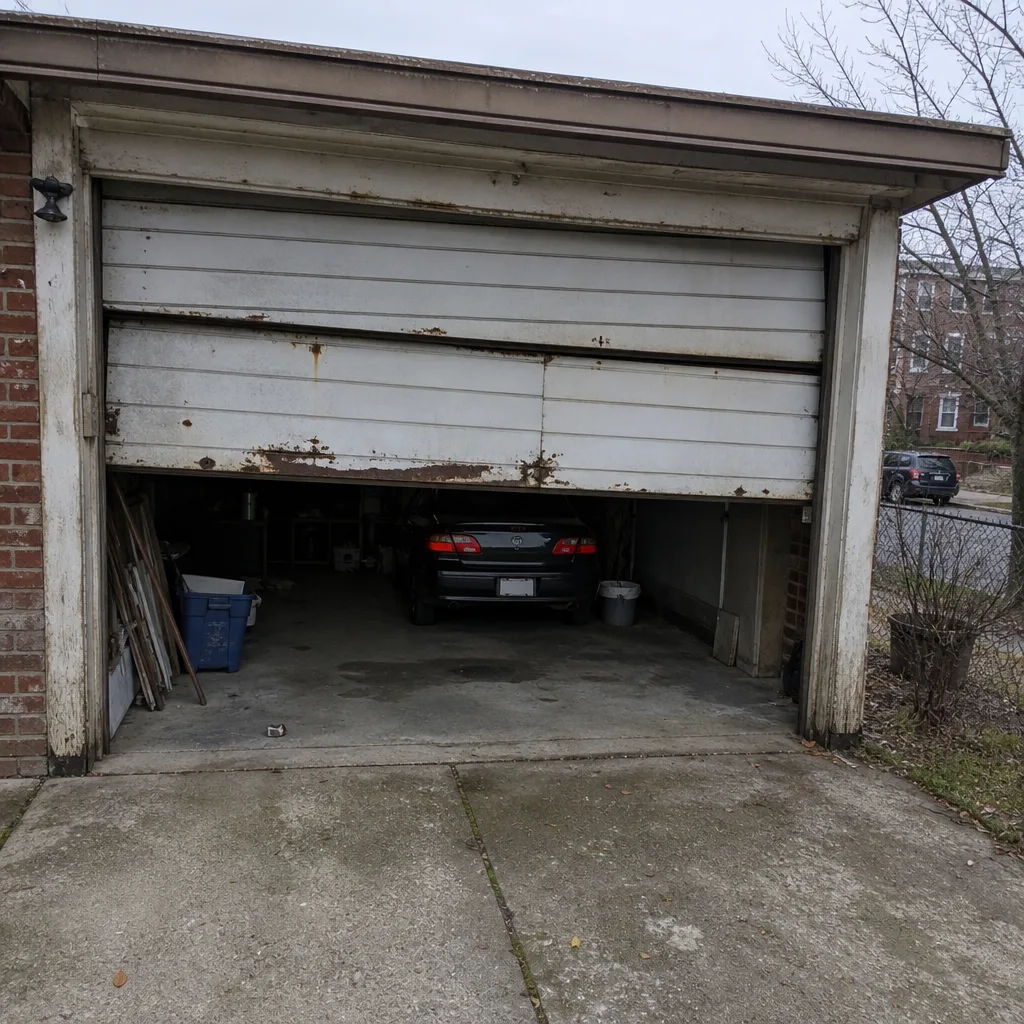 Before
 After
 Before
 After
 Before
 After