Last updated November 21, 2026
 Raised-panel steel
 Carriage house
 Modern flush
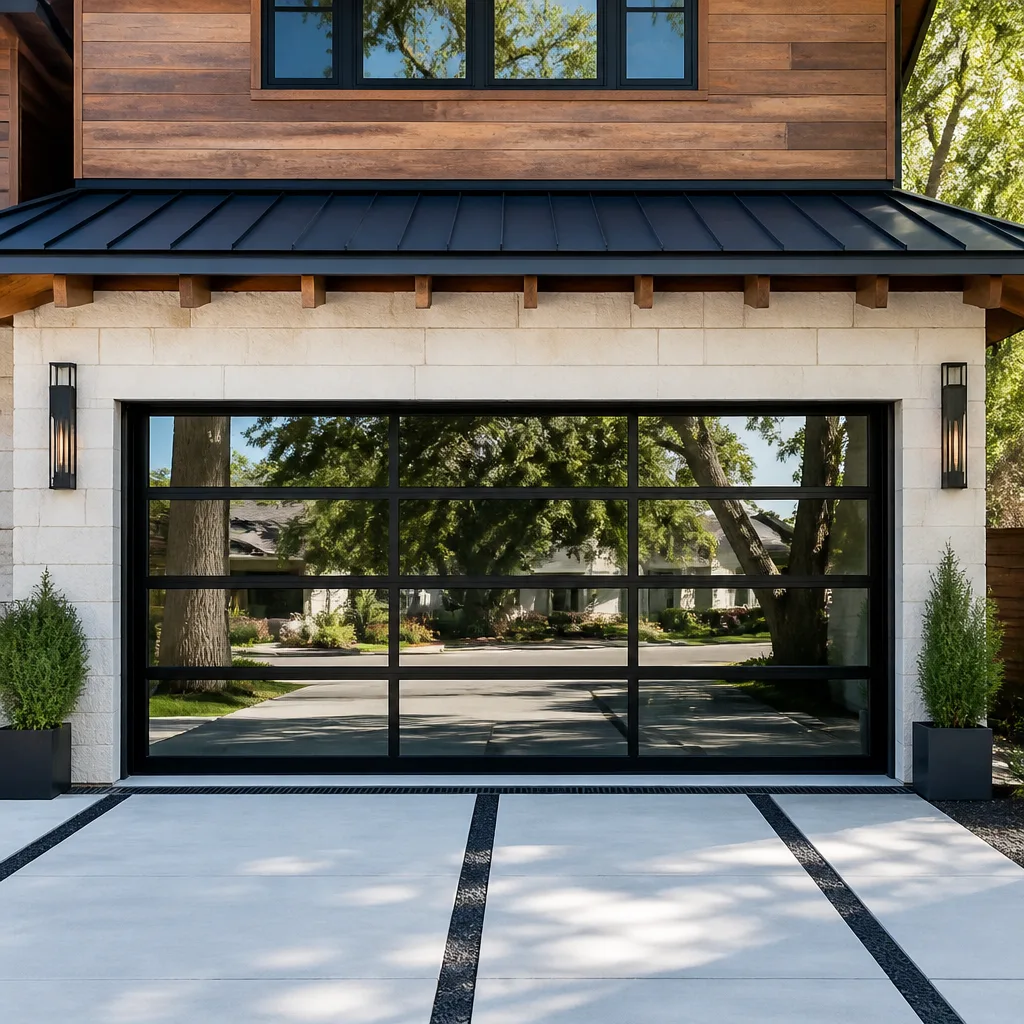 Full-view glass
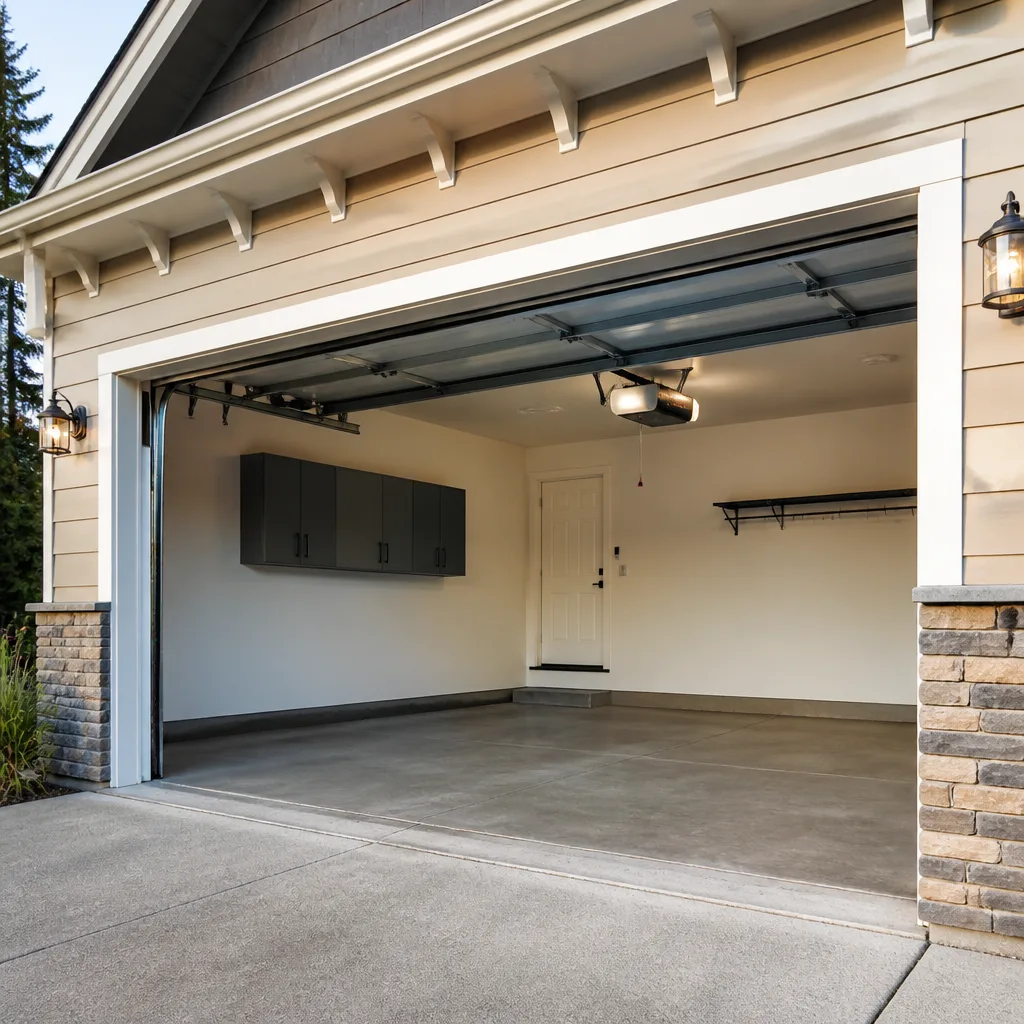 LiftMaster openers
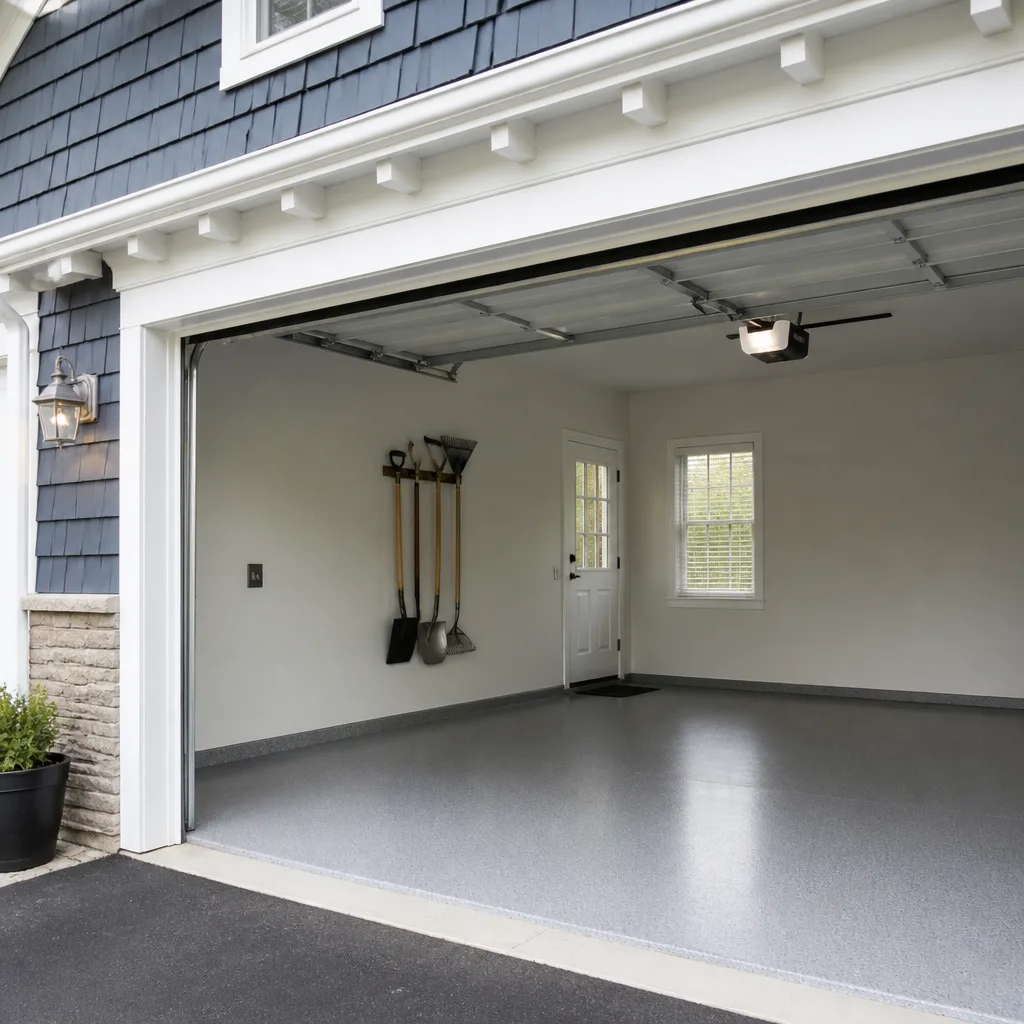 Chamberlain openers
Full 25-point door and opener safety check with every visit - springs, cables, rollers, tracks, and your LiftMaster or Chamberlain opener included
You get a price before we start. It does not change when the pro arrives.
Get your free estimateGarage Door Warning Signs: A Crown Heights Homeowner’s Reference Guide
A garage door that shudders on the way up and a garage door that jerks on the way down are two completely different problems with two completely different repair costs. Yet most homeowners describe both the same way: “it’s acting weird.” That gap between what a door does and how it gets described is where money gets wasted. In this guide, we’ll translate the sounds, motions, and visual cues a Crown Heights garage door gives you into plain mechanical language, so you can name the failing part, sort a cosmetic annoyance from a genuine hazard, and hand a technician details precise enough to get an accurate quote instead of a shrug. This is a reference, not a sales pitch. Keep reading whether you need a fix or just want to understand what your door is telling you.
Quick Answer
The most serious garage door warning signs are a snapped torsion spring (a loud bang, then the door won’t lift), a jerking or shuddering door, and any door that reverses before closing or lifts unevenly – these point to spring, cable, or track failure and need a professional. Cosmetic signs like a squeak or a scuff can usually wait. In Crown Heights, where rowhouse and detached garages see real temperature swings, spring and opener trouble shows up most often, and catching the early sounds saves the biggest repair bills.
Styles & brands we work with
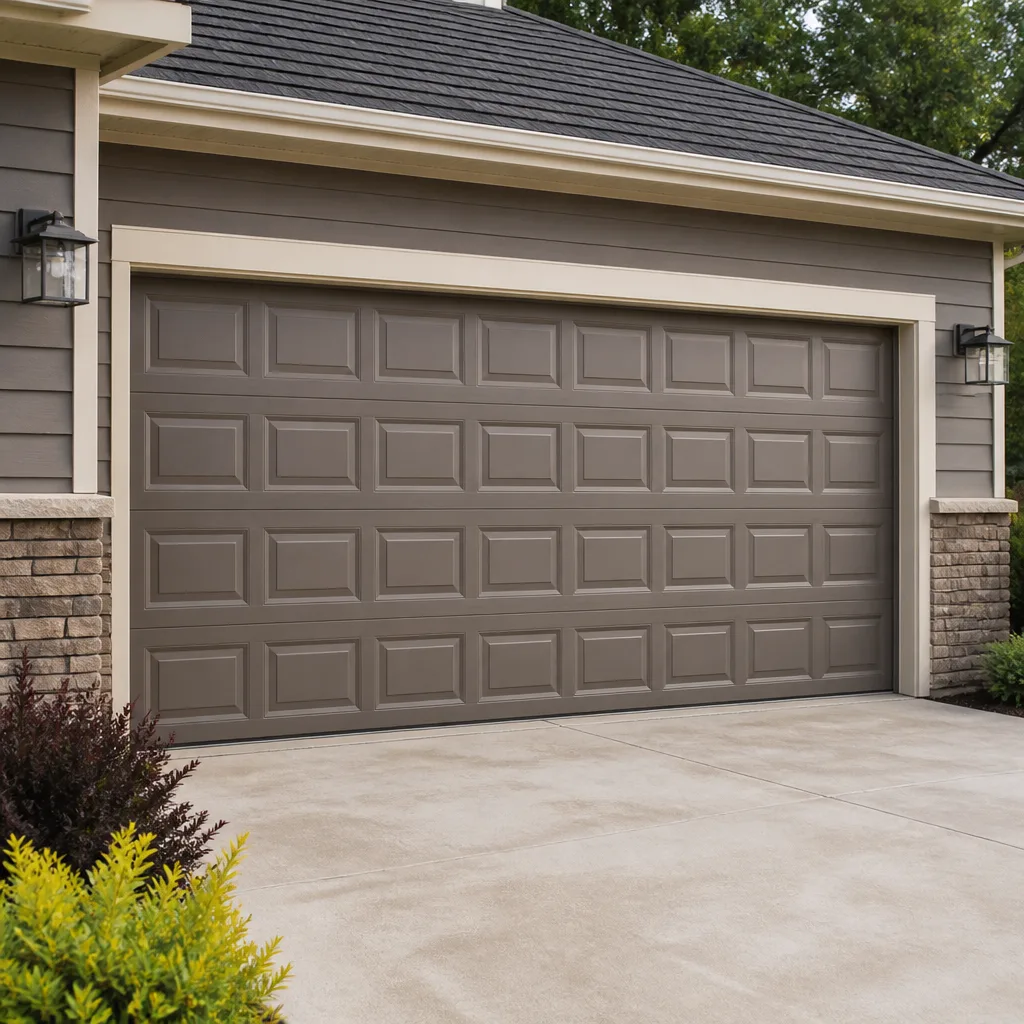
- Raised-panel steel
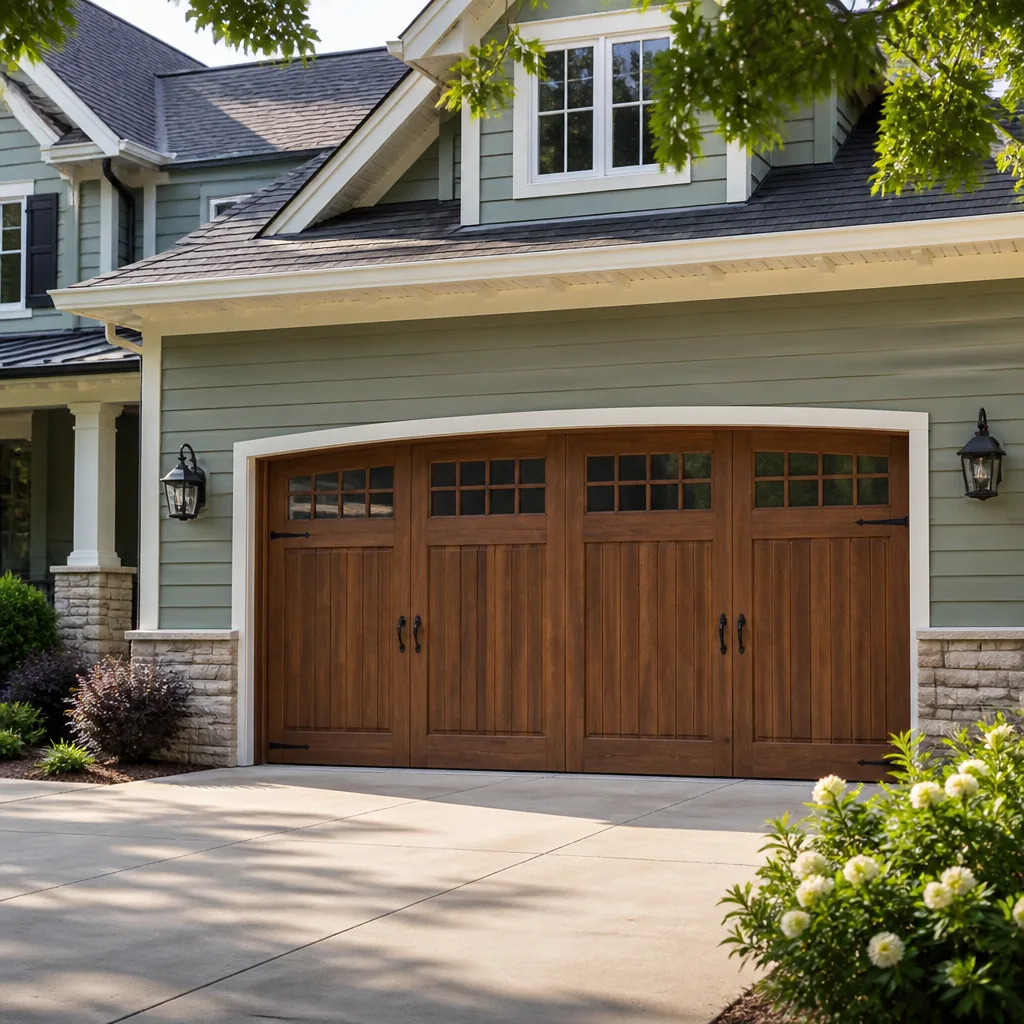
- Carriage house
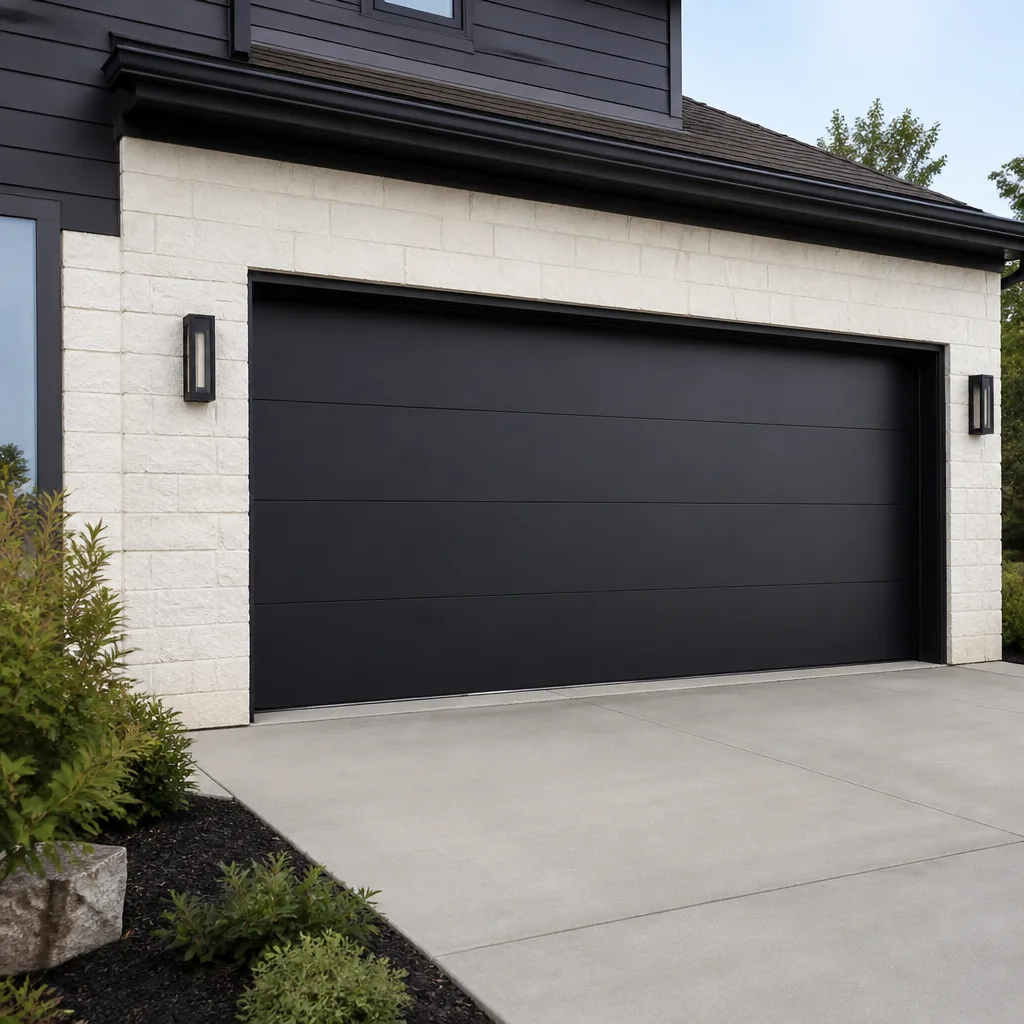
- Modern flush
- Full-view glass
- LiftMaster openers
- Chamberlain openers
Table of Contents
- What the sounds are telling you: grinding, squealing, popping, banging
- Movement warning signs: slow, uneven, jerking, reversing
- Urgent vs. cosmetic: how to triage what you’re seeing
- Opener warning signs: flashing lights, remote lag, dead wall button
- How to describe the problem so you get a precise quote
- Why springs fail first in Crown Heights (and why you don’t touch them)
- Seasonal and building-specific patterns in Crown Heights
- What the common repairs actually involve and cost
What the sounds are telling you: grinding, squealing, popping, banging
Sound is the cheapest diagnostic tool you own. A garage door is mostly steel and springs, and each noise maps to a specific component. When you can name the noise and the part, you’re halfway to a quote before anyone knocks on your door. Here’s how we read them across Crown Heights homes.
Grinding
Grinding usually means metal-on-metal contact. It often comes from dry or worn rollers, a torsion shaft lacking lubrication, or a track that’s been knocked out of alignment and is catching the roller edge. On older Crown Heights rowhouse garages, uneven settling can pull a track slightly askew, and the grinding starts slowly, then worsens over weeks. A dry grind you catch early is a lubrication and adjustment job. One you ignore long enough can wear the roller heads down and start chewing the track.
Squealing
A high-pitched squeal almost always points to a lack of lubrication or a worn bearing. Rollers, hinges, and the torsion shaft are the usual suspects. Squealing is rarely an emergency on its own, but it’s the door telling you friction is climbing, and friction wears parts. A noisy door that quiets down after a service call usually lasts far longer than one whose complaint is ignored.
Popping
A single, sharp pop – often when the door starts to move – is a strong spring signal. It can be the torsion spring slipping on its shaft, a cable jumping a drum, or a hinge plate flexing. Popping deserves attention quickly because a spring on its way out is the most dangerous failure in the system. If you hear one sharp pop and the door suddenly feels heavier or stops lifting, stop using it entirely. Don’t force it open.
Banging
A loud bang is the classic broken-spring event. When a torsion spring snaps, it releases stored energy with a report that sounds like a small explosive going off in the garage. Even if the door doesn’t move after that bang, the danger isn’t over: the door is unsupported, and a counterbalance failure can drop it. If you hear a bang and the door won’t lift, keep everyone clear, leave the door down if you can, and call for emergency service rather than trying to lift it manually.
Rattling or humming from the opener
When the noise is at the motor unit rather than the door, it’s an opener problem. A motor that hums but doesn’t move the door could be a stripped gear, a dead start capacitor, or an opener that’s simply too small for the door’s weight. We see this often on LiftMaster and Chamberlain units that have been running one door for years. If your opener’s brand is one of the big four – LiftMaster, Chamberlain, Genie, or Craftsman – the repair is usually straightforward because the parts and diagnostics are familiar.
Movement warning signs: slow, uneven, jerking, reversing
If the door moves differently than it did last year, something in the counterbalance or the travel path has changed. Motion is where you can spot trouble before it gets expensive. The pattern matters more than the speed itself – a door that’s always been a little slow is one thing; a door that suddenly slows, jerks, or reverses is another.
A slow or straining door
A door that seems to strain on the way up usually has one of three causes:
- A torsion or extension spring that’s losing tension and can’t fully counterbalance the door’s weight.
- A worn opener that’s losing torque (common on older motors).
- A door that’s out of balance, or rollers and hinges that have picked up friction from lack of oil.
If the door strains only in the last foot of travel, the opener’s force limits may need adjusting, or the door’s balance is off. Either way, the door is working harder than it should, and that’s going to wear something out.
Uneven lifting (one side higher than the other)
If the door goes up crooked, the two sides of the mechanism are no longer in sync. On a torsion-spring door, that often points to a cable problem or a track that’s shifted. On an extension-spring door, one spring may have lost tension while the other still has it. An uneven door is a real hazard because it can bind in the track or come off the rollers. Please don’t run it repeatedly trying to “clear” the binding. Have it looked at.
Jerking and shuddering
The shudder is one of the most common complaints we hear in Crown Heights – and also the most misunderstood. If the door shifts slightly, then catches, then shifts again, you’re feeling a bind in the movement path. That’s usually a track that’s out of square, a bent roller, or a worn hinge pulling the panels out of alignment. The fix can be as simple as realignment and a new set of rollers, or it can be a sign the track has moved because the building has moved. It’s not usually a spring problem on its own, but the two can arrive together.
Reversing before fully opening or closing
A door that reverses halfway up or down is responding to a safety sensor. The sensors at the bottom of the tracks are checking for obstructions, and something is blocking their view: a leaf, a snowbank, a curling concrete lip, a misaligned bracket. On a newer LiftMaster or Chamberlain opener, the logic may also trigger on a worn cable that’s flagged an imbalance. Reversing is a safety feature doing its job, not the failure – but the obstruction or imbalance still needs to be corrected. If the door reverses even with nothing in the way, stop using the remote and get the sensors and travel limits checked.
If the movement issue turns into a repair you need handled, that’s exactly what garage door repair covers – tracking down the failing part and restoring the door to correct operation.
Urgent vs. cosmetic: how to triage what you’re seeing
Reference guides lose their usefulness if everything is described as an emergency. So here’s the honest sorting we’d give a neighbor. Some signs mean call today. Some mean put it on the list. The line between them is usually about safety and weight, not appearance.
Treat as urgent (stop using the door, call today)
- A loud bang followed by a door that won’t lift. That’s a broken spring. The door is unsupported and dangerous to lift.
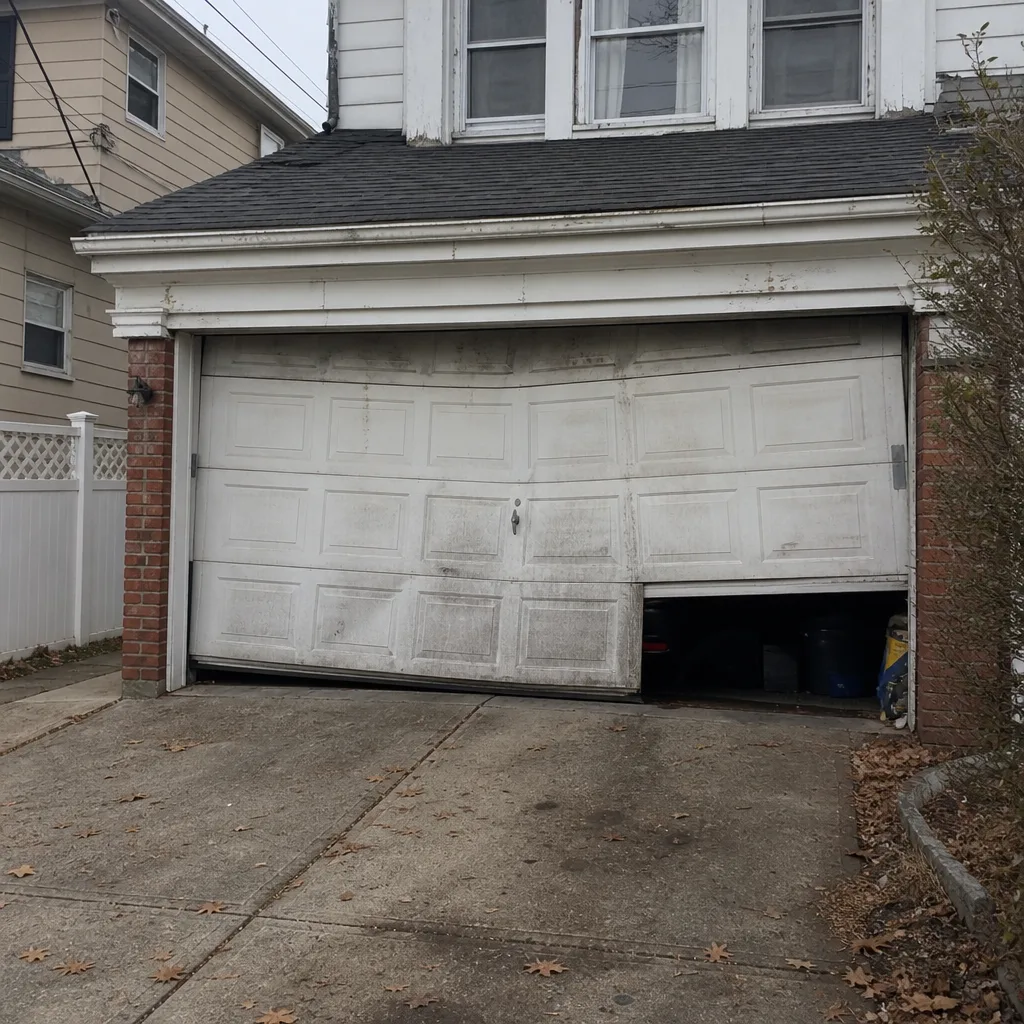
- A door hanging crooked or visibly off one track. It can drop or come off the rollers.
- Any door that free-falls when you disengage the opener. The counterbalance is compromised.
- Cable hanging loose or wrapped in a bird’s nest on one drum. Cables are under high tension; don’t touch them.
- A door that reverses on the way down even with nothing in the path. Safety sensor or travel limit failure.
- A door that won’t close at all – your garage is standing open. Emergency service exists for exactly this.
Own the risk factor
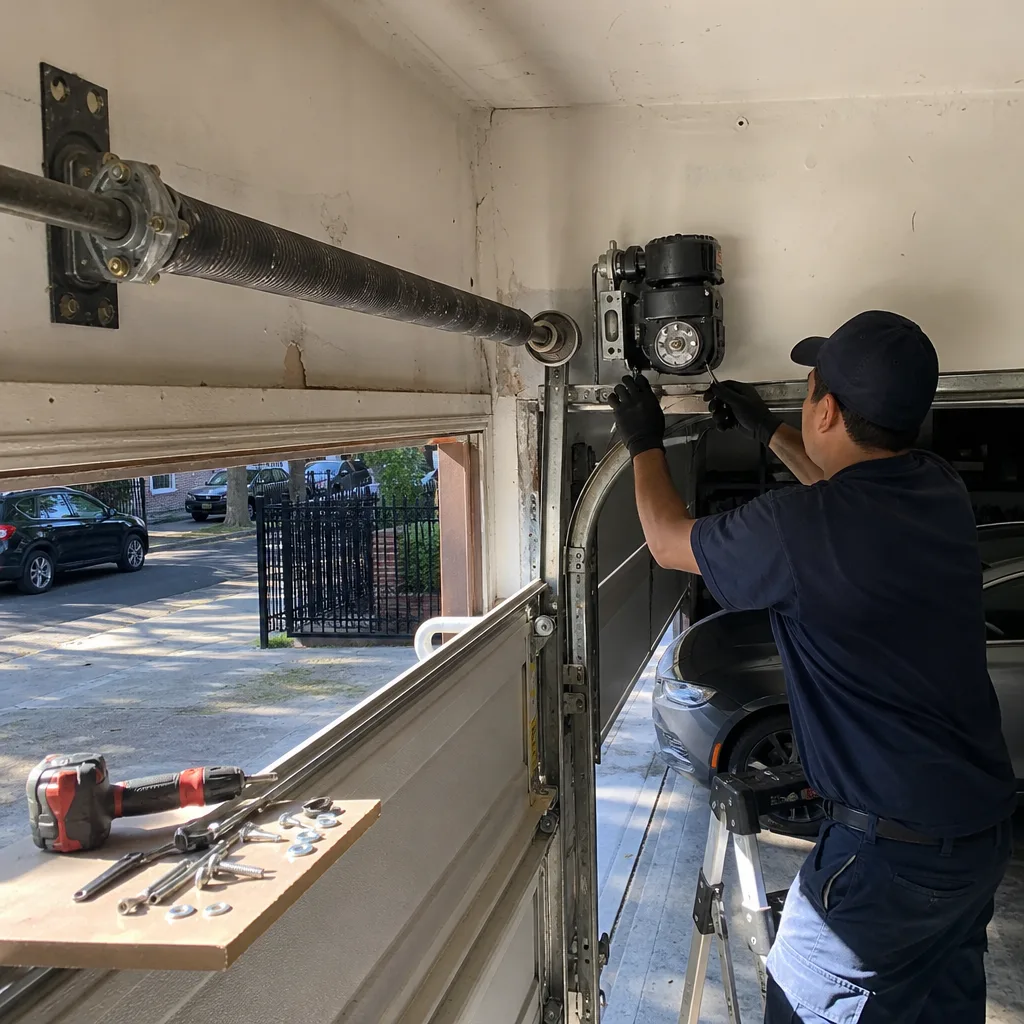
Springs, cables, and drums are the parts that store or transfer mechanical energy. That energy can release without warning. We handle spring repair daily, and it’s still the repair we approach most carefully, because a spring under load can hurt someone badly. If your symptom is “the door won’t lift,” “there’s a bang,” or “something’s hanging loose,” leave it for a technician. This is the one garage door thing we’d tell anyone not to DIY.
Watch and plan (cosmetic or low-risk)
- A squeak, a light grind, or a slightly noisy operation that hasn’t changed the door’s behavior.
- Faded paint, dents on a panel, or a scuffed bottom seal.
- A remote that occasionally needs a second press, when the wall button still works fine.
- A decorative hinge or handle that’s loose.
None of these are urgent. But each is worth a note, because the small signs become big ones. Write down what you hear and when.
Opener warning signs: flashing lights, remote lag, dead wall button
Openers are their own diagnostic universe. The door mechanism can be perfectly healthy while the opener is misbehaving, and the confusion between the two is where homeowners get talked into the wrong repair. The first question a technician should ask: does the door move smoothly when you release the opener and move it by hand? If yes, the door is fine and the opener is the issue.
Flashing lights
Flashing lights are the opener’s way of telling you its sensor logic has tripped. Often it’s a misaligned sensor lens or a dirty eye. Sometimes it’s a wire that’s been nicked by a mower or a pet. On a Chamberlain or Genie unit, the flash pattern itself can hint at what the motor is objecting to, which is why a technician familiar with your brand saves time. A light that flashes when the door is trying to close almost always points to the safety beam, not the motor.
Remote lag or intermittent response
If your remote works only when you’re very close, or only after a second press, the culprit is rarely the opener’s brain. It’s more often a tired remote battery, a weak range on older radio technology, or interference from something as ordinary as a recent electronics upgrade nearby. Swapping the remote battery and testing the wall button gives you a fast answer. If the wall button is instant and the remote lags, the door is fine and the problem is on the remote side.
Dead wall button
A wall button that doesn’t respond – while the remote still does – usually points to a wiring or logic problem at the control panel. If both the remote and the wall button are dead, suspect power to the opener or a blown logic board. Those cases are usually a same-visit opener fix, not a door fix.
Motor runs, door doesn’t move
You hear the motor, the chain or belt moves, but the door stays put. That’s often a disengaged emergency release (someone pulled the red cord), a stripped carriage gear, or a drive assembly that’s given up. Some of these are quick fixes, others need part replacement. The important thing is not to assume the worst. A technician can usually tell in the first five minutes which it is.
When the symptom is clearly on the motor and electronics side, that’s a job for garage door opener repair. We work on the mainstream opener brands, so whatever’s already on your home gets serviced on its own terms.
How to describe the problem so you get a precise quote
The single best way to protect yourself from an inflated bill is to give a precise description up front. Vague descriptions force a technician to quote high because they don’t know what they’ll find. Accurate descriptions let them quote tighter. Here’s the script we’d suggest. Keep it to these details and a good technician can tell you a lot before anyone arrives.
- Name the sound. “It grinds,” “it squeals,” “it pops once,” or “it banged and stopped.” Pick the closest word. Don’t round them all to “it’s loud.”
- Say when it happens. On the way up, on the way down, at the start, at the end, or at one particular spot. Timing is a clue.
- Describe movement in behavior terms. “It goes up crooked,” “it reverses halfway down,” “it jerks near the top,” or “it won’t lift at all.”
- Name the opener brand if you can. LiftMaster, Chamberlain, Genie, and Craftsman are the ones we hear most, and knowing the brand helps set expectations for parts.
- Try the wall button. If the wall button works and the remote doesn’t, say so. It’s a different repair.
- Release the opener and try lifting by hand, carefully. If the door moves easily by hand, the door is probably OK and the problem is on the motor side. If it’s heavy or won’t budge, the counterbalance is likely the issue. (If at any point the door feels unsafe to lift, stop and don’t force it.)
- Say what’s new. “It started after the cold snap,” “it started after a hard rain,” or “it’s been getting slower for a month.” Recent changes narrow the diagnosis.
This is the language a technician wants. When you can offer it, the estimate you get is closer to the actual job. That’s also why we say our technicians have up to 15 years of experience: the diagnosis is usually fast because the pattern is familiar.
Why springs fail first in Crown Heights (and why you don’t touch them)
Garage door springs are the workhorses of the whole system. They carry hundreds of pounds of door weight, and they’re designed to cycle a finite number of times. Every opening and closing uses up a little of their life. In Crown Heights, spring failures tend to announce themselves with the seasonal cycles, and a spring that’s ready to go usually gives a few small hints first: a sluggish door, a pop as it starts, sometimes a door that hangs slightly after lifting. Then it snaps.
What happens at the failure point
When a torsion spring breaks, it doesn’t gently deform. It releases its energy in a fraction of a second, which is why the sound is so surprising. The door loses its counterbalance and becomes extremely heavy – more than a person can reasonably lift. If the door happens to be open at that moment, it can drop. If it’s closed, it may not open, and the cable on one side may go slack and jump the drum.
Why this is not a homeowner job
Spring repair requires controlled release of stored tension using the right winding bars, correct spring matching, and knowledge of the door’s weight. A spring that’s improperly released can strike the person holding the winding bar with enough force to cause serious injury. Please don’t attempt it. We say this with professional caution, not drama. Spring repair is what we do routinely, and even for us, it’s a careful job every time. What you can do: keep your hands off springs and cables, and call.
One spring or two?
Many Crown Heights garage doors use a pair of torsion springs. If one breaks, many technicians recommend replacing both at the same time, because a matched pair that wore at the same rate will usually fail close together. Expect that question, and know that the answer depends on the door’s weight and configuration. If you’re replacing a single-spring system with a matched pair, that’s a design improvement, not an upsell. A good technician will explain which you have.
Spring replacement, not spring “tuning”
If someone tells you the spring can be “tightened” as a long-term fix, be cautious. Torsion springs are set to specific amounts of tension for the door’s weight. Twisting them further to compensate for a weakening spring is a short-term patch that wears the spring out faster. The right answer is a properly matched replacement.
For the full scope of what a spring job involves, or if your door is doing any of the spring-failure symptoms described above, see garage door repair Crown Heights.
Seasonal and building-specific patterns in Crown Heights
Garage doors in Crown Heights live in buildings that were built over a wide span of decades, and the physics of the door shows it. Weather swings, old framing, and the way rowhouse garages sit against their neighbors all shape which symptoms appear when. This isn’t climate trivia; it’s a practical filter for which warning sign is worth acting on right now.
Temperature swings and the counterbalance
Cold contracts steel and changes the tension in springs. A door that operated quietly in warm weather can start to feel heavy, slow, or noisy when the temperature drops sharply. Those “new this month” sounds often show up after a cold snap. The same door can quiet down as weather moderates, which fools people into thinking it self-healed. The spring didn’t get better; it got a break. Catch the change in behavior and it’s easier to fix earlier.
Building movement and track alignment
Older rowhouse garages often have doors that share walls, ceilings, and framing with the buildings behind them. Ground movement and settle can gently shift the track over years, so a track that was aligned a decade ago may now be slightly out of square. That’s where the grinding, uneven lifting, and shudder come from in many Crown Heights homes. The door is fine; the path it travels is not.
Humidity and hardware
Humidity levels in Crown Heights shift through the year, and steel that’s exposed to that cycle shows it. Hinges, rollers, and bearings that ran quiet in dry conditions can start to squeak or bind when the air is heavy. That’s where routine lubrication goes a long way.
Newer openers on older doors
When a homeowner replaces an opener without addressing the door’s balance, the new opener gets blamed for problems that were already there. A modern Chamberlain or LiftMaster opener is stronger and smarter than the unit it replaces, and its safety logic will flag a door that’s out of balance by reversing or reporting an obstruction. If your new opener “reverses for no reason,” the door may be the actual issue.
What the common repairs actually involve and cost
So what does it cost to fix what the symptoms are pointing to? The range varies by door configuration and part, but we can give you the honest shape of the job and the estimate sequence that protects you. We quote every job before any work starts, and you approve the price in writing. If the written estimate says a number, that’s the price. No surprise add-ons after the fact.
Typical repair categories
- Rollers, hinges, and lubrication: the everyday tune-up. Usually the lowest-cost repair, and often the one that clears up grinding and squealing.
- Track realignment: clears jerking, uneven lifting, and binding. The cost depends on how much adjustment and how many new rollers the track needs.
- Cable replacement: both cables are usually replaced together, since they’ve shared the same wear.
- Spring replacement: one spring, or a matched pair. Higher than a general tune-up, because the work is careful, time-bound, and safety-critical.
- Opener repair: ranges from a quick sensor fix to replacing a gear assembly or logic board.
- New door installation: a project, not a repair. Measured, ordered, scheduled.
What the estimate sequence should look like
- Phone conversation: describe the sound and behavior. You’ll get a range for what’s likely.
- On-site look: test the balance, lift the door by hand, check the springs, cables, tracks, and opener.
- Written quote: a specific itemized estimate, in writing, with parts and labor.
- Approval before work: nothing starts until you say go.
- Walk-through after: a demonstration that the door operates the way it should.
The written quote is the price. If the technician finds something unexpected, that’s a conversation, not an automatic upcharge, and you approve the change before any additional work.
When replacement is the better answer
Sometimes the door is too far gone – a badly bent panel, a track that’s beyond repair, a door of a vintage that no longer takes standard replacement parts. When it comes time to replace, the decision should be brand-informed rather than one-size. Clopay and Amarr offer a wide range of residential styles, and we can walk you through the options that match your opening, your building, and your taste. Installation is measured and scheduled, not same-day, so plan for a brief wait while the door is ordered and delivered. That’s a job for garage door installation, and it’s a different conversation from a repair.
Common Mistakes to Avoid
- Forcing a door that won’t open. If the door won’t lift, the counterbalance has likely failed. Pulling or prying at it can drop the door or damage the panels. Stop and call.
- Buying an opener to fix a door that’s out of balance. A new opener masks a spring or alignment problem for a short time and then fails too. Diagnose the door first, then the opener.
- Ignoring a pop. The single pop is the warning before the bang. Get it looked at when the door is still opening.
- Assuming a slow door is just “an old door.” A door that’s slower than it was last year is telling you the counterbalance is changing. That’s a fixable problem now.
- Disconnecting the opener and lifting by hand before you know the balance. A door with a broken spring can suddenly drop or feel far heavier than expected. If you’re going to disengage, first confirm with someone who’s checked the balance.
- Oiling the springs and cables. A technician lubricates the moving parts (rollers, hinges, bearings) appropriately. Springs and cables aren’t the parts to spray; leave the system hardware alone.
- Settling for a “we’ll see when we get there” quote. In Crown Heights, most jobs are common enough that a technician can give a range on the phone and itemize on-site. If nobody will say what the likely price range is, that’s a diagnostic problem.
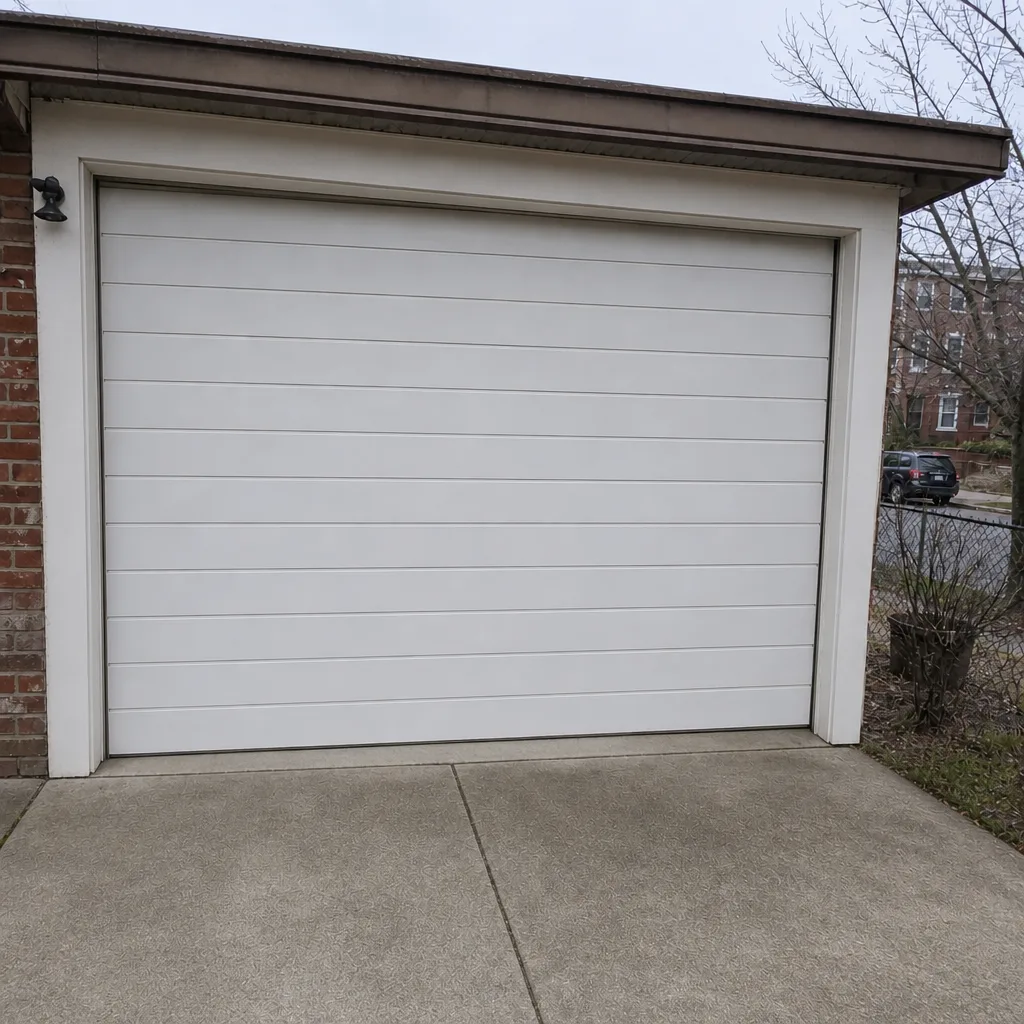
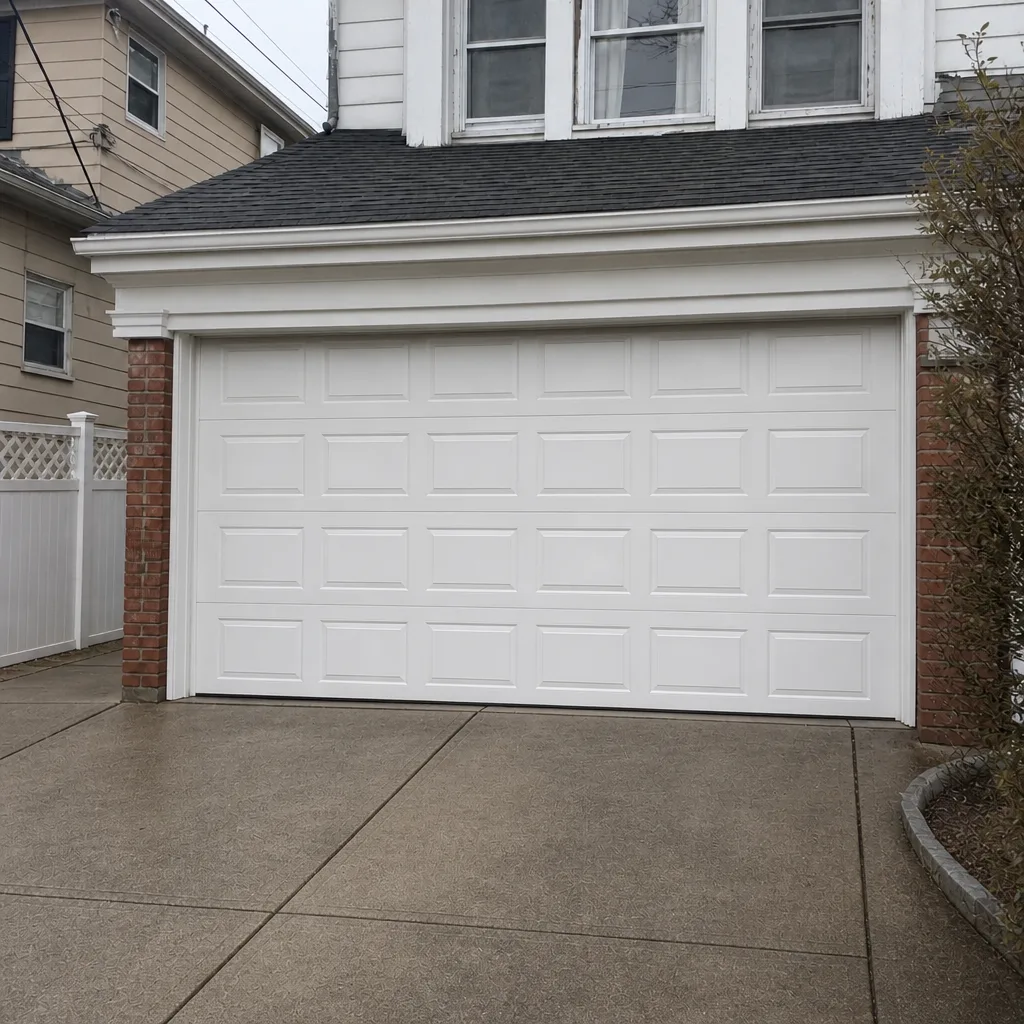
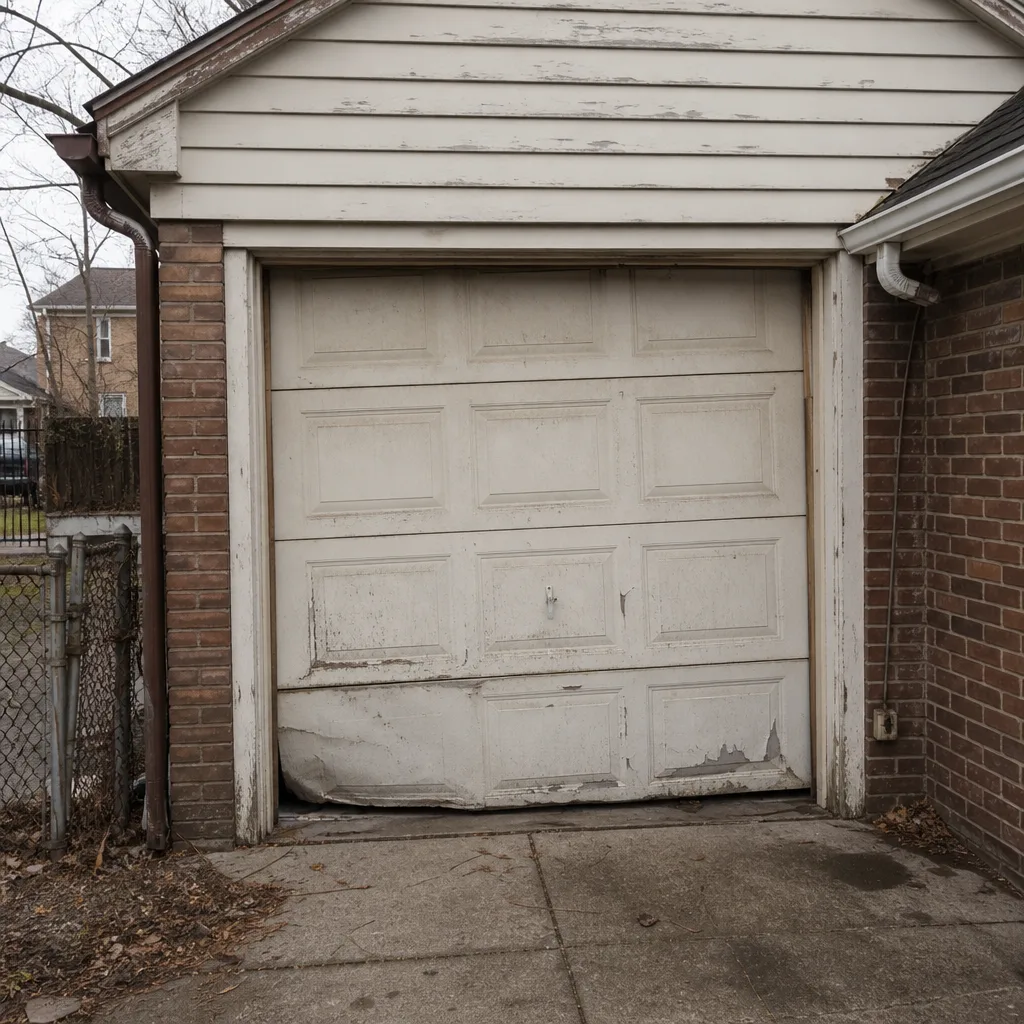
See the difference
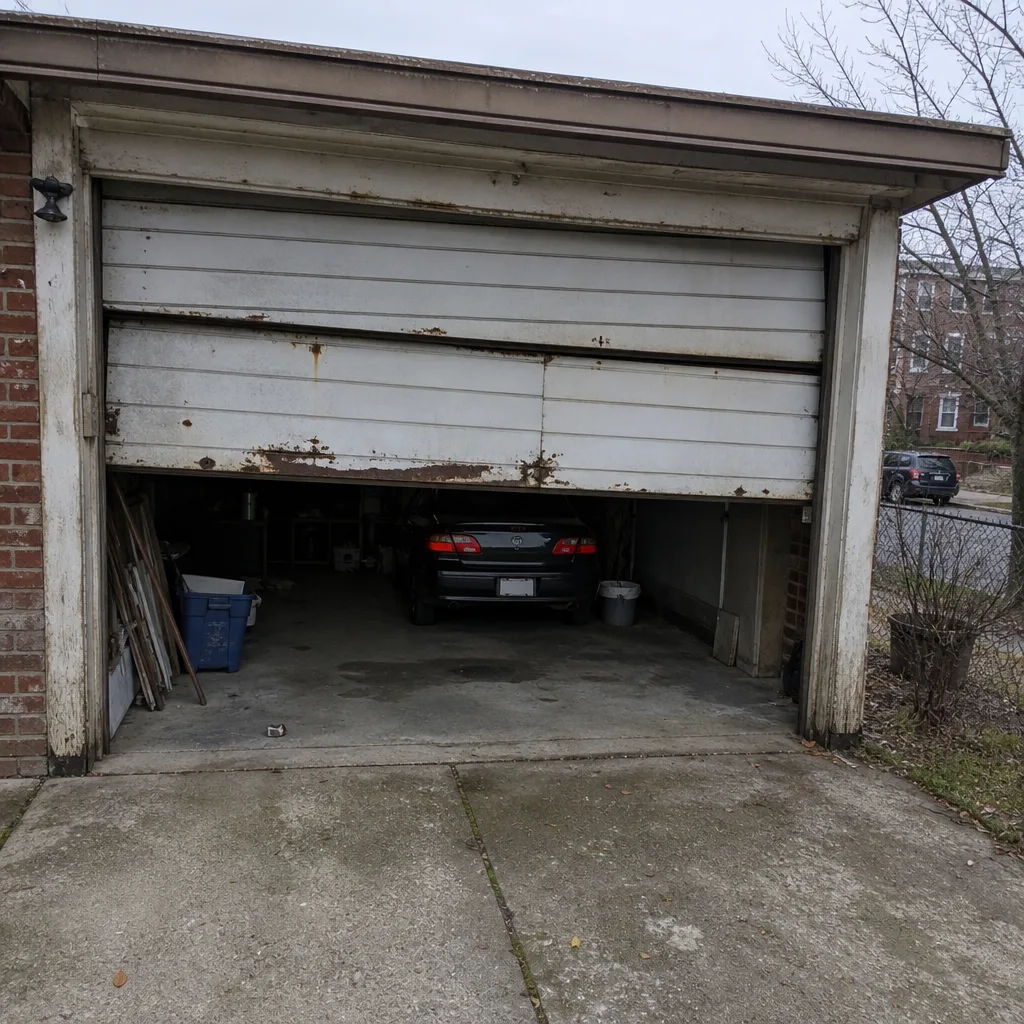 Before
 After
 Before
 After
 Before
 After
When to Call a Professional
Call for a professional when any of these are true: the door won’t lift, the door hangs crooked, something banged and the door stopped moving, the door reverses with nothing in its path, a cable looks slack or tangled, or your garage won’t stay closed. Those are the situations where a same-day visit matters; a garage that won’t seal is a security problem, not a scheduling matter. Emergency garage door service is a standing part of what we do, so a failed spring or a stuck door doesn’t have to wait for a later appointment. For the less urgent signs – grinding, squealing, remote lag, slow operation – a scheduled visit is the right pace, and the door will thank you. Garage Door Repair Crown Heights offers free estimates in Crown Heights. Call (833) 721-7259 to get a range and a scheduled visit, and remember: the price is quoted and agreed before any work begins.
Frequently Asked Questions
A loud bang followed by a door that won’t lift is the most serious warning sign, because it usually means a torsion spring has broken and the door has lost its counterbalance. A door in that state is extremely heavy and can drop, so keep everyone clear and call for emergency service rather than trying to lift it. The second-most serious is a door that hangs crooked or a cable that’s visibly slack or tangled.
Spring repair is one of the higher-cost routine garage door repairs because of the safety-critical nature and the controlled release work required. The exact price depends on whether your door uses one spring or a matched pair and on the door’s weight, so the honest answer comes from an on-site check. Call (833) 721-7259 for a free estimate – estimates are free, and the written quote is the price.
Yes, for situations that can’t wait – a broken spring, a door stuck open, or a door that won’t close and leaves the garage exposed. Emergency garage door service is a service we offer routinely. Describe the sound and behavior when you call, and we’ll match the urgency to the right response.
A door that reverses with nothing in its path is a safety logic issue, not an emergency in itself – but it means your garage won’t stay closed, which is a security problem. Check the sensors at the bottom of the tracks first for a leaf, snow, or misaligned bracket. If the beam is clear and the door still reverses, it’s worth a visit, but you don’t have to panic. It’s usually a sensor or travel limit fix.
Flashing lights usually mean the opener’s safety sensors aren’t seeing each other. Clean each sensor lens, check for obstructions, and check that the brackets are aligned. On a LiftMaster, Chamberlain, Genie, or Craftsman opener, this is one of the most common calls we get, and it’s rarely a motor problem. If clearing the obstruction doesn’t fix it, call (833) 721-7259 for a quick check.
The local professionals we connect you with are licensed and insured as their state requires, and they’re experienced in the full range of repairs, from spring and cable work to opener diagnostics. If you have questions about credentials, ask when you call – it’s a fair question. Call (833) 721-7259 for a free estimate.
The Bottom Line
Your garage door is communicating. A pop is a spring warning. A bang is a spring failure. A shudder or uneven lift points to track or alignment. Grinding and squealing mean friction and wear. Reversing and flashing lights are the safety logic telling you the sensors or limits need attention. A remote lag is usually the remote, not the motor. The trick is to describe what you see and hear in behavior terms, then ask for a range before anyone comes out. Catch the small symptoms in Crown Heights and you avoid most of the big bills. And when a cable is slack, a spring has banged, or the door hangs crooked, leave it closed and call a professional.
If anything in this guide describes your door, we’re ready to help. Call (833) 721-7259 for a free estimate, and we’ll get you a clear answer about what your door is telling you.
Written by the team at Garage Door Repair Crown Heights.