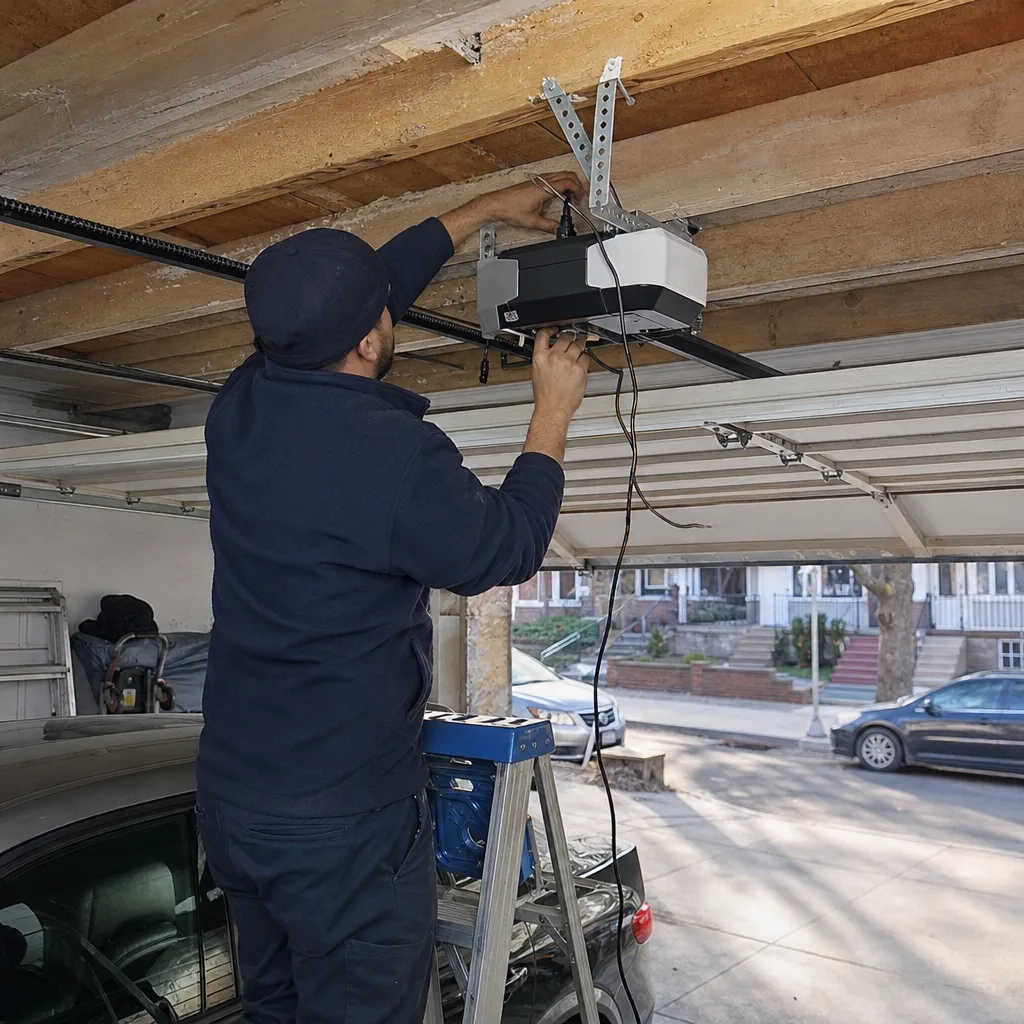
Last updated November 21, 2026
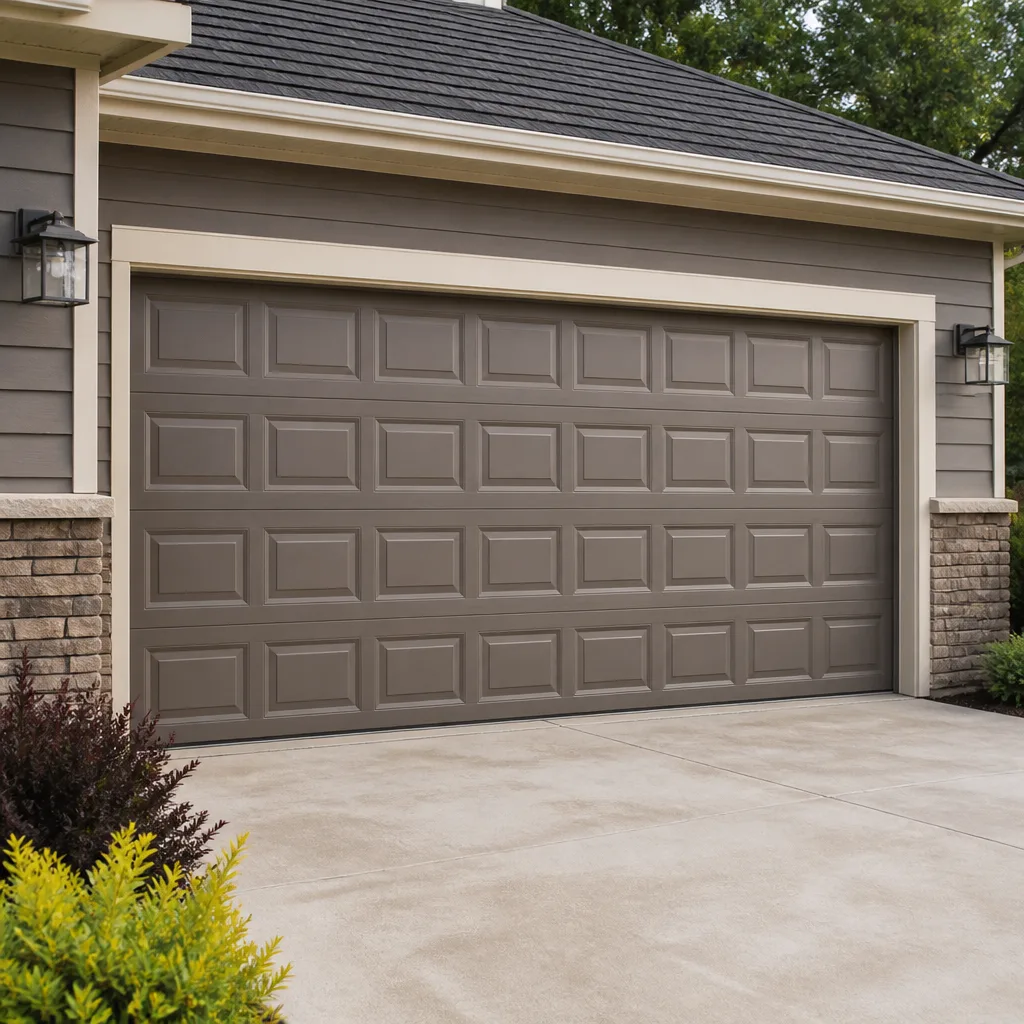 Raised-panel steel
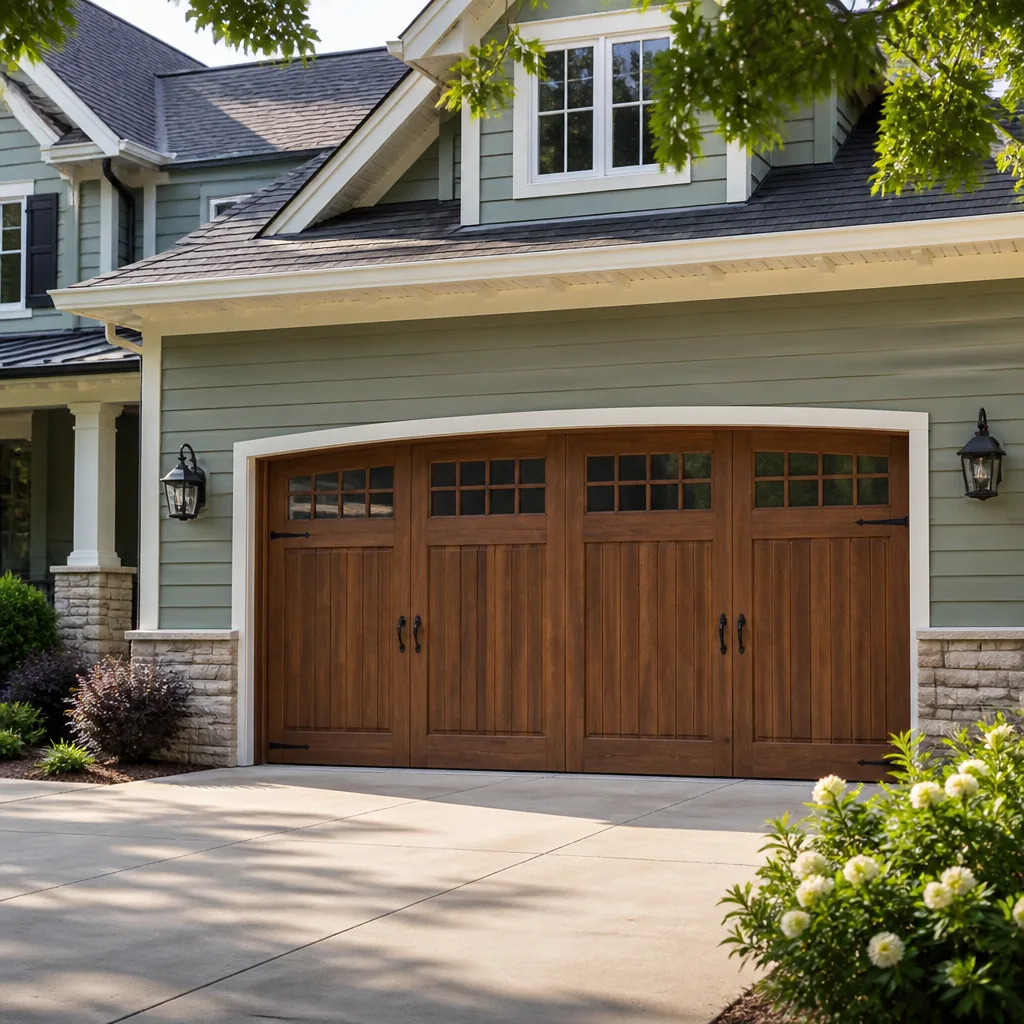 Carriage house
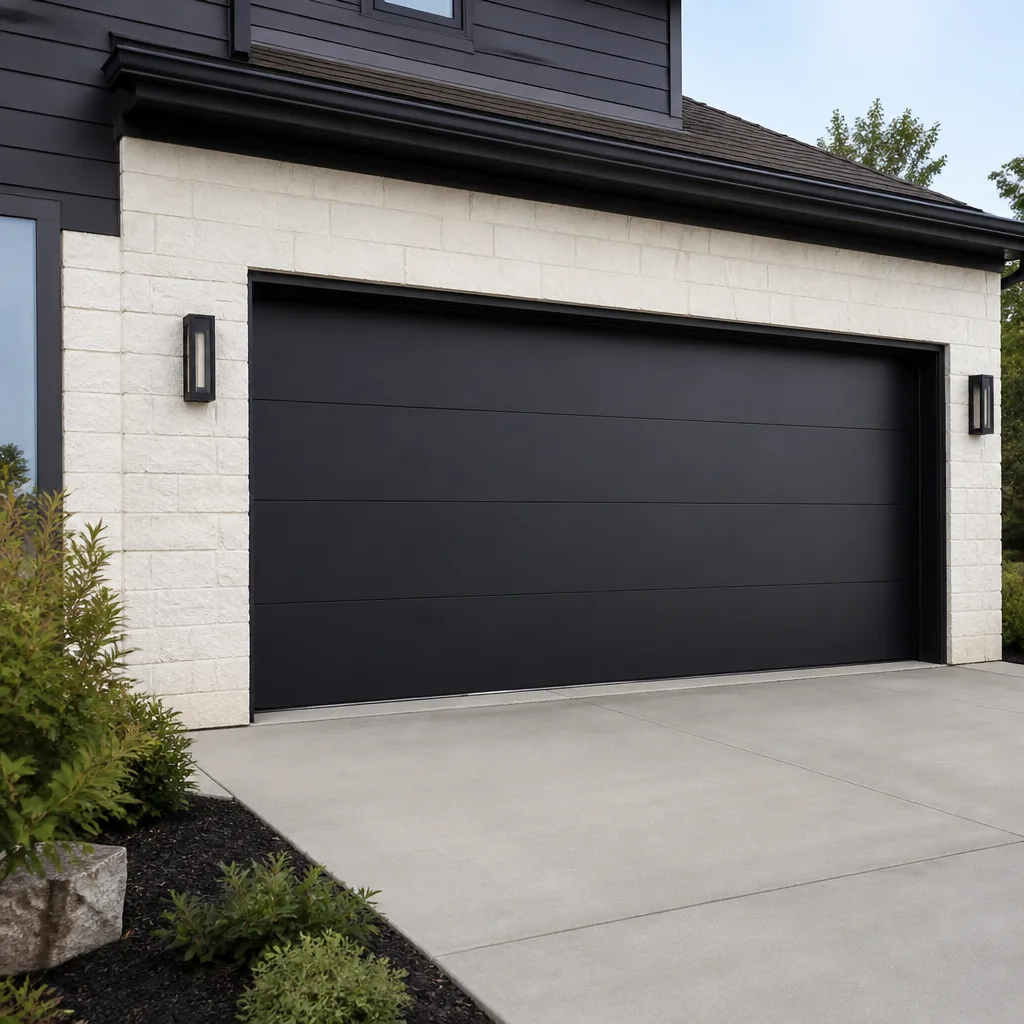 Modern flush
 Full-view glass
 LiftMaster openers
 Chamberlain openers
Full 25-point door and opener safety check with every visit - springs, cables, rollers, tracks, and your LiftMaster or Chamberlain opener included
You get a price before we start. It does not change when the pro arrives.
Get your free estimateHow to Hire a Garage Door Contractor in Crown Heights: A Step-by-Step Guide
Most people hire a garage door contractor the way they hire a plumber: something breaks, they search, they call the first number that answers, and they hope. That approach works for a clogged drain. It doesn’t work for a torsion spring under several hundred pounds of tension or a door that won’t close on a Brooklyn block at night. The harder truth is that a large share of “garage door repair” listings you’ll find online are general handymen who subcontract the actual work, which means the person who shows up may have never met the person who gave you the quote. This guide gives you a screening framework: the questions to ask, the paperwork to verify, and the red flags that tell you to keep looking.
Quick Answer
To hire a garage door contractor in Crown Heights safely, verify the contractor’s New York City Home Improvement Contractor (HIC) license number before anyone touches your door, ask five screening questions that separate a garage door specialist from a generalist, and insist on a written estimate that itemizes parts, labor, and warranty. Price alone is the weakest filter. Scope, parts sourcing, and emergency coverage matter more, and a quote that won’t specify them is a quote you can’t compare.
Styles & brands we work with
- Raised-panel steel
- Carriage house
- Modern flush
- Full-view glass
- LiftMaster openers
- Chamberlain openers
Table of Contents
- How do you tell a garage door specialist from a generalist?
- How do you verify an HIC license in Crown Heights?
- What must a written estimate include in New York?
- What red flags matter most in Crown Heights?
- How do you compare quotes without price being the only filter?
- Why is spring repair the real test of a contractor?
- What should you never attempt yourself?
- What does the hiring process look like, step by step?
How do you tell a garage door specialist from a generalist?
You tell them apart with five questions, and the shape of the answer matters as much as the content. A specialist answers immediately and specifically. A generalist hedges, promises to “find out,” or gives an answer that could apply to any home repair.
Here are the five questions, and what a good answer sounds like:
- “What brand and model is my door and my opener?” A specialist wants to know before quoting. Expect a follow-up about the door’s material, the spring type, and whether the opener is a belt, chain, or screw drive. A generalist asks only whether it opens.
- “Do you carry the parts for this system, or do you order them?” A real garage door professional knows which parts are standard stock and which need ordering, and will say so plainly. Vague answers about “having what we need” mean they’ll improvise at your house.
- “Who actually does the work, you or a subcontractor?” The answer should be direct. If the person quoting is not the person working, you have no idea what training is behind the wrench.
- “Can you handle the door and the opener in one visit?” Failures often overlap: a bent track strains the opener, and a tired spring makes the motor work harder. One visit should cover both the mechanical and electronic sides.
- “What’s your emergency coverage?” A garage that won’t close is a security issue the same day it happens. A specialist has a standing answer. A generalist schedules you for next week.
Ask these before you talk money. The answers tell you whether the quote you’re about to receive is worth comparing to anything.
How do you verify an HIC license in Crown Heights?
New York City requires home improvement contractors to hold a Home Improvement Contractor license, and you can check it yourself before anyone touches your door. The licensing body is the NYC Department of Consumer and Worker Protection (DCWP). Ask for the HIC license number in writing, then look it up through the DCWP’s online license lookup. Don’t accept a photo of a card or a verbal number. Verify it yourself.
What to confirm once you’re on the lookup:
- The license is active, not expired or suspended.
- The business name on the license matches the name on your estimate.
- The license covers home improvement work, which is the category garage door repair and installation fall under in New York City.
Two additional things worth asking for: proof of general liability insurance and workers’ compensation coverage. A contractor doing work at your home should be able to produce a certificate of insurance naming the coverage and the policy period. If a contractor can’t produce these documents, that’s your answer. Move on.
This step matters more in Crown Heights than people expect, because the neighborhood has a mix of owner-occupied brownstones, multi-family buildings, and newer construction, and the person knocking on your door after a storm is not necessarily licensed to work on any of them. A contractor who resists showing documentation is telling you something useful. Believe it.
What must a written estimate include in New York?
A legitimate written estimate in New York State should itemize the work, the parts, the labor, and the terms, and it should be on paper before any work begins. New York’s home improvement rules require a written contract for home improvement jobs above a certain dollar threshold, and while the threshold and exact required disclosures are set by state and city law, the practical standard is simple: if it isn’t written down and signed, it isn’t agreed.
A complete estimate for garage door work includes:
- Parts by name and specification. “Spring replacement” is not enough. You want the spring type, the wire gauge, and whether it’s one spring or a matched pair.
- Labor separated from parts. Bundled pricing hides what you’re actually paying for and makes comparison impossible.
- Permit responsibility. Most cities require a permit for certain structural or electrical work, so ask who pulls it. Say so plainly in the estimate.
- Warranty terms. Parts warranty length, labor warranty length, and what voids either one.
- Payment schedule and total. The final number, in writing, with any deposit terms stated.
- Disposal. Who removes the old door, springs, or opener, and whether that’s included.
Missing line items are signals. An estimate with no parts specification means the contractor plans to decide at your house. An estimate with no warranty language means there isn’t one. An estimate with no disposal line means you may be looking at the old door in your driveway for a while.
When we quote a job, the price is agreed before any work starts. That’s the standard to hold any contractor to, in Crown Heights or anywhere else.
What red flags matter most in Crown Heights?
The red flags that matter most in Crown Heights are the ones that show a contractor doesn’t know the local housing stock. This neighborhood has a lot of older homes with original or decades-old door frames, and a contractor who can’t talk about parts availability for older frames is a contractor who will improvise. Here’s what to watch for:
- Can’t quote parts availability for older door frames. If your door predates the current standard sizes, replacement parts need to be sourced, not assumed. Ask how they’ll handle it. A specialist has an answer. A generalist says “we’ll figure it out.”
- Won’t confirm same-day emergency coverage. If the answer to “what happens if my door won’t close tonight?” is a shrug, that’s your emergency plan: nothing.
- Quotes from a price sheet they printed that morning. Garage door pricing depends on door weight, spring type, and opener model. A flat price sheet means the number will move once they see the job.
- No license number on the estimate. In New York City, this is basic. Its absence tells you the contractor either isn’t licensed or doesn’t want you checking.
- Pressure to decide on the spot. Garage door work is not an impulse purchase. A contractor who needs an answer in five minutes needs it for their reasons, not yours.
- Can’t name the brands they service. If they can’t tell you which opener brands they work on, they probably work on whatever shows up.
- Won’t put the warranty in writing. Verbal warranties evaporate the moment the invoice is paid.
None of these alone is disqualifying. Two or three together is a pattern, and the pattern is the point.
How do you compare quotes without price being the only filter?
You compare quotes on scope, parts sourcing, and warranty first, then on price, because the cheapest quote is often the cheapest for a reason: fewer parts, faster labor, no warranty. Here’s a workable comparison framework.
- Match the scope. Put the three quotes side by side. Do they replace the same parts? Is one replacing one spring when the other replaces a matched pair? A pair is usually replaced together, so a quote for one spring is not the same job as a quote for two, and the pair typically costs about twice the single-spring figure.
- Check parts sourcing. Ask each contractor where the parts come from and whether they’re OEM or aftermarket. For openers from LiftMaster, Chamberlain, Genie, or Craftsman, OEM parts fit correctly and last. Aftermarket parts can work, but you should know which you’re getting.
- Compare warranty terms directly. One year on parts and one year on labor is different from a lifetime parts warranty with ninety days of labor. Read both.
- Compare emergency coverage. A contractor who can’t come out when the door fails has quoted you a cheaper price for a smaller service. Price it in.
- Then compare the total. If the cheapest quote also has the narrowest scope and no warranty, it isn’t cheaper. It’s smaller.
This is where a specialist’s quote earns its keep. We’re certified to service eight widely installed garage door and opener brands, including Raynor and Craftsman, which means the parts discussion, the warranty discussion, and the emergency discussion all come from the same place. You’re not stitching together three vendors to cover one door.
Why is spring repair the real test of a contractor?
Spring repair is the real test because it’s the most mechanically dangerous repair in the trade, and it’s either something a contractor does routinely or something they avoid. Torsion springs hold the full weight of the door under heavy tension. A spring that lets go while someone is working on it can cause serious injury. A contractor who treats spring repair as an occasional upsell is a contractor who doesn’t do it enough to do it safely.
What to ask when a spring is involved:
- “Do you replace one spring or a matched pair?” Springs are usually installed and replaced as a pair because they wear together. Replacing one leaves the older one to fail soon after.
- “What spring specification will you use?” Springs are matched to door weight. A spring that’s the wrong gauge or length wears out early or puts strain on the opener.
- “How do you handle the tension safely?” The answer should involve winding bars, controlled release, and a process, not “we’re careful.”
If you’re in Crown Heights and a spring has failed, this is not a job for a generalist, and it’s not a job for you. Call a professional. Same-day and emergency service exists for exactly this reason.
Signs a spring is about to fail
- The door feels much heavier than usual when you lift it by hand.
- You hear a loud bang from the garage, followed by the door not opening.
- The door opens a few inches and stops, or the opener strains audibly.
- You can see a gap in the spring coil.
What should you never attempt yourself?
You should never attempt spring, cable, or high-tension hardware work yourself, and you should never work on the opener’s electrical components or wiring. This isn’t a caution born of liability. It’s physics. Torsion springs and the cables attached to them store enough energy to cause serious injury in an instant, and the failure can happen without warning. Trained professionals handle this with the right tools and the right sequence.
The same caution applies to opener electronics. If the issue is a failed logic board, a capacitor, or a wiring fault, the safe move is to have a technician diagnose it. Opener repair covers both mechanical failure and connectivity issues, and a professional can tell you which you’re dealing with in one visit.
What you can safely do:
- Check whether the opener has power and whether the wall switch works.
- Look for obvious obstructions in the door’s path.
- Check the safety sensors for anything blocking them.
- Note what the door does and doesn’t do, so you can describe it clearly when you call.
That’s the line. Observation is yours. Repair is a professional’s.
What does the hiring process look like, step by step?
The hiring process has eight steps, and doing them in order saves you from the most common mistake: calling a contractor before you’ve verified anything.
- Describe the problem in specific terms. “The door won’t close” is less useful than “the door goes down about a foot and reverses.” The second description tells a technician what to check.
- Ask for the license number and verify it. Use the DCWP lookup. Don’t skip this because the contractor seems nice.
- Ask the five screening questions. Brand familiarity, parts availability, who does the work, one-visit coverage, emergency service.
- Request a written estimate. Itemized parts, labor, warranty, disposal, payment terms.
- Get a second and third quote. Not to find the cheapest, but to compare scope and warranty side by side.
- Confirm the price is fixed before work starts. The written estimate is the price. If the number moves once the contractor is at your house, that’s a conversation to have before the work, not after.
- Confirm the warranty in writing. Parts and labor, separately.
- Check the work before paying in full. Open and close the door several times. Listen for grinding, check the balance, test the safety reverse.
That’s the whole framework. It takes maybe an hour of phone calls, and it’s the difference between a repair that holds and a repair you’re paying for twice. If you’d rather start with a specialist, you can repair your garage door in Crown Heights with one call, and we’ll walk through the same steps with you.
Common Mistakes to Avoid
- Hiring on price alone. The cheapest quote usually reflects a narrower scope, not a better deal. Compare parts and warranty before you compare totals.
- Skipping the license check. Not verifying the HIC number through DCWP means you have no recourse if the work goes wrong.
- Accepting a verbal estimate. A number given over the phone, with no itemization, has no standing. Get it in writing.
- Replacing one spring when a pair is called for. Springs wear together. Replacing one leaves the other to fail soon after, and you’ll pay for a second visit.
- Assuming the person quoting is the person working. Ask directly. If they subcontract, you don’t know who’s actually doing the job.
- Ignoring emergency coverage until you need it. Ask about it before the door fails, not after.
- Letting a generalist handle a torsion spring. Spring repair is the most dangerous repair in the trade. It belongs with a specialist.
See the difference
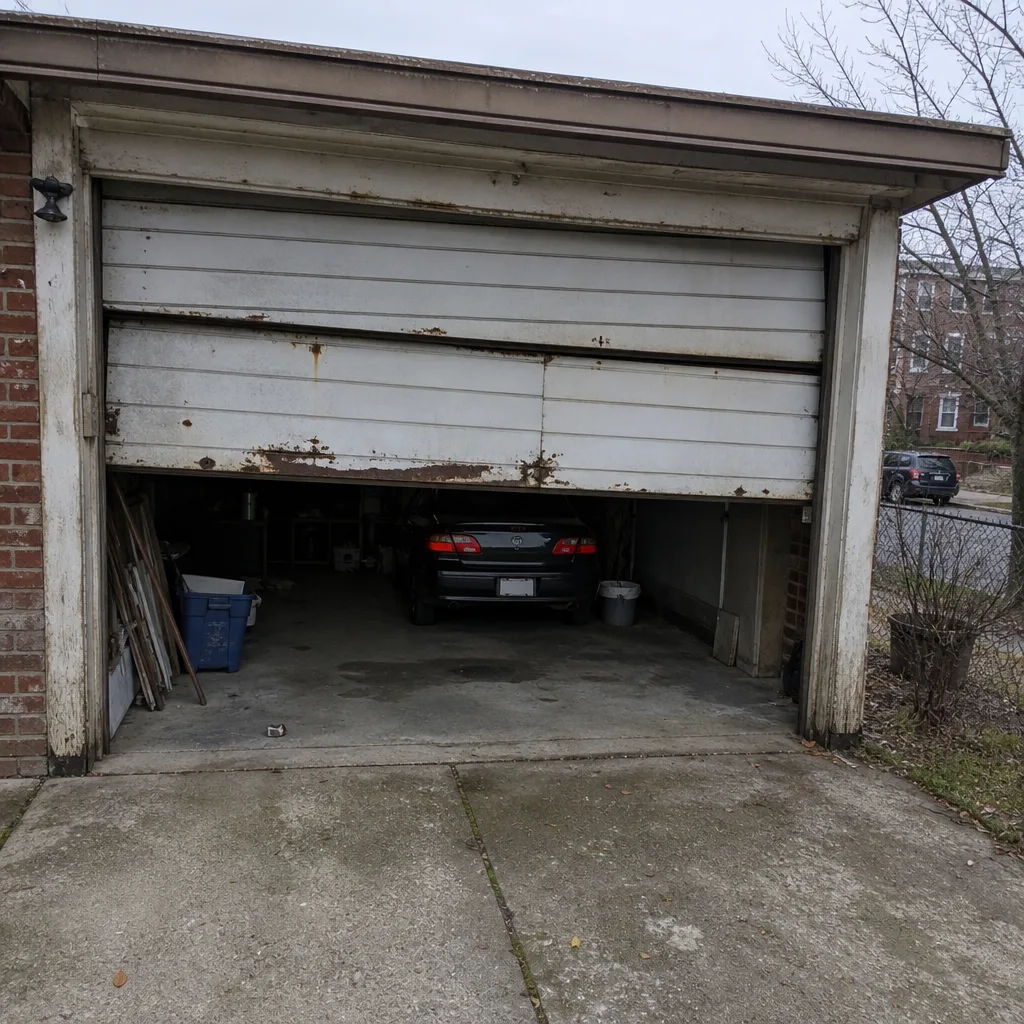 Before
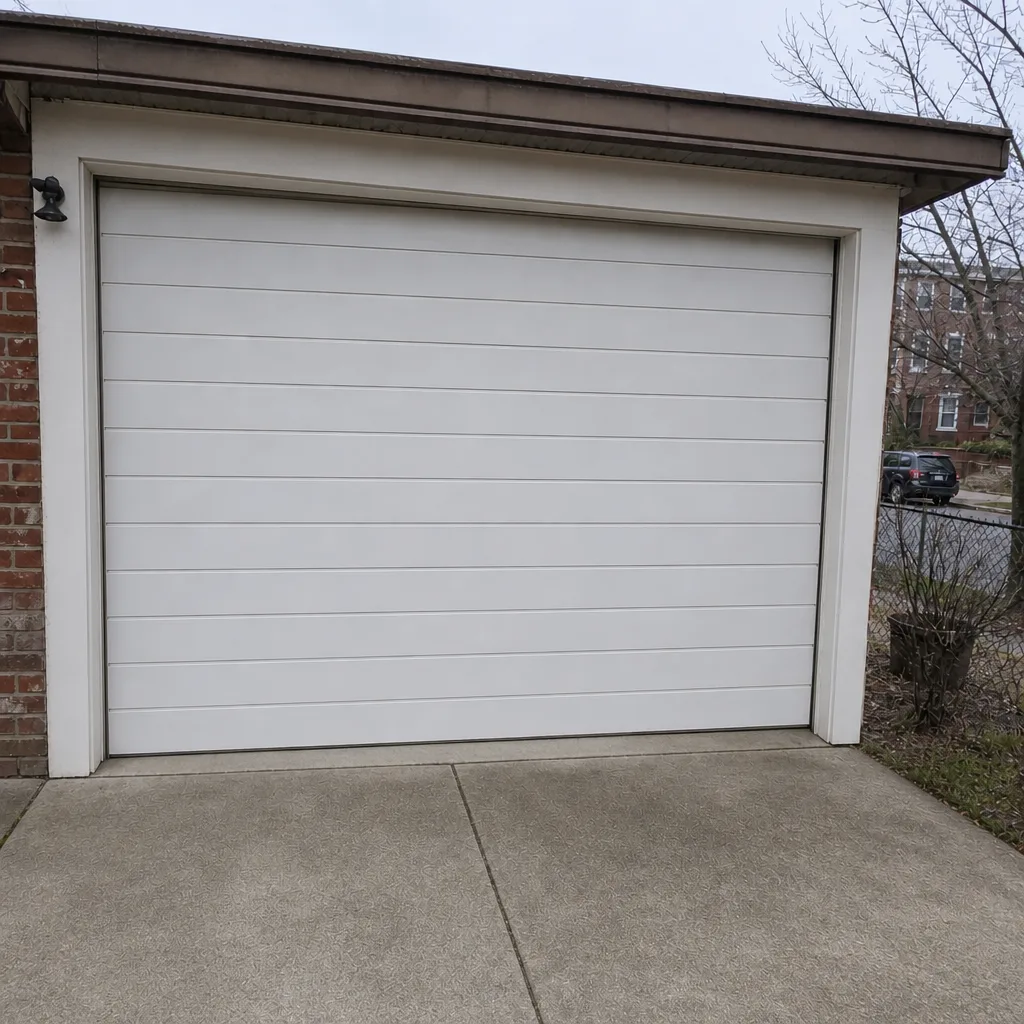 After
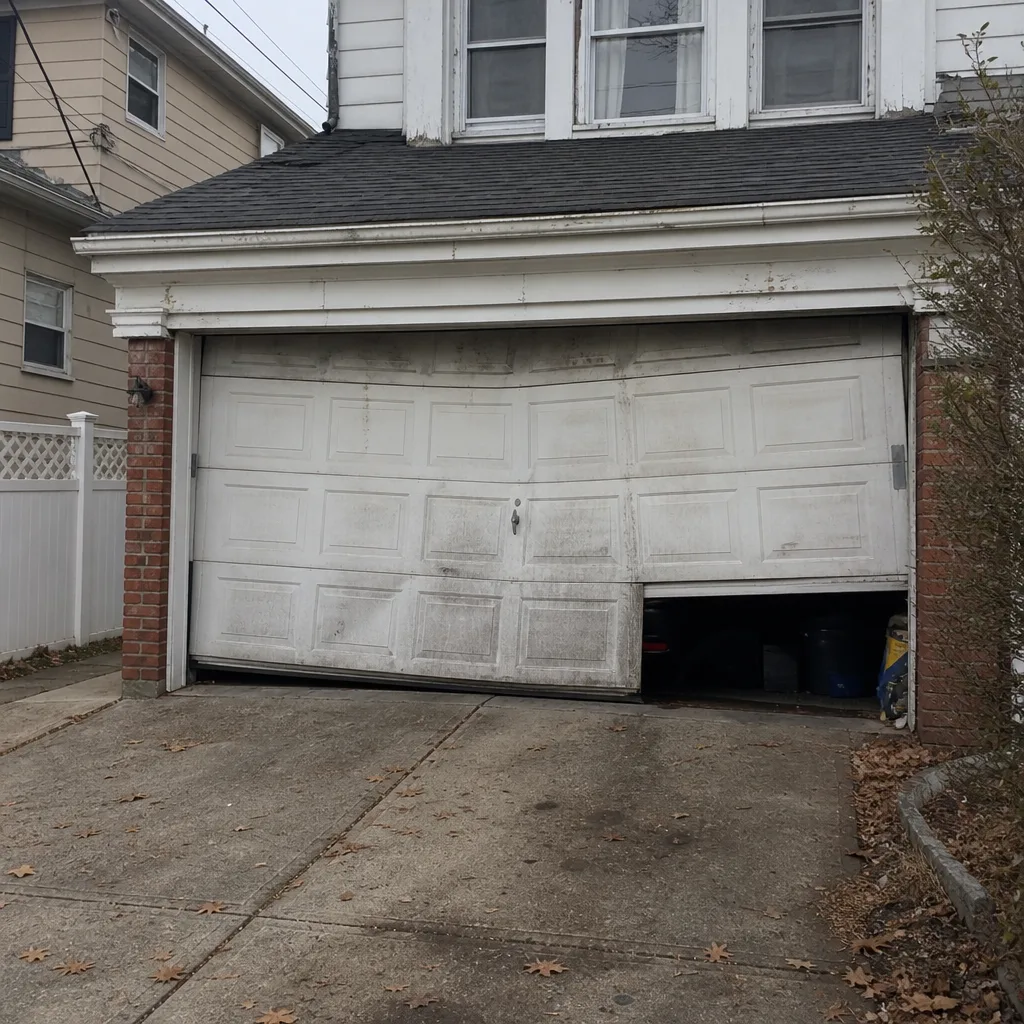 Before
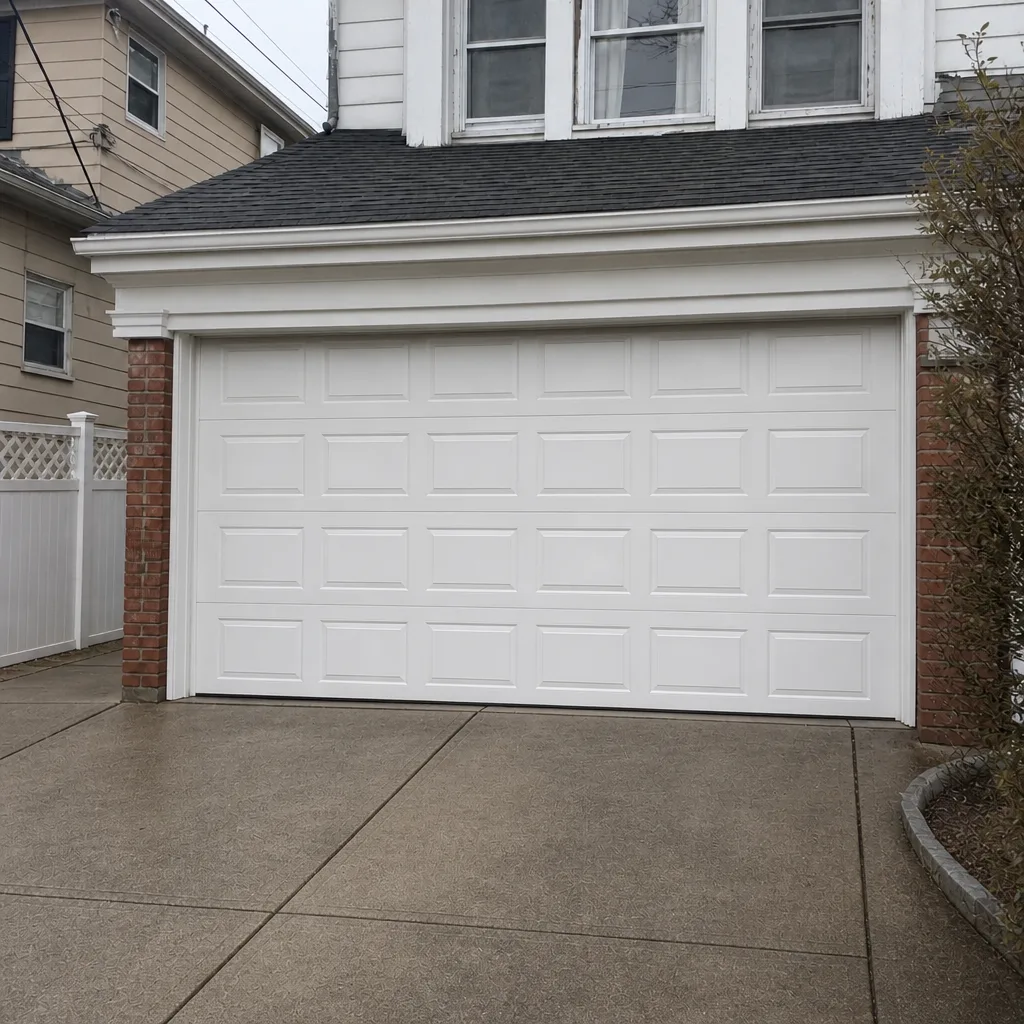 After
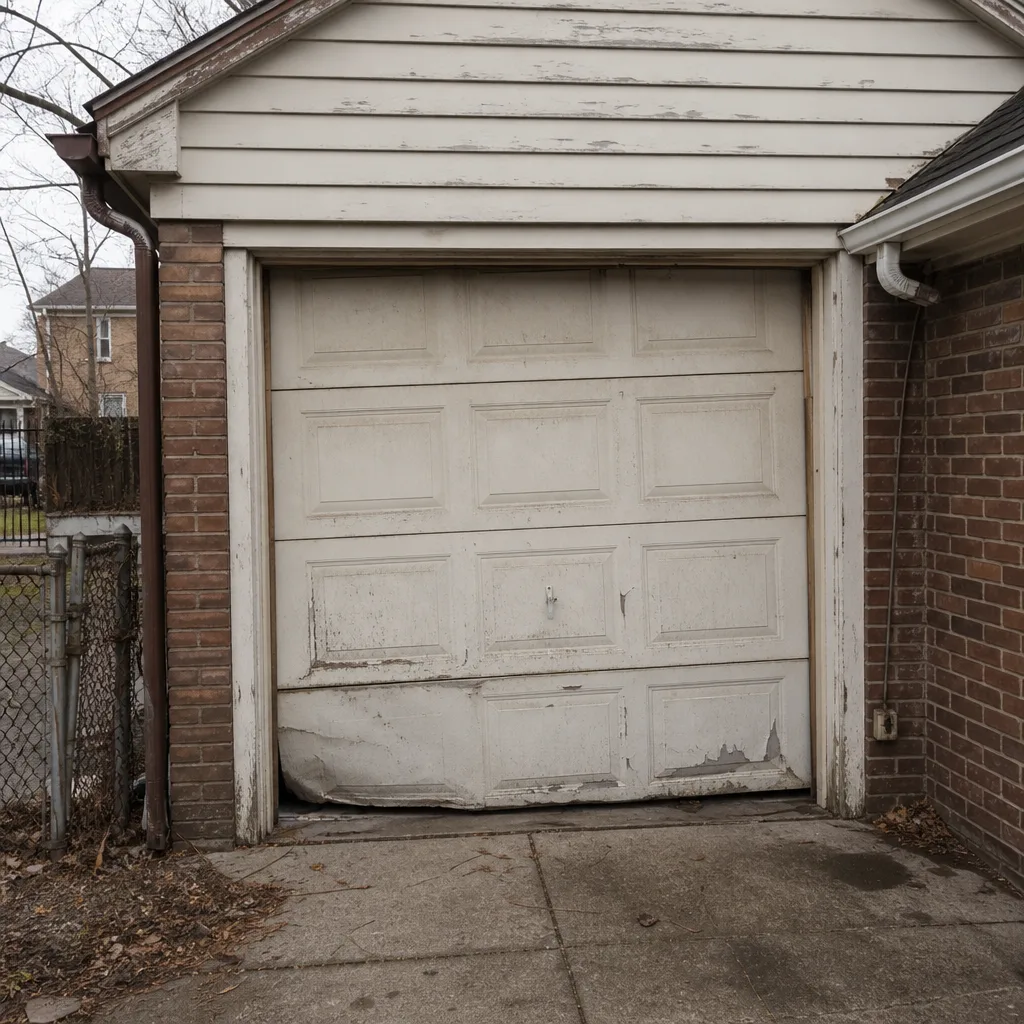 Before
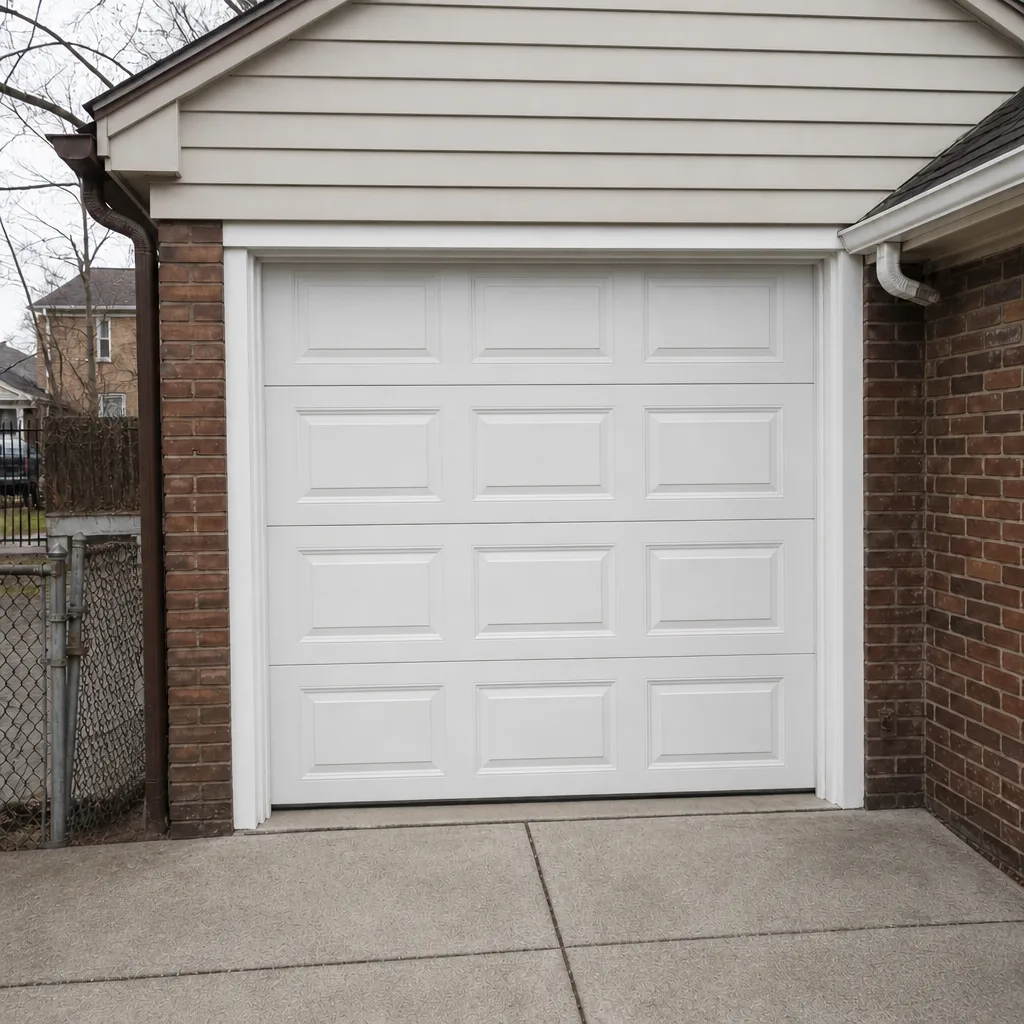 After
When to Call a Professional
Call a professional when a spring is broken or visibly damaged, when the door won’t open or close, when the opener runs but the door doesn’t move, when the door comes off its track, or when you hear a loud bang from the garage and the door stops responding. Call when the door reverses for no reason or when the safety sensors won’t stay aligned. Call if the opener’s electronics fail, if the remote won’t pair, or if the wall switch does nothing. And call before you attempt a repair that involves tension, weight, or wiring. Observation is safe. Repair isn’t. For opener issues you can get garage door opener repair handled in the same visit as the door, which saves you a second appointment and a second diagnosis.
Garage Door Repair Crown Heights offers free estimates in Crown Heights. Call (833) 721-7259 and we’ll book a time to look at it. If the door needs a full replacement, we handle garage door installation across Clopay, Amarr, Wayne Dalton, and Raynor, from builder-grade to architectural steel, and we’ll measure and quote before anything is ordered.
Frequently Asked Questions
Ask for the HIC license number in writing and look it up through the NYC Department of Consumer and Worker Protection’s online license lookup. Confirm the license is active and the business name matches your estimate. If a contractor won’t provide the number, don’t hire them. Call (833) 721-7259 if you want to start with a contractor who expects you to check.
Spring repair in Crown Heights typically runs in the low-to-mid hundreds for a single spring, with a matched pair costing about twice that, depending on door weight and spring type. The written estimate sets the final price, and we confirm it before any work starts. Call (833) 721-7259 for a free estimate.
In many cases, yes. Emergency garage door service exists because a door that won’t close leaves your home open, and that’s a same-day problem. Call (833) 721-7259, describe what the door is doing, and we’ll tell you what’s available.
A complete estimate itemizes parts by name and specification, separates labor from parts, states permit responsibility, includes warranty terms for parts and labor, and confirms the payment schedule and total. If any of those are missing, ask why before you sign. Call (833) 721-7259 for an itemized estimate.
It depends on the frame condition, not just the door. Older Crown Heights homes often have original frames that are solid and worth keeping, and a repair on a sound frame is usually the better call. If the frame is compromised or parts are no longer available, replacement makes more sense. We’ll tell you which applies after we see it. Call (833) 721-7259.
We’re certified to service eight widely installed garage door and opener brands, including LiftMaster, Chamberlain, Genie, Craftsman, Clopay, Amarr, Wayne Dalton, and Raynor. You don’t need to switch brands to get service. Call (833) 721-7259 and tell us what you have.
No. The price is quoted and agreed before any work starts, and the written estimate is the number you pay. If we find something the estimate didn’t cover, we discuss it with you before doing anything. Call (833) 721-7259 for a fixed written quote.
The Bottom Line
Hiring a garage door contractor in Crown Heights is a screening problem, not a price problem. Verify the HIC license through DCWP. Ask the five questions that separate a specialist from a generalist. Demand an itemized written estimate with parts, labor, warranty, and disposal spelled out. Compare quotes on scope and warranty before you compare totals. And if a spring is involved, don’t let a generalist near it. That framework protects you whether you hire us or someone else. If you want to start with a specialist who works on your brand, handles the door and opener in one visit, and answers the phone when the door won’t close, call (833) 721-7259. Estimates are free, and the price is agreed before we start.
Written by the team at Garage Door Repair Crown Heights.