Last updated November 21, 2026
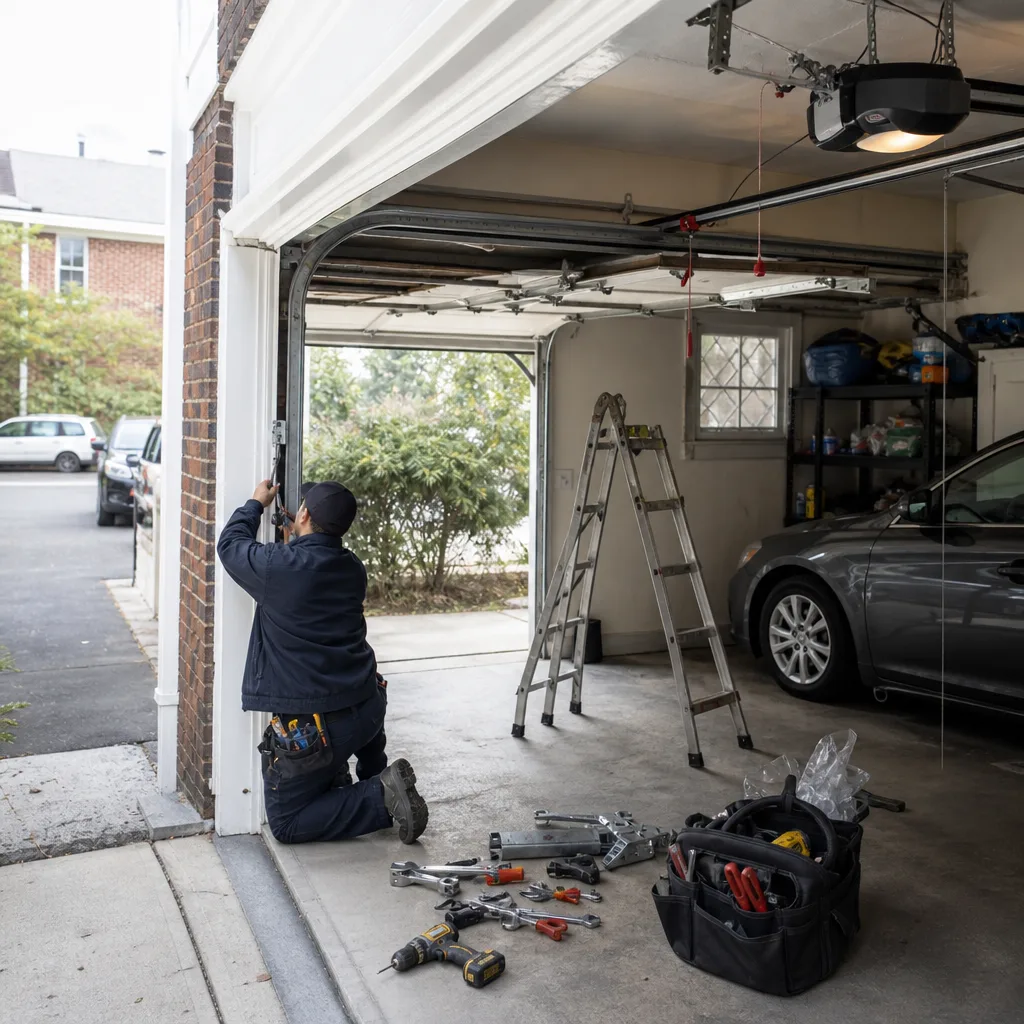
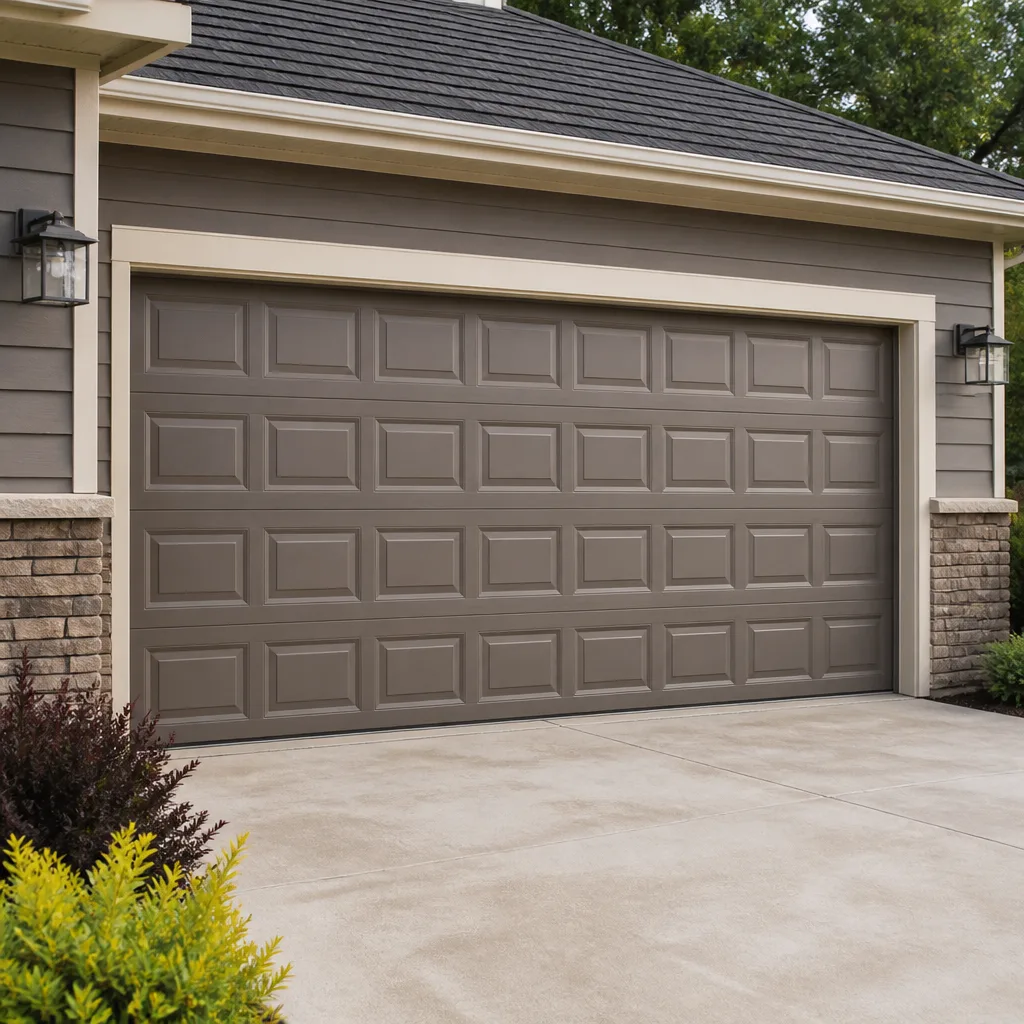 Raised-panel steel
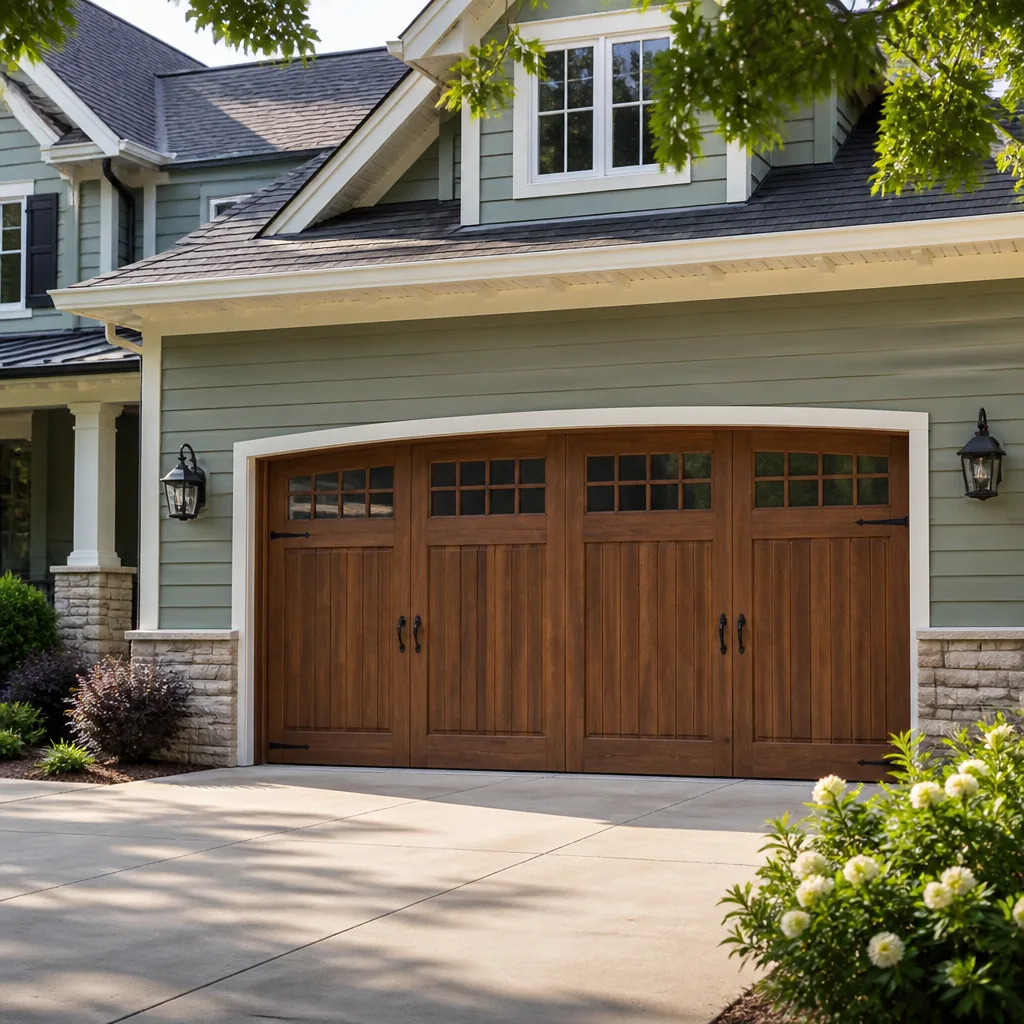 Carriage house
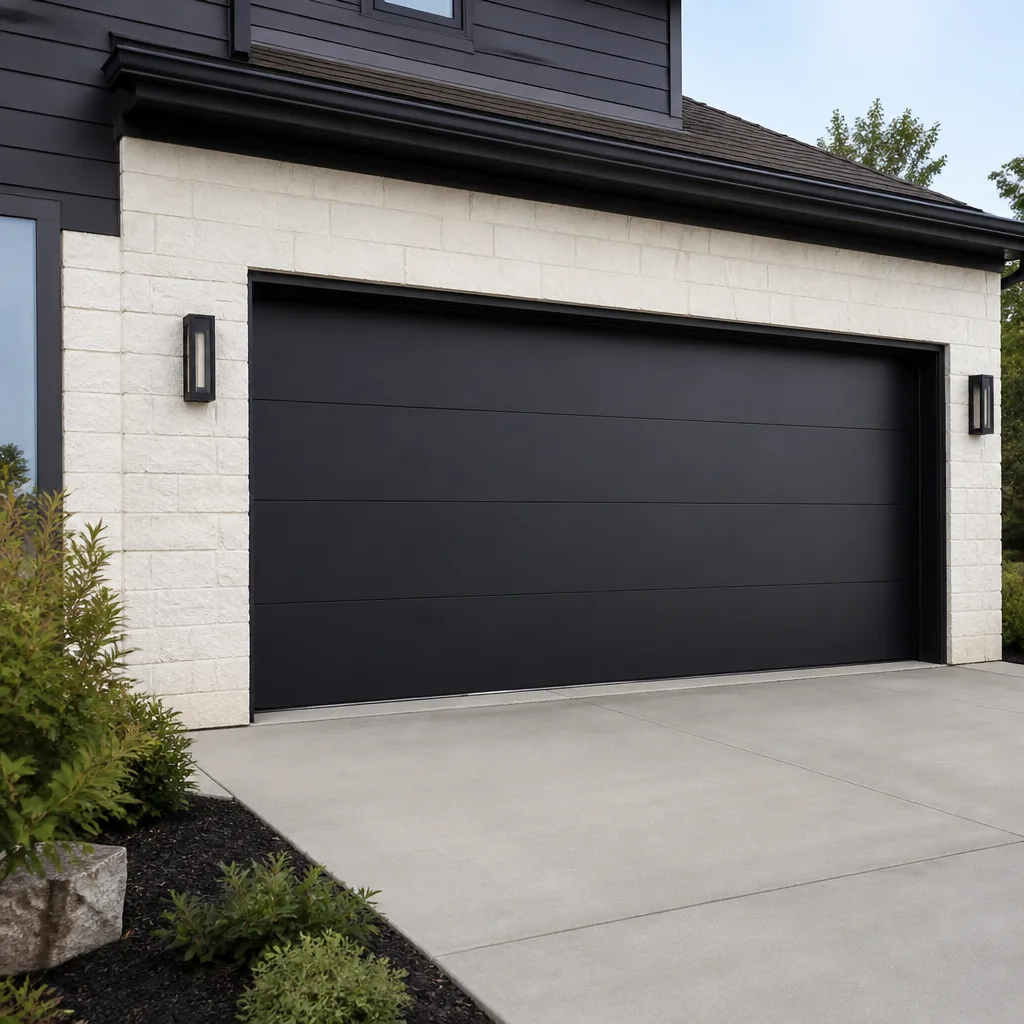 Modern flush
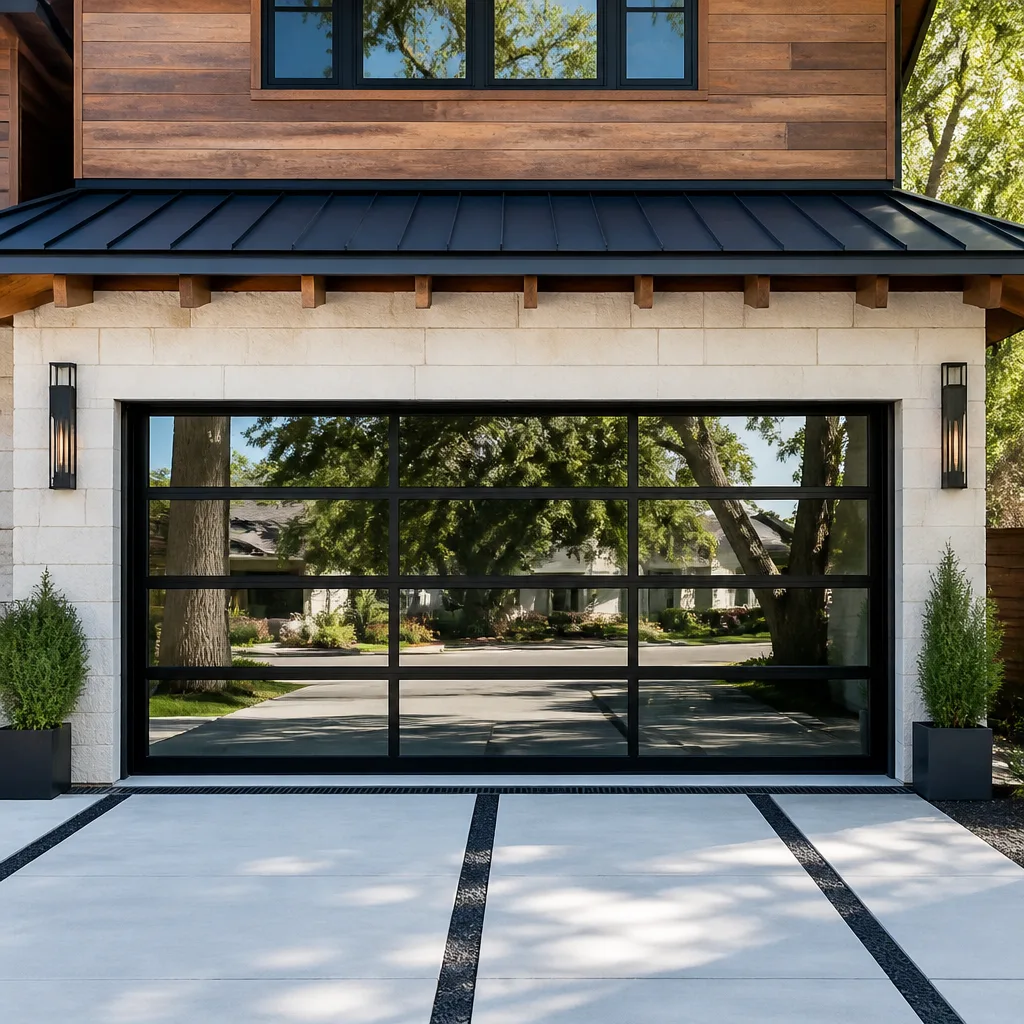 Full-view glass
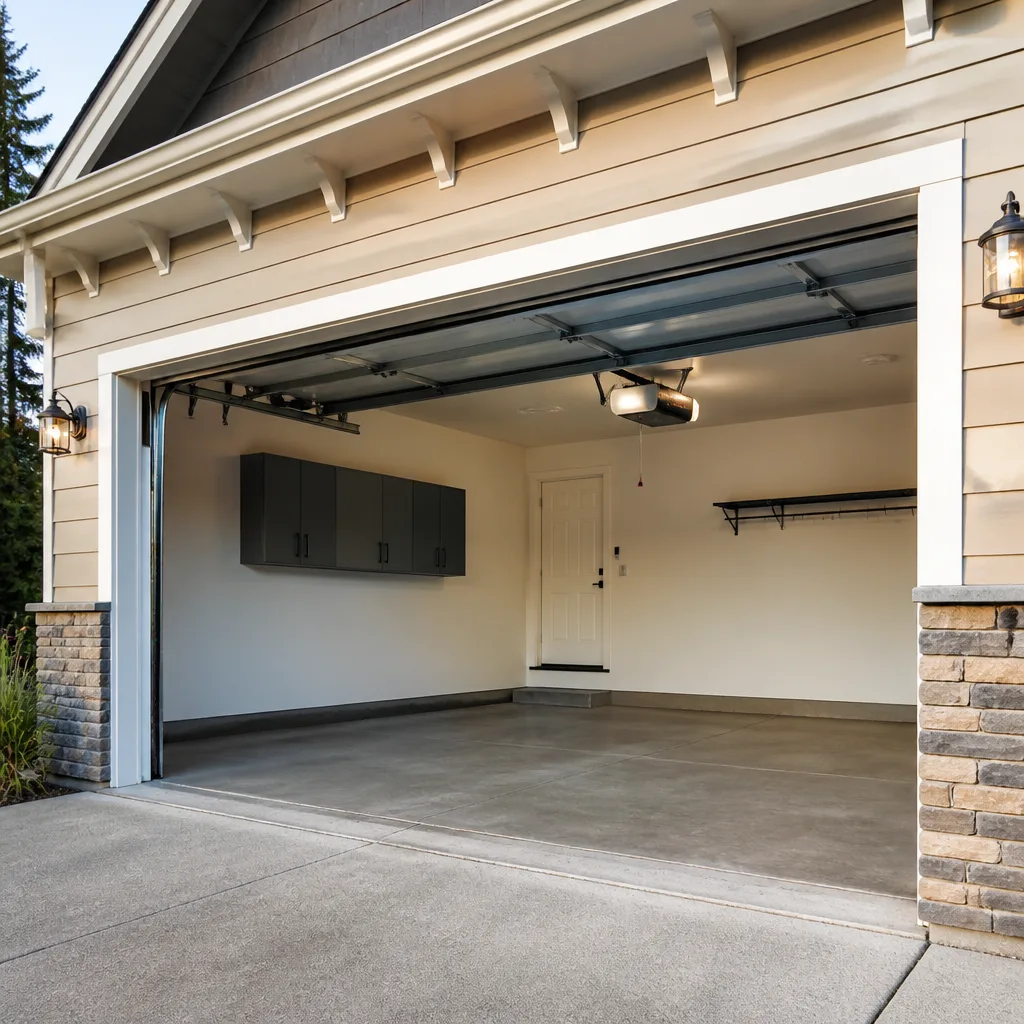 LiftMaster openers
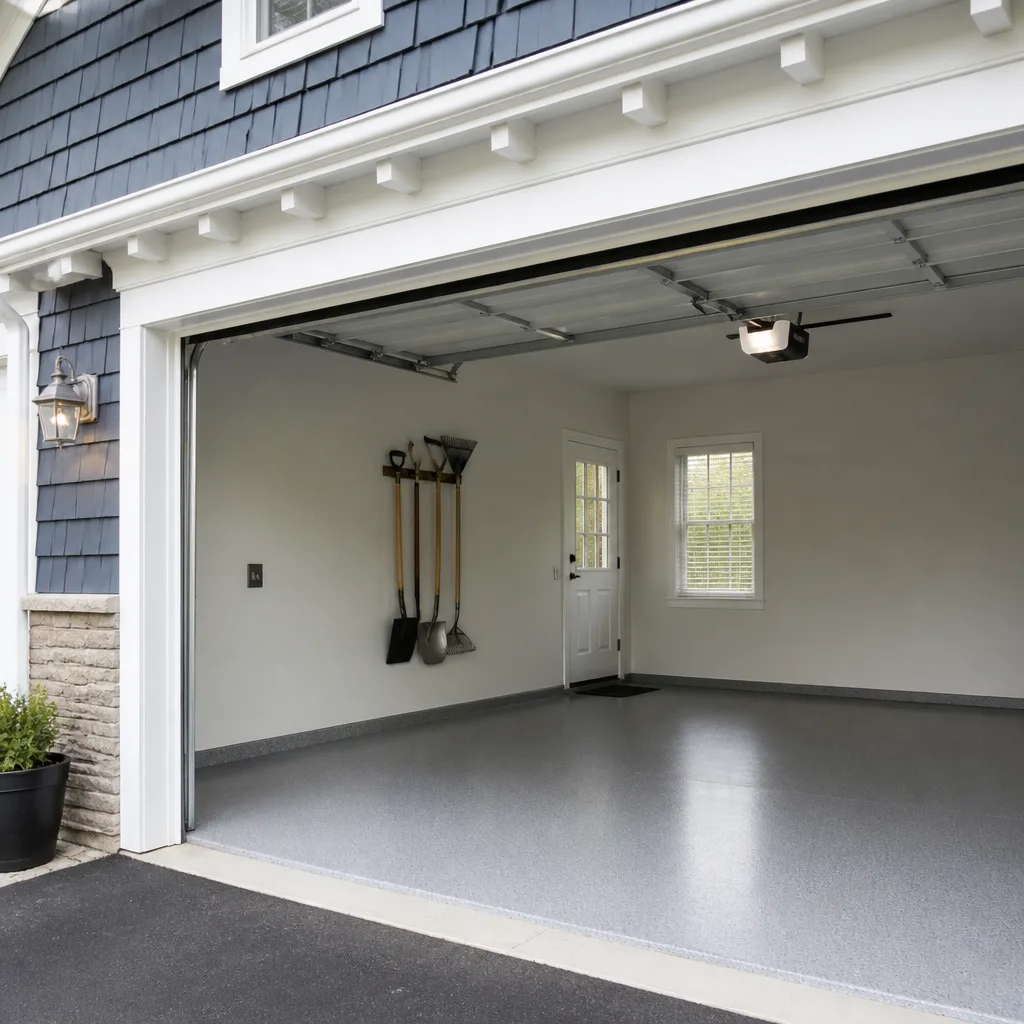 Chamberlain openers
Full 25-point door and opener safety check with every visit - springs, cables, rollers, tracks, and your LiftMaster or Chamberlain opener included
You get a price before we start. It does not change when the pro arrives.
Get your free estimateThe Complete Guide to Garage Doors in Crown Heights
Most people assume a garage door is a single product. In Crown Heights, it rarely is. Walk down almost any residential block and you’re looking at a door hung decades ago, an opener fitted later, and framing that predates both. Three generations of hardware trying to move as one system. That’s why a door that looks fine can suddenly jam, and why a “simple” repair sometimes turns into a conversation about the whole assembly. This guide treats the neighborhood’s built environment as the starting point, not an afterthought. You’ll learn how rowhouse construction affects sizing and clearances, which materials actually survive Brooklyn’s freeze-thaw cycles, how to judge a vintage frame against a new one, and what to check before you spend a dollar on repairs in Crown Heights.
Quick Answer
A garage door in Crown Heights is best understood as a system of three parts: the door and its frame, the torsion or extension springs, and the opener. Because most local garages were built before automatic openers existed, those parts are often mismatched, and repairs succeed or fail based on whether all three are assessed together. If your door is stuck, noisy, or won’t close, the fix usually starts with the springs and tracks, not the opener. A trained technician should look at the whole assembly, quote the work in writing before starting, and match any replacement parts to the brand already on your home.
Styles & brands we work with
- Raised-panel steel
- Carriage house
- Modern flush
- Full-view glass
- LiftMaster openers
- Chamberlain openers
Table of Contents
- How Crown Heights Rowhouse Construction Shapes Your Garage Door
- Materials That Survive Brooklyn’s Freeze-Thaw Cycles
- Repairing a Vintage Door Frame vs. Replacing It
- The Brand Landscape: What Services Crown Heights and What Doesn’t
- Does Your Existing Door Meet Current NYC Building Standards?
- Openers, Smart Controls, and Connectivity Problems
- What Garage Door Work Typically Costs in Crown Heights
- Common Mistakes to Avoid
How Crown Heights Rowhouse Construction Shapes Your Garage Door
Crown Heights is dominated by attached rowhouses and low-rise multi-family buildings, and that single fact changes almost everything about garage door work here. In a detached suburban garage, you have space on all four sides. In Crown Heights, your garage door often sits tight against a party wall, a shared stoop, or a narrow driveway that leaves inches to spare on each side. That geometry affects door sizing, headroom clearance, and where an opener can physically be mounted.
Door sizing is the first thing to verify. A standard single-car opening in a rowhouse may not match today’s off-the-shelf widths, and a door ordered to the wrong dimension won’t seal, which lets in cold air and street grime. Width and height need to be measured at the opening itself, not assumed from the door currently hanging there, because older frames can be out of square after decades of settling.
Headroom is the second issue. Torsion springs and the opener rail need vertical space above the door. In a rowhouse with a low ceiling or a structural beam crossing the garage, a standard torsion setup may not fit, and the technician has to choose a low-headroom configuration or a different spring system. Opener placement follows from there: a ceiling-mounted unit needs a solid mounting point, and in older Crown Heights garages that often means adding a proper cross-brace rather than bolting into a single joist.
Narrow driveways add a third wrinkle. When there’s little room to swing a door panel or stage materials, installation and repair have to be planned around access. That’s a scheduling reality, not a cost trap, but it’s worth knowing before you assume a job is a quick swap.
- Measure at the opening, not the door – settled frames can be out of square.
- Check vertical headroom before assuming a standard torsion spring will fit.
- Confirm a solid mounting point for any ceiling-mounted opener.
- Plan for tight access on narrow shared driveways.
Materials That Survive Brooklyn’s Freeze-Thaw Cycles
Brooklyn’s climate is the quiet enemy of a cheap garage door. Winters swing above and below freezing repeatedly, which means moisture works its way into seams, expands when it freezes, and contracts when it thaws. Do that enough times and paint blisters, steel skins separate from their cores, and wood frames swell and stick. Summer humidity and street-level grime from passing traffic add to the wear. A door that holds up in a dry climate may not hold up here.
In our experience, the materials that last in Crown Heights fall into a few clear categories:
- Insulated steel – the workhorse choice. A steel skin over an insulating core resists moisture, holds paint well, and handles freeze-thaw without warping. It’s also the most common replacement material for rowhouse garages.
- Steel-backed composite or wood-look panels – give you the look of a traditional door with better moisture resistance than solid wood.
- Aluminum – light and rust-resistant, a good fit for low-headroom or narrow installations where weight matters.
- Solid wood – beautiful on a period rowhouse, but it needs consistent sealing and repainting to survive Brooklyn winters. It rewards maintenance and punishes neglect.
The single biggest material decision is less about the panel and more about the finish. A factory-applied finish on a steel door from a manufacturer like Amarr or Wayne Dalton generally outlasts a field-painted surface, because the factory coating bonds to the metal before assembly. If you’re choosing a wood-look or painted door, ask how the finish is applied and how it should be maintained through the seasons.
Grime is the other local factor. Doors close to the street pick up road spray and exhaust film, which traps moisture against the lower panels. A quick rinse and a check of the bottom seal each season goes a long way toward keeping a Crown Heights door looking and working right. When a door has reached the end of its life, a proper garage door installation lets you choose a material matched to the climate rather than whatever was cheapest decades ago.
Repairing a Vintage Door Frame vs. Replacing It
This is the decision that trips up a lot of Crown Heights homeowners, and it comes down to structure versus surface. A vintage door frame is worth repairing when the wood is sound, the opening is square, and the problem is hardware: worn hinges, a tired spring, a track that’s pulled loose. It’s worth replacing when the frame itself has rotted, warped, or pulled away from the building, because no amount of new hardware will fix a frame that no longer holds its shape.
Here’s a practical way to think through it:
- Inspect the frame for rot and movement. Probe the bottom corners and the base of the jambs, where moisture collects. Soft wood or visible separation from the wall points toward replacement.
- Check whether the opening is still square. A frame that has settled can bind a new door just as badly as an old one. If the opening is out of square, the frame needs work before any door goes back in.
- Weigh repair cost against remaining life. If a frame is sound, hardware repair usually makes sense. If you’d be patching rot and re-hanging a door on a failing frame, replacement is the better long-term spend.
- Match the new frame to the door you want. A replacement frame is the moment to correct sizing and clearance issues, so it’s worth doing once and doing right.
For a period rowhouse, there’s also a look-and-feel question. Many Crown Heights homeowners want to keep the character of an older door while upgrading the mechanics underneath. That’s often possible when the frame is solid: keep the door, replace the springs and opener, and get modern reliability without changing the facade.
Financially, the math is straightforward. Repair is the smaller spend and the shorter commitment. Replacement costs more up front but resets the clock on the door, frame, and hardware together. If you’re already facing a spring failure, a binding track, and a rotted bottom rail at the same time, replacement usually comes out ahead once you add up the individual repairs. Our garage door repair team can assess the frame in person and tell you which path makes sense for your building.
The Brand Landscape: What Services Crown Heights and What Doesn’t
The brand on your door and opener matters more than most guides admit, because it determines how quickly a repair can happen. Every Crown Heights garage door we open has a name on it. What you want is a specialist who already knows that name, not someone learning it on your driveway. We work on equipment from eight leading brands: LiftMaster, Chamberlain, Genie, Clopay, Amarr, Wayne Dalton, Craftsman, and Raynor.
On the door side, Clopay, Amarr, Wayne Dalton, and Raynor cover the full range you’ll see in Crown Heights, from builder-grade steel to architectural panels. Because we’re factory-familiar with these names, we know how their panels, tracks, and spring setups are built, which shortens the diagnosis and means replacement parts match what’s already on your home. No brand-switching required.
On the opener side, LiftMaster, Chamberlain, Genie, and Craftsman are the brands most commonly found in residential homes, and they’re the ones we service routinely. That covers both mechanical failure and the electronics and connectivity issues that come with modern smart openers.
Lead times are the honest part of this conversation. Brands that are widely stocked move fast; specialty or discontinued models can take longer to source, and a rare vintage door may need a custom order. That’s true of any installer, but you deserve to know it up front rather than after the fact. When a door or opener is no longer available, a reputable specialist will tell you the realistic timeline and offer a current equivalent from the same brand family.
What you don’t want is a single-brand dealer who can only work on one name, or a generalist handyman who has to look up your model. The full-service approach, one provider covering emergency repair, opener repair, spring repair, and new installation, means the answer to “can you work on my brand?” is usually yes within that eight-brand range. For opener-specific problems, our garage door opener repair service covers all four of the major opener brands in a single visit.
Does Your Existing Door Meet Current NYC Building Standards?
Here’s a question worth asking before you spend on repairs: does the door you already have meet today’s standards, or are you investing in something that falls short? Building codes evolve, and a garage door installed decades ago was built to whatever rules applied then. That doesn’t make it unsafe by definition, but it does mean you should know where you stand.
In our experience, the areas most likely to have changed are the safety features rather than the door itself. Modern openers require safety measures designed to stop a closing door from trapping a person or object. Older openers may predate those features entirely, or have them in a form that’s no longer standard. If your opener is vintage, that’s worth checking.
How to assess it without guessing:
- Check your opener’s safety features. If the unit is old enough that you’re unsure what protections it has, have a technician confirm it meets current standards.
- Confirm the door operates and reverses safely. A properly set opener should stop and reverse when it meets an obstruction. If it doesn’t, that’s a safety issue, not an inconvenience.
- Ask your local building department about permits for structural work. Most cities require a permit when the work touches framing or structure. We can’t speak for every job, but the Crown Heights building department is the authority on what needs one, so ask before a structural repair begins.
- Note any code updates at the point of replacement. If you’re installing a new door or opener, the installation should be done to current standards, not the standards of the old unit.
The clean rule: a repair brings a system back to working condition, while a replacement is the natural moment to bring the whole thing up to current standards. If you’re already planning a replacement, ask your installer how the new unit meets today’s requirements. If you’re repairing, ask specifically whether anything on the door or opener falls short of current code so you’re not surprised later.
Openers, Smart Controls, and Connectivity Problems
A garage door opener fails in two very different ways, and knowing which one you’re facing saves time. The first is mechanical: the motor, gears, chain, or belt gives out, and the door stops moving or moves roughly. The second is electronic: the motor is fine, but the remote won’t connect, the wall control is unresponsive, or a smart-home app has lost the unit. In Crown Heights, where openers are often retrofitted into older garages, both failure types show up, sometimes together.
A single visit should cover both the door system and the opener, since the two are physically connected and a door problem can masquerade as an opener problem. That’s why diagnosis starts with the door, then moves to the opener, rather than the other way around. A binding track or worn roller can make a healthy opener strain and eventually fail, so fixing only the opener leaves the root cause in place.
- Mechanical symptoms: grinding, a door that stops partway, a motor that hums without moving the door.
- Electronic symptoms: remotes that stopped working, a wall control that won’t respond, connectivity that drops after a power interruption.
- Smart-opener issues: pairing failures, app disconnects, and firmware conflicts, which are common on newer LiftMaster and Chamberlain units.
For older openers, the question is often repair versus replace. A mechanical fault on a well-built unit can frequently be repaired and stay in service. A unit that’s failed electronically and is well past its service life may be better replaced than repeatedly repaired, and a smart model gives you modern safety features and app control. We handle both repair and replacement in one visit so you’re not stuck coordinating between companies.
Stock the right knowledge and the repair is quick. That’s the value of working across the major opener brands rather than a single name: your LiftMaster, Chamberlain, Genie, or Craftsman unit is a known quantity, not a puzzle.
What Garage Door Work Typically Costs in Crown Heights
Pricing for garage door work in Crown Heights depends on the job, and any honest guide will tell you that up front. The numbers below are typical estimated ranges, not a quote. The written estimate you receive sets the final price, and it’s quoted and agreed before any work starts so there are no surprises after the fact. Call us for a free estimate and an exact figure for your door.
- Spring repair, one spring: a typical range for a single torsion or extension spring. A matched pair is usually replaced together, so a pair costs roughly twice a single spring.
- Opener repair: varies with the fault. A mechanical fix and an electronic or connectivity fix carry different typical ranges.
- Opener replacement: a full unit swap, typically more than a repair and depending on the model.
- Track and roller service: a smaller line item, often done alongside a spring or opener job.
- New door installation: the largest spend, driven by door size, material, and whether the frame needs work.
Two things move a price more than anything else. First, whether the job is a repair or a replacement. Second, whether the existing frame and hardware are sound. A repair on a solid system is the smaller spend; a replacement that also corrects an out-of-square frame or rotted base costs more because it’s doing more. That’s why the estimate has to come after someone has actually looked at the door.
We won’t quote a number we can’t stand behind over the phone, but we will tell you clearly what the visit will cover. Estimates are free, and the price is agreed before any work begins. For a full replacement, the timeline is measured and scheduled rather than same-day, because door and equipment have to be ordered to your opening.
Common Mistakes to Avoid
These are the missteps we see most often in Crown Heights, and each one tends to cost more in the long run than it saves.
- Assuming the opener is the problem. Most “broken opener” calls are actually a binding door, worn roller, or failing spring that’s straining a healthy unit. Diagnose the door first, or you’ll replace an opener that was never the issue.
- Replacing one spring of a matched pair. A pair wears together, and a new spring working against a tired one throws off the balance and can fail early. Replace the pair together.
- Bolting an opener into a single joist. In older Crown Heights garages, the ceiling framing may not have been built for an opener. A proper cross-brace is the mount, not a single bolt.
- Patching a rotted frame around a new door. A new door hung on a failing frame will bind and seal poorly. Fix the structure before the door goes on.
- Ignoring safety features because the door still works. An opener without current safety measures can trap a person or object. Have it checked rather than assumed to be fine.
- Choosing a door by look alone. In Brooklyn’s freeze-thaw climate, the finish and material matter as much as the style. A door that looks right can be wrong for the weather.
- Letting a single-brand dealer talk you into brand-switching. If your home already has a known brand, a specialist who works on that brand will save you the cost and wait of a needless swap.
See the difference
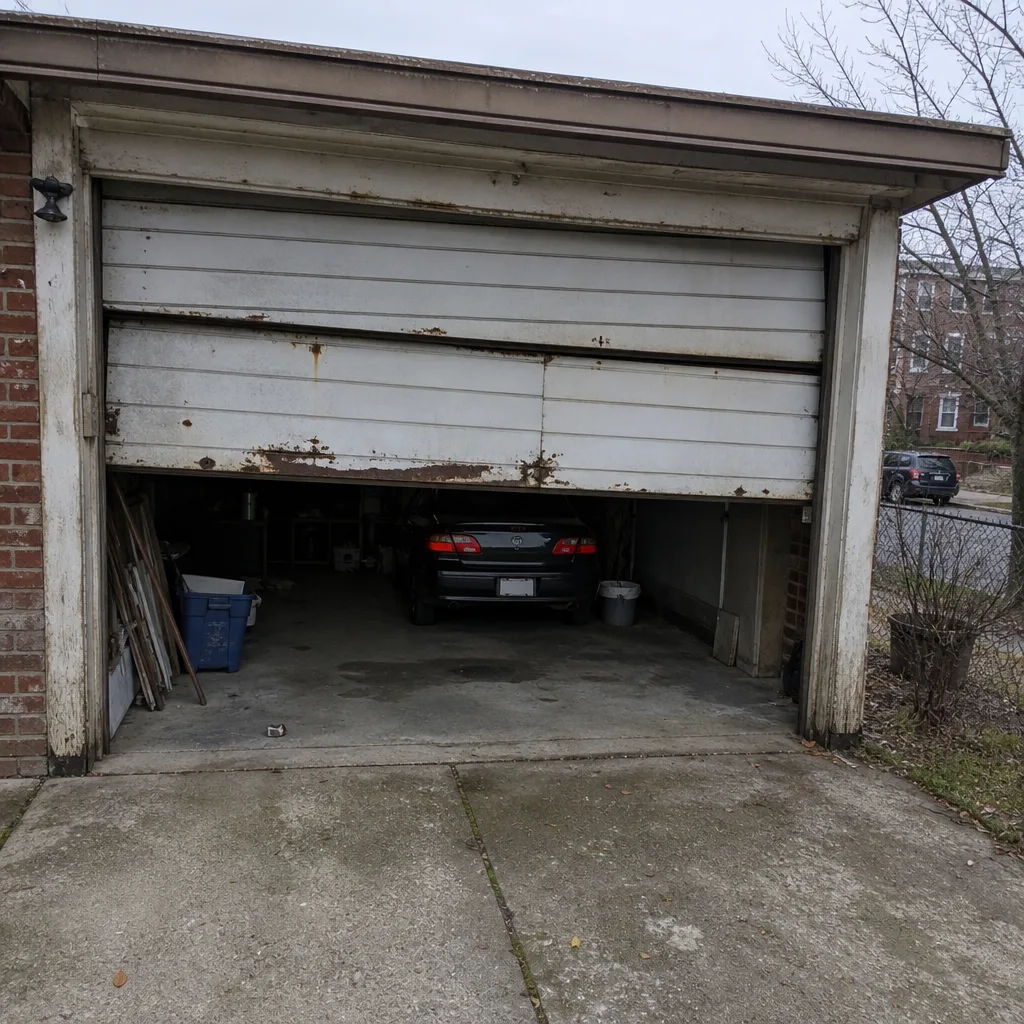 Before
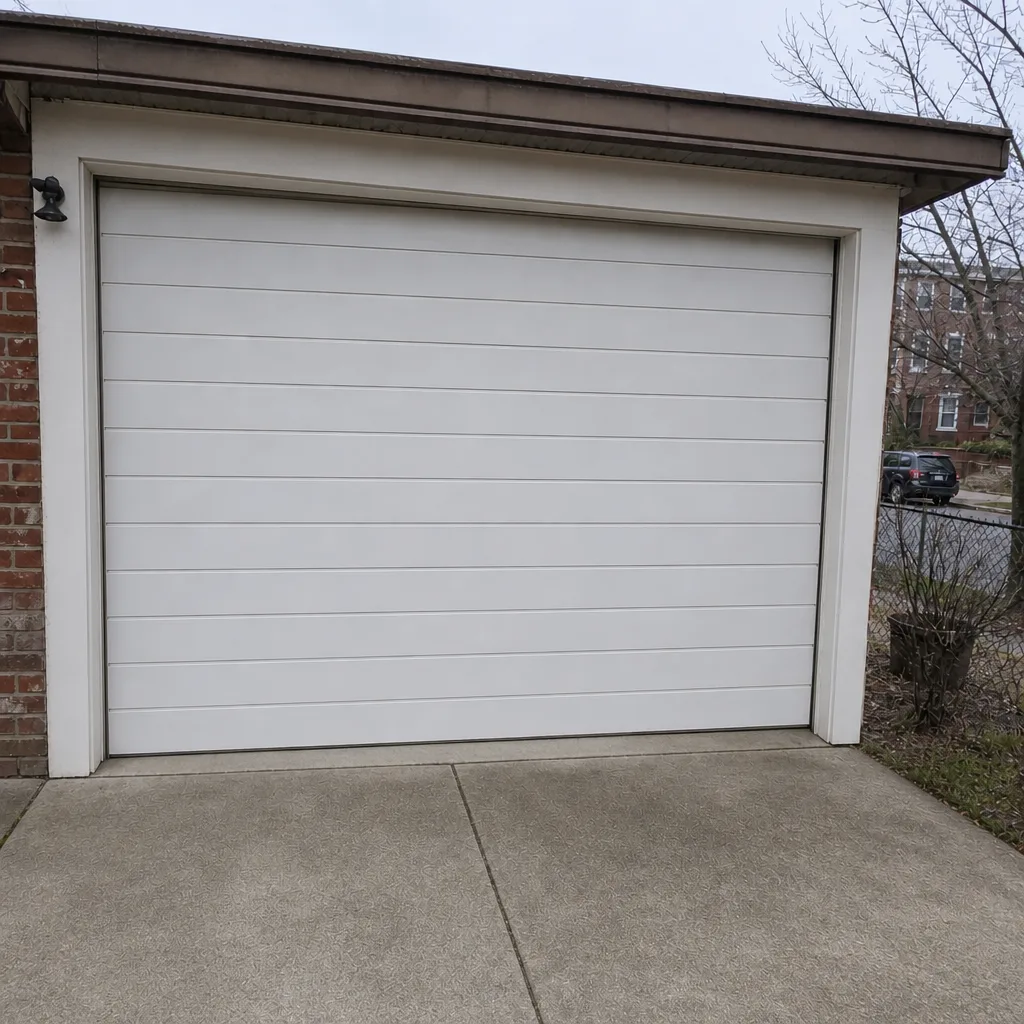 After
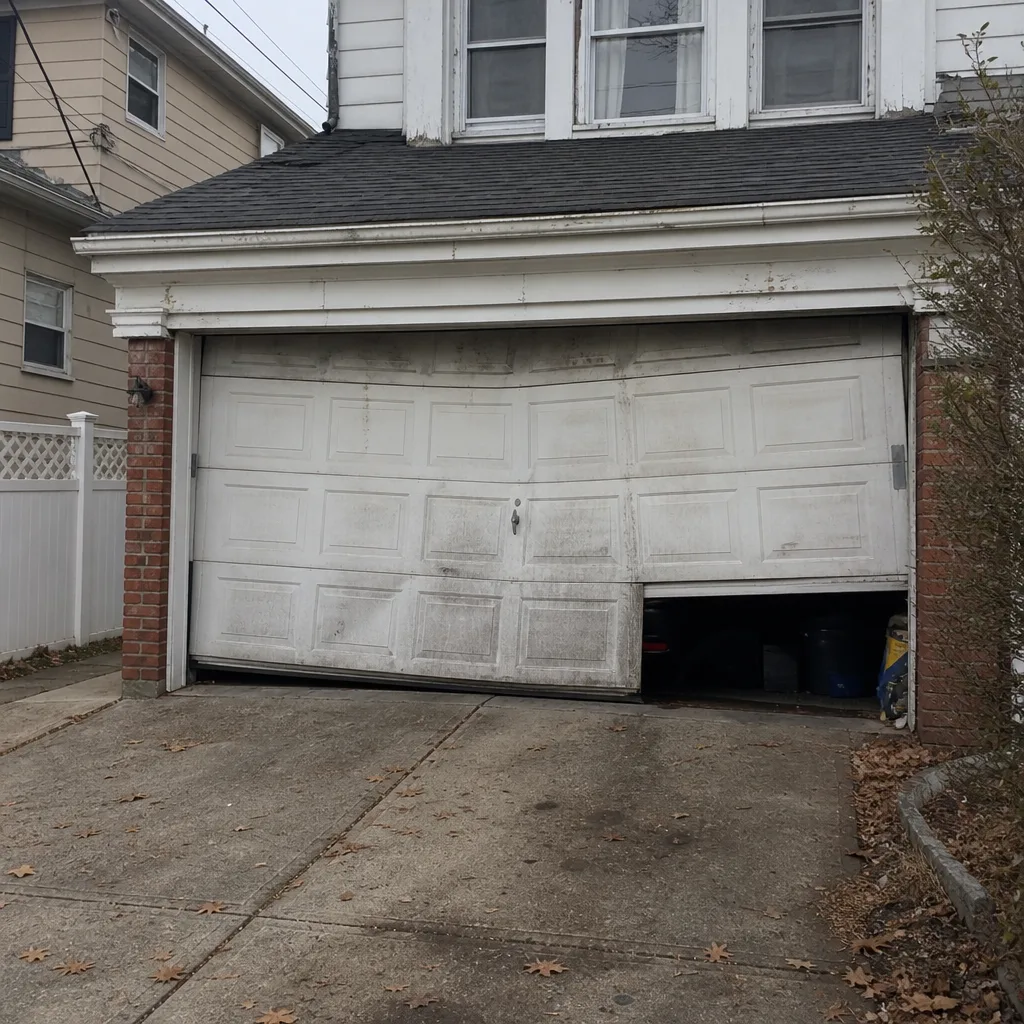 Before
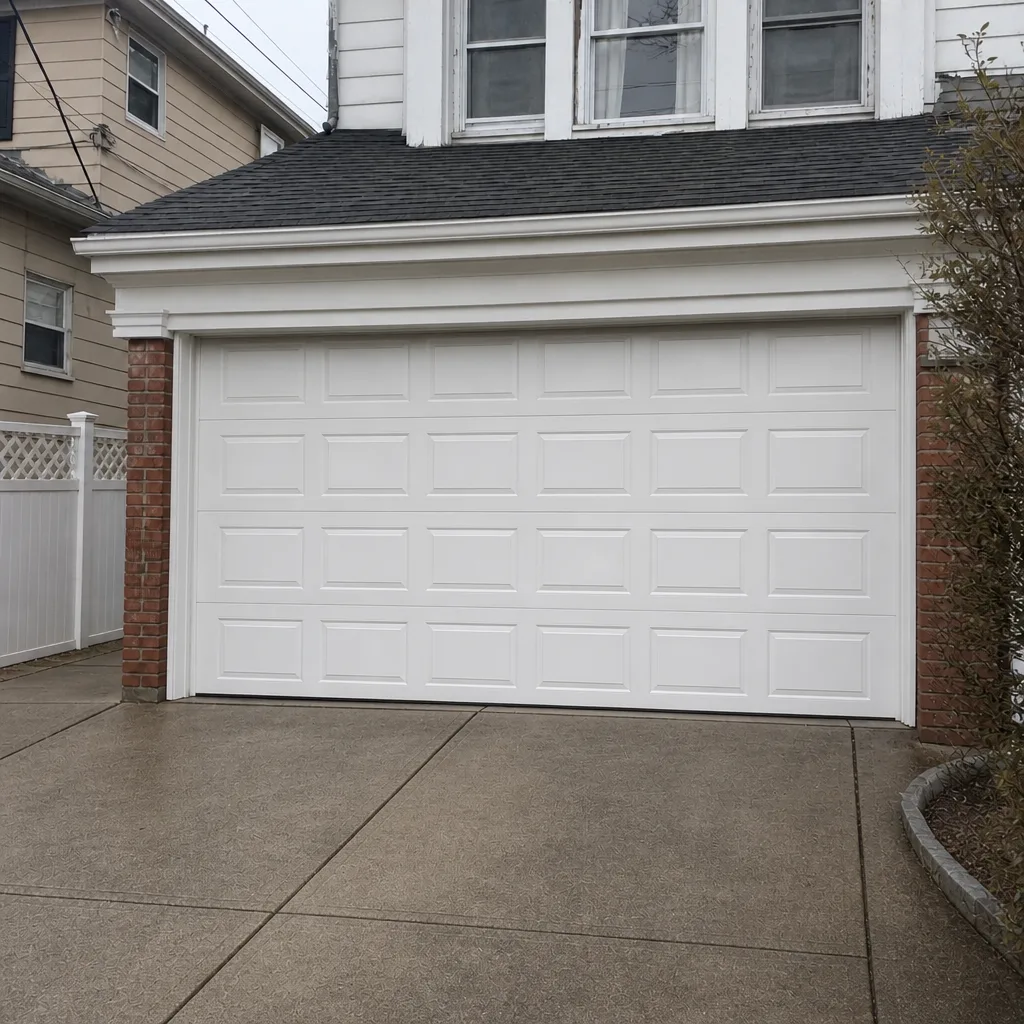 After
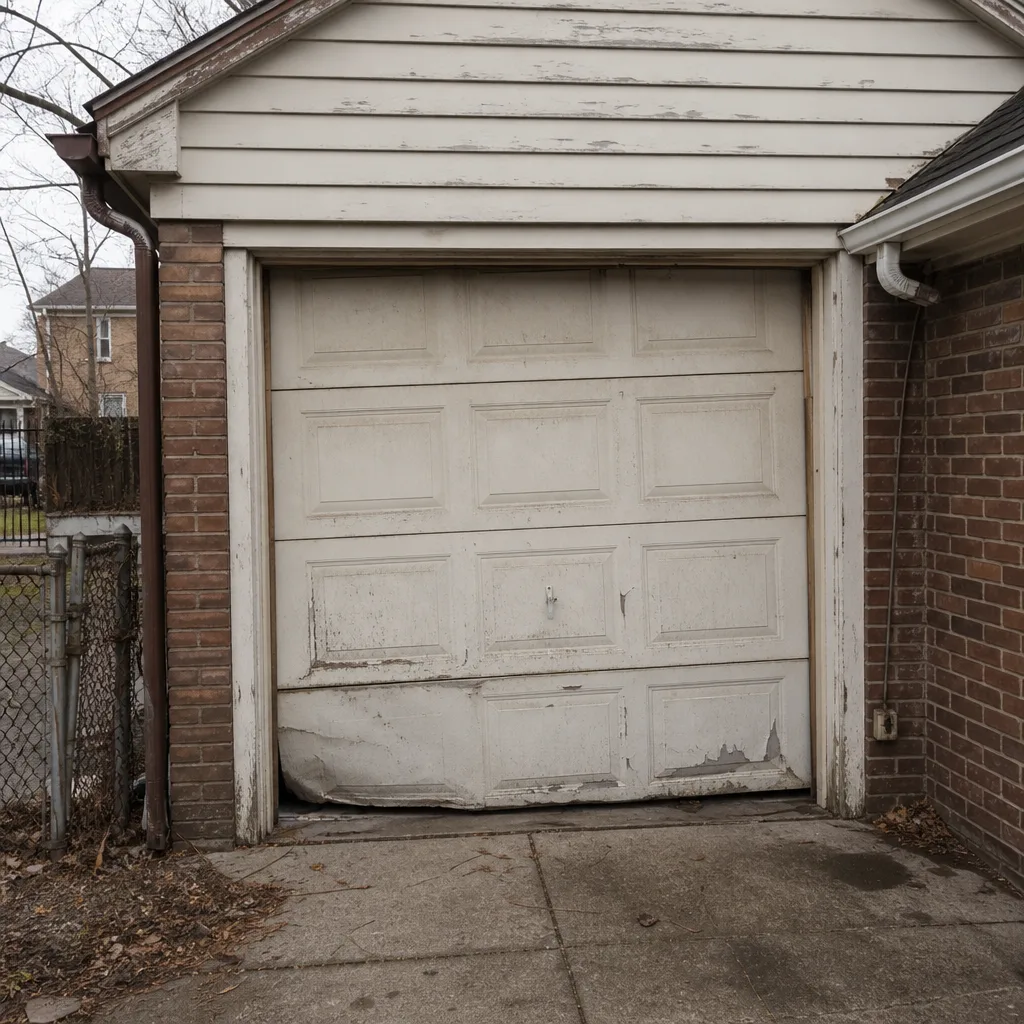 Before
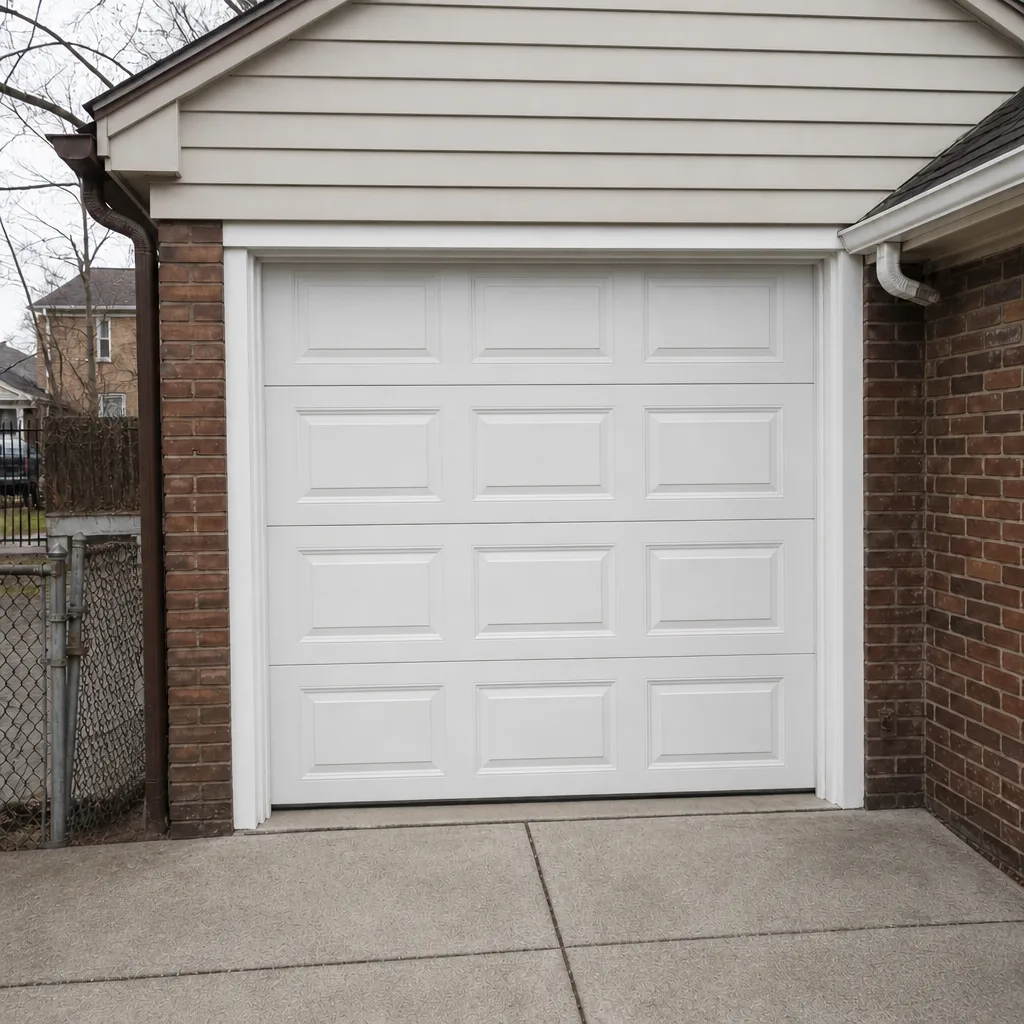 After
When to Call a Professional
Some problems are safe to watch and some aren’t. A door that’s merely noisy can wait for a service visit. A door whose spring has snapped, a door that won’t close all the way and leaves your home open to the street, or an opener that’s straining or humming without moving the door needs a technician, not a weekend project. Torsion springs and cables store enormous force and are genuinely dangerous to handle; a trained professional with the right tools is the safe path. Electrical work inside an opener, and any structural repair to the frame, fall into the same category. If you’re unsure whether the door or the opener is at fault, don’t guess. Garage Door Repair Crown Heights offers free estimates in Crown Heights; call (833) 721-7259 and we’ll diagnose the whole system, quote the work in writing, and get you moving again. Emergency garage door service is a standing capability, because a garage that won’t close is a same-day problem.
Frequently Asked Questions
Crown Heights rowhouses usually mean an attached garage with a narrow driveway, a party wall on one side, and lower headroom than a detached garage. That affects door sizing, headroom clearance for torsion springs, and where an opener can be mounted. The opening has to be measured at the frame, not assumed from the old door, because settled frames can be out of square. A technician who works in Crown Heights regularly plans for tight access and low ceilings by default.
Spring repair is priced per spring, and because springs are usually replaced in matched pairs, a pair costs roughly twice a single spring. The written estimate sets the final price, and it’s agreed before any work starts. Call (833) 721-7259 for an exact quote, since estimates are free.
Yes. Emergency garage door service is part of what we do, because a garage that won’t close is a same-day problem, not a schedule-it-next-week one. A broken spring or a stuck door that leaves your home open is exactly the situation that calls for a same-day visit. Call (833) 721-7259 and we’ll get you on the schedule.
No. The price is quoted and agreed before any work starts, so a written estimate sets the final price. What can change is the diagnosis: if opening the door reveals a worn roller or a frame issue alongside the original problem, we’ll tell you before we do the extra work, not after.
We work on eight leading brands: LiftMaster, Chamberlain, Genie, Clopay, Amarr, Wayne Dalton, Craftsman, and Raynor. On the opener side, that covers the major residential names including LiftMaster, Chamberlain, Genie, and Craftsman. On the door side, it covers the full range from builder-grade steel to architectural panels, including Clopay, Amarr, Wayne Dalton, and Raynor. No brand-switching is required.
It may not be, particularly if the opener is old. Modern openers require safety features designed to stop a closing door from trapping a person or object, and older units may lack them or have them in a form that’s no longer standard. Have a technician confirm the opener’s safety features and the door’s operation before you assume everything is fine. For anything touching structure or framing, ask the Crown Heights building department whether a permit is required.
The Bottom Line
A garage door in Crown Heights is a system: the door and frame, the springs, and the opener. Most local garages were built before openers existed, so those parts are often mismatched, and that’s why a whole-system assessment beats guessing at one component. Match materials to Brooklyn’s freeze-thaw cycles, measure at the frame rather than the door, and decide repair versus replacement based on the structure, not the surface. If you know your brand, work with a specialist who already knows it. Quote first, write it down, and agree it before work starts. For any door that’s stuck, noisy, or unsafe, call (833) 721-7259 for a free estimate and a clear plan. We work on your brand, we cover the door and the opener in a single visit, and we’ll tell you plainly what’s wrong and how it gets fixed.
Written by the team at Garage Door Repair Crown Heights.