Last updated November 21, 2026
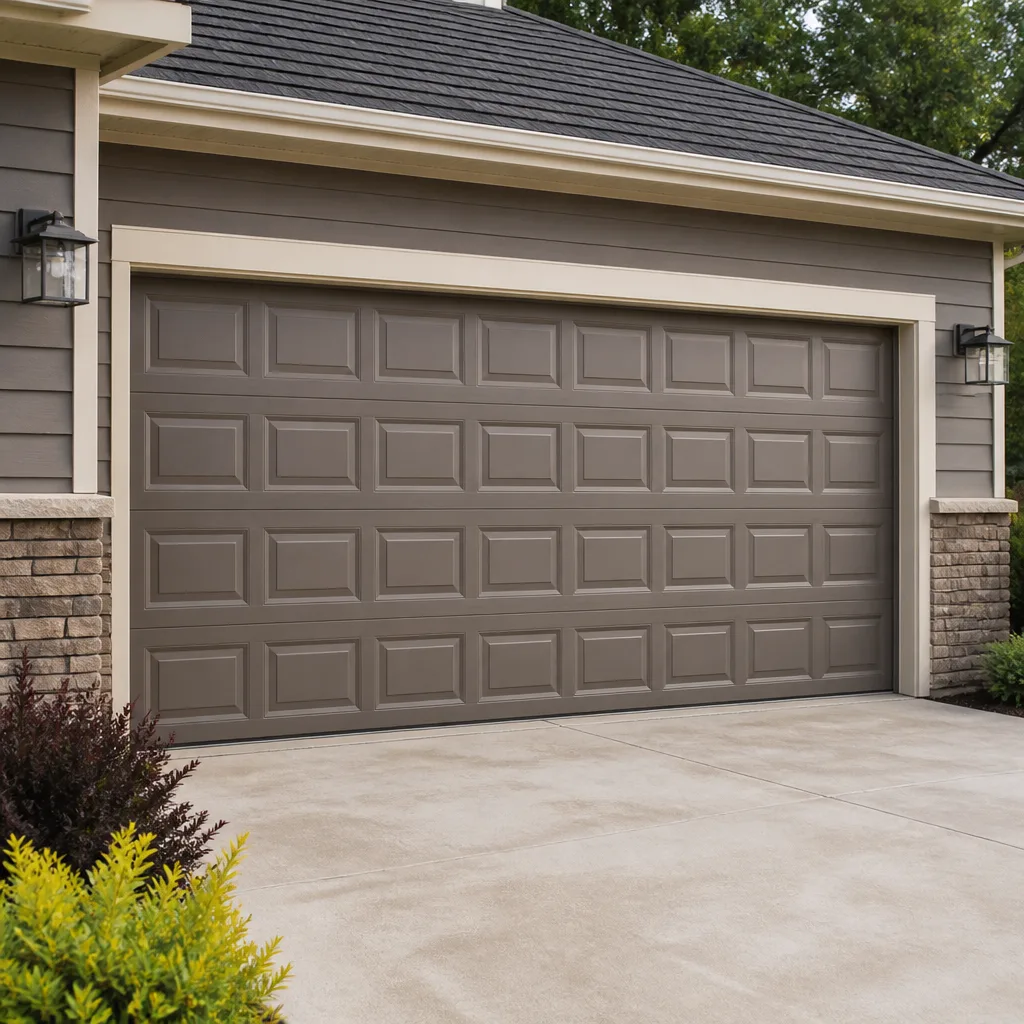 Raised-panel steel
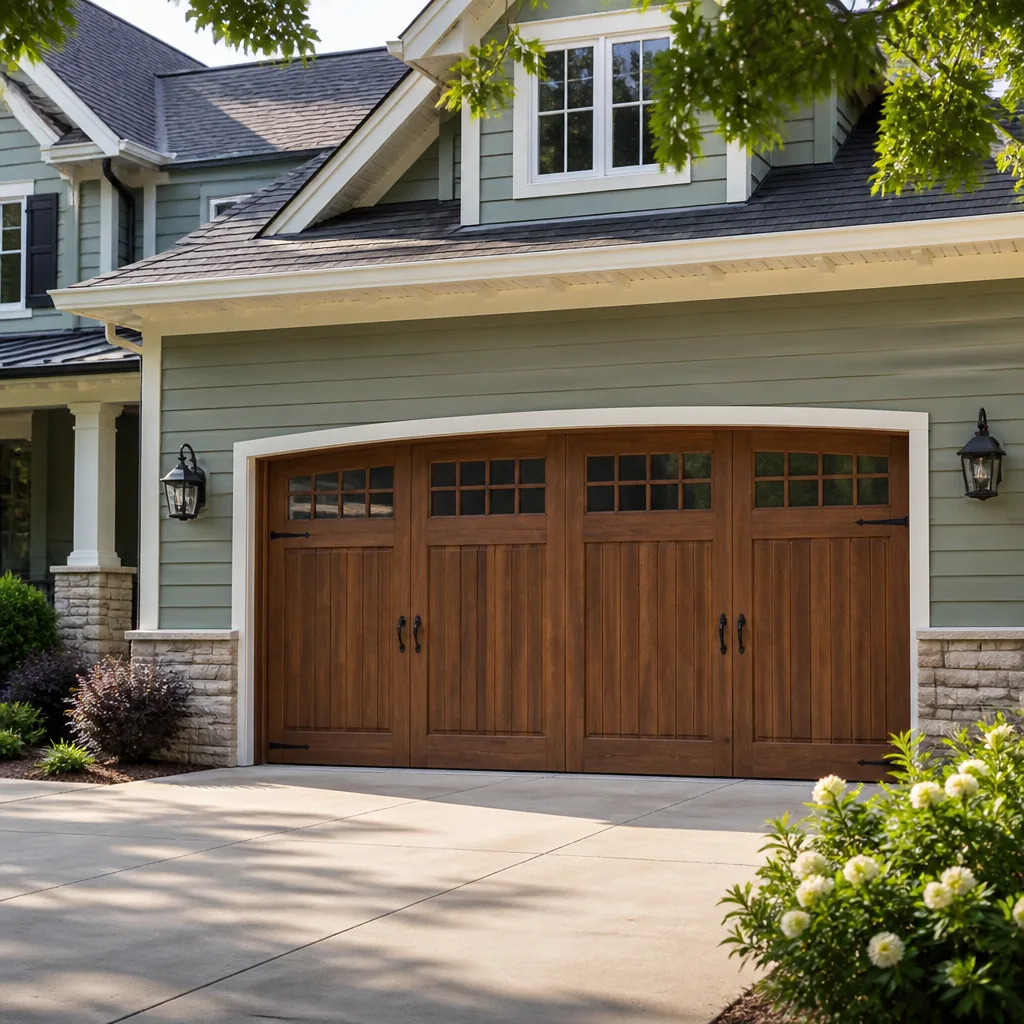 Carriage house
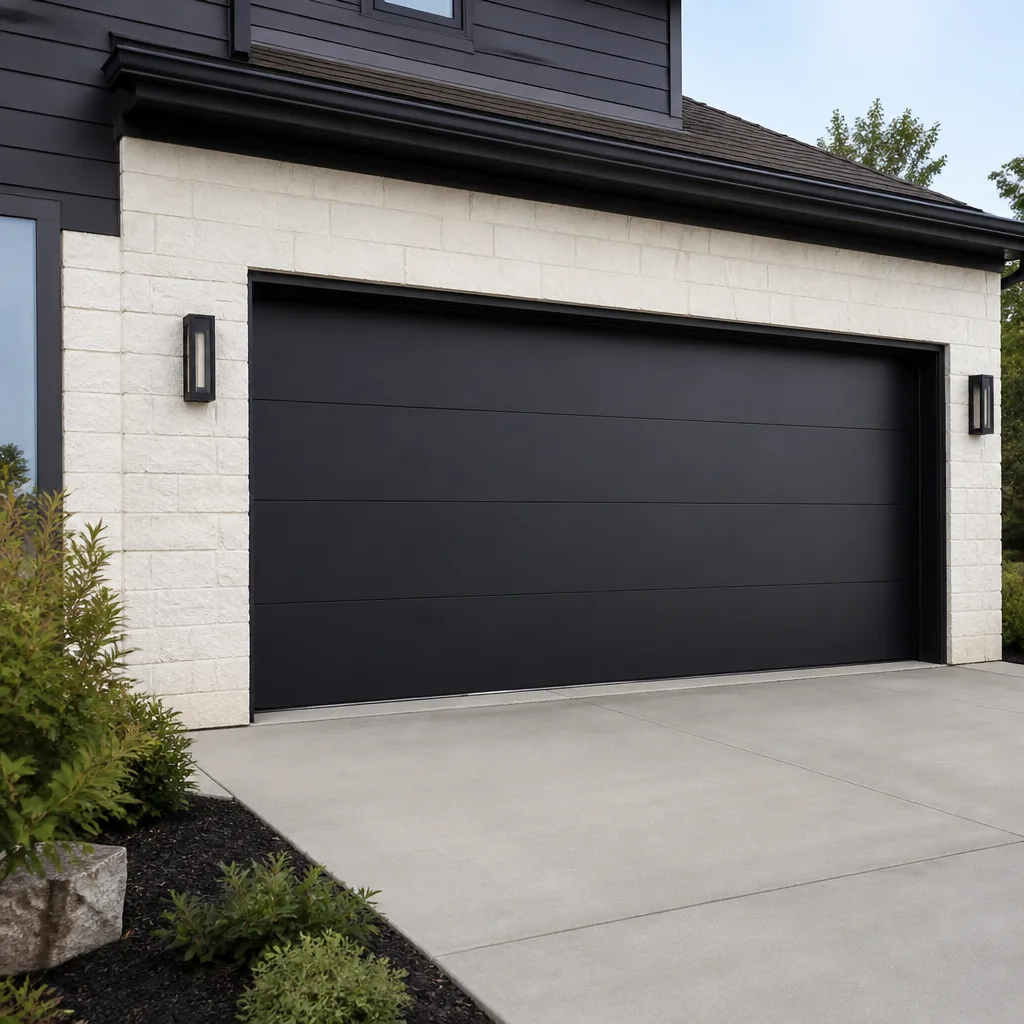 Modern flush
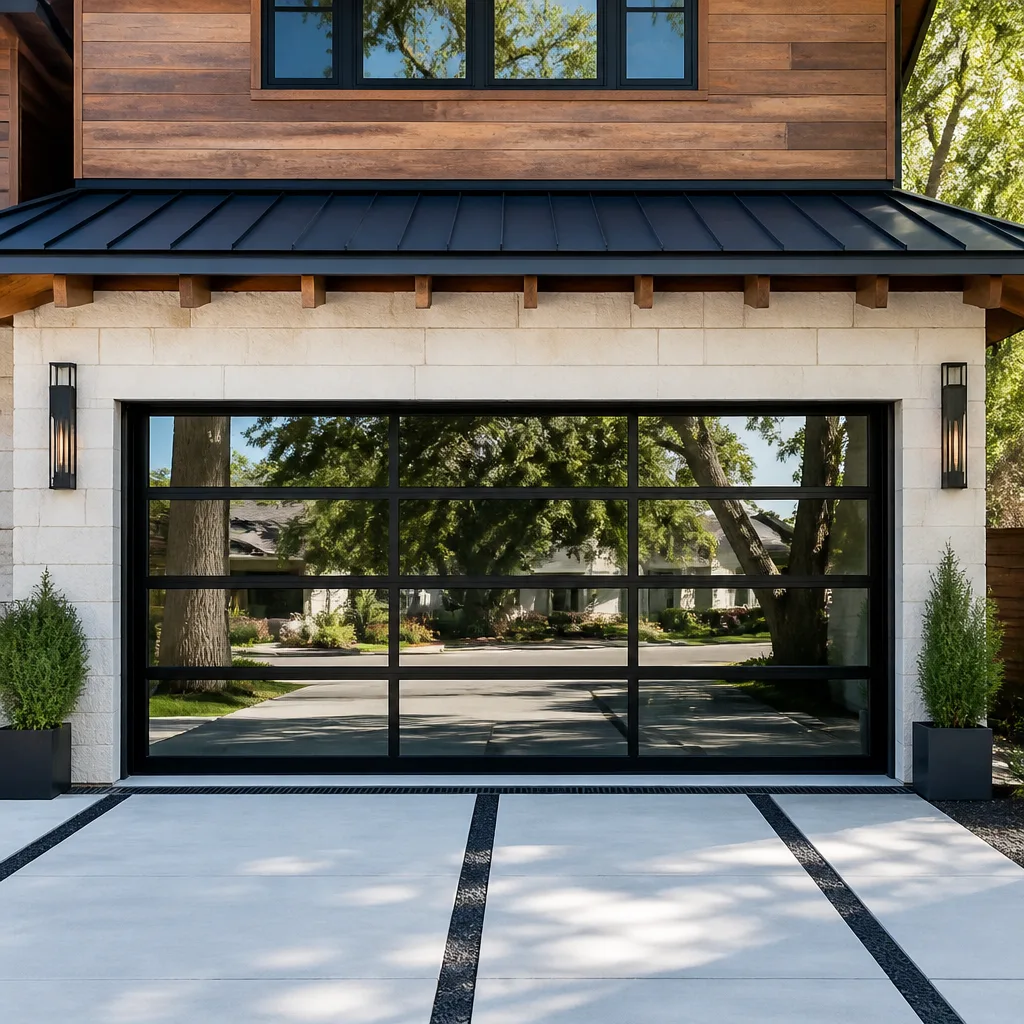 Full-view glass
 LiftMaster openers
 Chamberlain openers
Full 25-point door and opener safety check with every visit - springs, cables, rollers, tracks, and your LiftMaster or Chamberlain opener included
You get a price before we start. It does not change when the pro arrives.
Get your free estimateGarage Door Permits, Codes & Inspections in Crown Heights, NY: What You Need to Know
Most homeowners assume a garage door replacement is a simple swap: out with the old, in with the new, no paperwork required. That assumption gets expensive in New York City. The Department of Buildings (DOB) treats certain garage door work as construction work, and the line between “you don’t need a permit” and “you do” depends on what’s changing behind the door, not just how the door looks. A contractor who says “you don’t need a permit for that” may be right, or may be gambling with your Certificate of Occupancy. This guide explains exactly when a permit is triggered in Crown Heights, what inspectors look for, and how to protect yourself before work begins.
Quick Answer
A garage door replacement in Crown Heights generally needs a DOB permit when it changes the structure, dimensions, or opening of the door, or affects fire separation or egress in an attached garage. A straight like-for-like swap of the same size door for the same type of door, with no structural change, usually does not. When in doubt, ask the DOB directly or have your contractor confirm in writing before work starts.
Styles & brands we work with
- Raised-panel steel
- Carriage house
- Modern flush
- Full-view glass
- LiftMaster openers
- Chamberlain openers
Table of Contents
- When Does a Garage Door Replacement Require a Permit in Crown Heights?
- What “Like-for-Like” Actually Means Under NYC Code
- Fire Separation and Egress Rules for Attached Garages
- Pulling the Permit Yourself vs. Hiring a Contractor
- Post-Installation Inspection: What Inspectors Look For
- Common Mistakes to Avoid
When Does a Garage Door Replacement Require a Permit in Crown Heights?
In Crown Heights and across Brooklyn, a garage door replacement requires a DOB permit when the work qualifies as an “alteration” under NYC construction rules. That classification covers more than most people expect. It’s not only new construction or an addition. It includes any change to the structural opening, the size of the door, or the way the door ties into the building envelope. A thorough opener inspection process, the kind we walk homeowners through before any replacement is scheduled, often surfaces structural details that determine whether a permit is needed.
The key threshold is this: if the door’s dimensions, material type, structural attachment, or surrounding opening changes, you’re in alteration territory. If you’re swapping one 9-foot Clopay steel door for a new 9-foot Clopay steel door in the same opening, with the same track position and same hardware layout, it typically qualifies as a repair or replacement rather than an alteration.
Here’s what generally triggers a permit:
- Changing the width or height of the door opening
- Switching from one door type to another (sectional to carriage-house style, roll-up to sectional, or similar)
- Altering structural framing around the opening
- Modifying the header, jamb, or lintel above the door
- Changing the garage from unheated to conditioned space, or vice versa
- Adding or enlarging a pedestrian door or window alongside the garage door
- Replacing a door in a manner that affects fire separation between the garage and living space (in attached garages)
Crown Heights has a large concentration of attached garages in row houses, brownstones, and pre-war multifamily buildings. That density is exactly why DOB inspections in Brooklyn get close attention. If you’re not sure which category your project falls into, the safest move is to ask the DOB’s Brooklyn Borough Office directly, before anyone orders a door.
What “Like-for-Like” Actually Means Under NYC Code
“Like-for-like” is the phrase that separates a permit-free job from a permitted one, and it’s one of the most misunderstood terms in the trade. In NYC code, like-for-like means the new door matches the existing one in every dimension and performance characteristic that matters to the building’s structural and fire-safety integrity. Same width, same height, same panel configuration, same fire rating (if applicable), same method of attachment. It does not mean “similar style” or “same brand family.”
Here’s where it gets tricky. Two doors from the same manufacturer, like a Wayne Dalton 9100 and a Wayne Dalton 9600, can have different weights, insulation values, and hardware requirements. If the lighter door gets replaced with the heavier one without evaluating the track, springs, and anchoring, the install can fail safety standards even if the opening size matches. That’s not a like-for-like replacement in any meaningful sense.
In our experience, like-for-like actually applies when:
- The door is the same nominal size, down to fractions of an inch
- The door is the same general material and weight class
- No track, hardware, or spring changes are required to accommodate the new door
- The new door meets all current NYC code requirements without altering the building structure
When like-for-like stops applying: any change that increases loads on the existing structure, alters the fire separation, or requires different hardware layout. Upgrading from a Raynor builder-grade door to a heavier insulated model, for instance, will usually need at least an engineering review, and often a permit. If you’re considering a full replacement and aren’t sure, plan to talk to a garage door installation specialist who knows the code before you commit.
Fire Separation and Egress Rules for Attached Garages
Most Crown Heights homes with garages have those garages attached to the main building. That attachment is not a small detail. Under NYC code, an attached garage needs fire separation between the garage and the living space, usually in the form of a fire-rated wall or door assembly and, in some cases, a self-closing mechanism. When you replace the garage door, you’re touching part of that separation system whether you realize it or not.
The most common fire-separation concerns during a garage door replacement are:
- The door between the garage and house (pedestrian door): If there’s a walk-through door connecting garage to house, it must be fire-rated and self-closing in most configurations. Replacing the garage’s main overhead door doesn’t change that, but if the framing around the pedestrian door gets disturbed, the assembly must be restored correctly.
- Fire-rated walls adjacent to the opening: If your new door requires a wider opening, the surrounding wall must be rebuilt with the same fire resistance, using approved materials.
- Egress path from living space: In some attached-garage layouts, the garage forms part of the emergency egress route. Replacing or repositioning doors that affect egress requires special attention.
- Self-closing hardware: If you don’t have a self-closer on the pedestrian door now, adding one during a renovation may bring the whole assembly into current compliance.
Here’s the part many homeowners don’t realize: a permit-free door swap can still fail inspection if the installer disturbed fire separation and didn’t restore it correctly. Inspectors look for continuous fire-rated assemblies, not just a nice-looking door. If your home has an attached garage, it’s worth having a garage door repair company familiar with NYC fire-separation requirements look at the full assembly, not just the door slab.
Pulling the Permit Yourself vs. Hiring a Contractor
You can absolutely pull a garage door permit yourself as the homeowner in NYC. The DOB allows owner-filed permits for work on owner-occupied one- and two-family homes, and the process runs through the DOB NOW online portal. What you need to know before you choose that route is that filing a permit shifts responsibility to you, not to your installer.
The homeowner-filed permit protects you in a narrow sense: you control the paperwork, you know the work is filed, and you’re the one the inspector talks to. But it also means that if the work fails inspection due to contractor error, you’re the one on the hook for the correction, re-inspection fees, and any violations. The contractor doesn’t carry the risk. You do.
The contractor-filed permit shifts that burden. When a licensed contractor files and signs off on the work, they’re representing that the job meets code, and if the DOB finds issues, the pull-back is on their license, not yours. For most homeowners, this is the safer path.
Here’s what typically happens in each scenario:
- You pull the permit: You file through DOB NOW, hire an installer, schedule inspection, and handle any corrections out of your own pocket.
- Contractor pulls the permit: They file under their credentials, they manage the inspection timeline, and they handle any corrections as part of the job.
If you’re working with a licensed and insured professional, the contractor-filed route is generally the stronger choice, because it aligns their interests with getting the work right the first time. Ask upfront which route they plan to take before you sign anything. If a contractor tells you “no permit is needed” without looking at the structural details, get a second opinion. That’s the exact conversation where costly mistakes begin.
Post-Installation Inspection: What Inspectors Look For
After the work is done, the DOB inspector’s job is to confirm the door installation matches the approved plans and satisfies code. That inspection is not a rubber stamp. It’s a specific checklist, and it’s exactly where “but it works” isn’t enough. Here’s what inspectors typically review:
- Door dimensions and type match the filed plans: Even a small size difference (an inch in width, a half-inch in height) can trigger a correction.
- Attachment and anchoring: Tracks, springs, and hardware must be fastened per manufacturer specification and code. Improper anchor depth or missing fasteners fail inspection.
- Fire separation integrity: If the garage is attached, the assembly between garage and living space must be continuous and fire-rated as designed.
- Safety features: Automatic reverse, photo-eye sensors, and other safety devices must be functional and correctly positioned.
- Clearances: Headroom, side room, and backroom around the door and opener must meet manufacturer requirements.
- Electrical compliance: If the opener was wired as part of the job, outlets, disconnects, and GFCIs need to be correct.
To pass inspection the first time, do three things: keep the filed plans on-site, hang onto the manufacturer’s installation spec sheet for the door and the opener (LiftMaster and Craftsman spec sheets, for instance, spell out exact anchoring requirements), and schedule the inspection once all work including opener calibration is complete. Inspectors show up once. Getting it right the first time avoids re-fees and delays.
In our experience, the biggest cause of failed inspections isn’t faulty work. It’s work that was never properly scoped in the first place, like a heavier door installed on the original builder-grade track, or fire separation disturbed during the swap and never restored. A garage door opener repair check is also worth doing at the same time as the inspection, since a failing opener can create downstream safety issues.
Common Mistakes to Avoid
- Trusting “you don’t need a permit” without verification. Contractors who skip permits are usually doing it because it’s easier for them, not because it’s correct. Ask them to put it in writing and check with the DOB before you accept it.
- Assuming like-for-like covers a size change. Going from a 9-foot to a 10-foot door is not a like-for-like replacement in NYC’s eyes, even if the style is identical. It’s an alteration, and it needs a filing.
- Ignoring fire separation in attached garages. Crown Heights row houses almost always have attached garages, and fire-rated walls around the opening are easy to disturb during a door swap. Restoring them incorrectly can fail inspection and create real safety risk.
- Letting the installer choose the door spec without a permit review. A heavier insulated door or a different hardware layout can change structural and fire requirements. Lock in the spec and permit scope together, before the door is ordered.
- Assuming the warranty covers permit issues. Manufacturers’ warranties typically don’t cover code violations or failed inspections. Those costs land on you.
- Skipping the inspection because the door “works.” A door that cycles perfectly can still fail fire separation, clearance, or anchoring requirements. The inspection isn’t optional just because the door goes up and down.
- Forgetting the opener when scoping the job. If the new door is heavier, the existing opener may not be rated for it. A LiftMaster or Chamberlain opener rated for the new door weight may need to be part of the plan.
When to Call a Professional
If you’re facing any of these situations in Crown Heights, call a professional before moving forward: your current door is failing or has snapped a spring and you’re wondering whether to file a permit for the replacement; your contractor told you a permit isn’t needed but you’re not sure; you have an attached garage and want to confirm fire separation is intact; or you want a spec that meets code without overshooting on cost. Garage Door Repair Crown Heights offers free estimates in Crown Heights, call (833) 721-7259. Our technicians have up to 15 years of experience and we service all major brands, Walker-Dalton, Raynor, LiftMaster, and Craftsman included. We quote the price and confirm scope before any work starts, so there are no surprises when the door is open.
See the difference
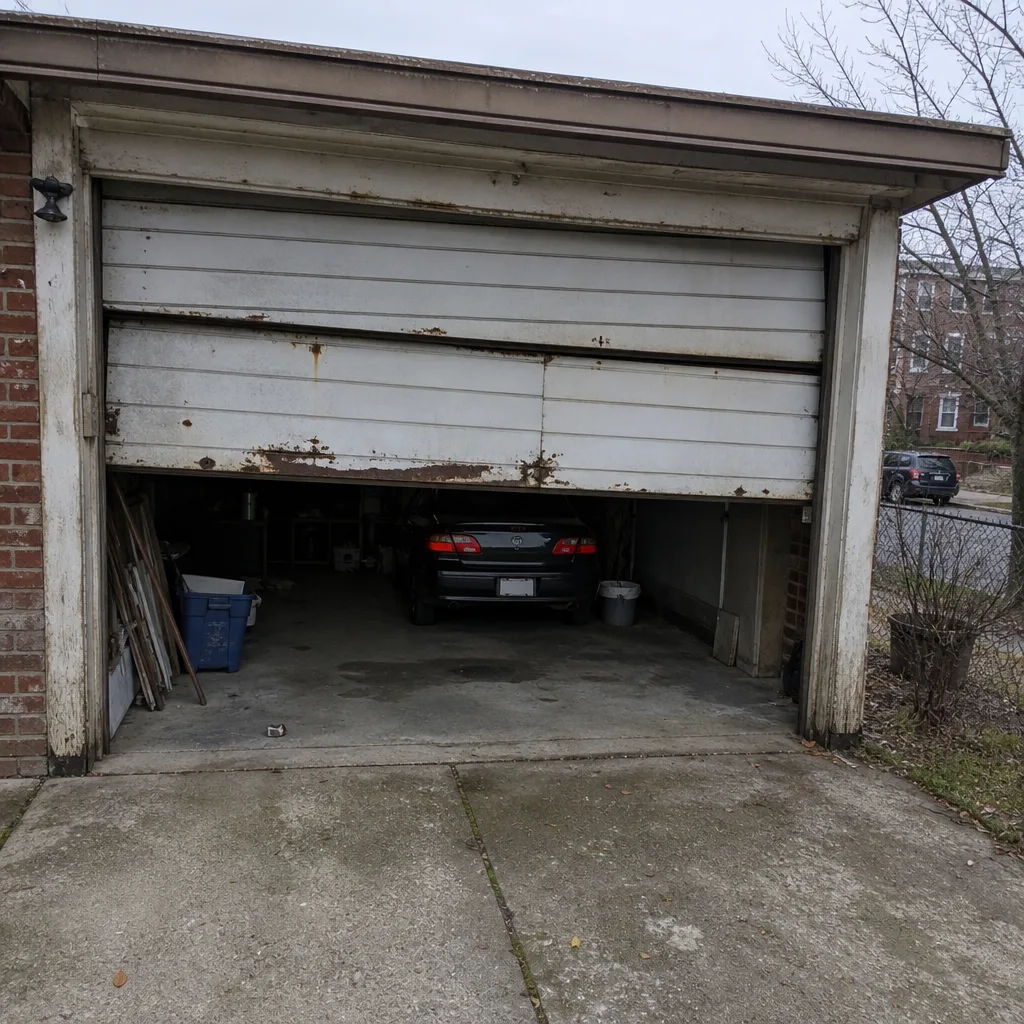 Before
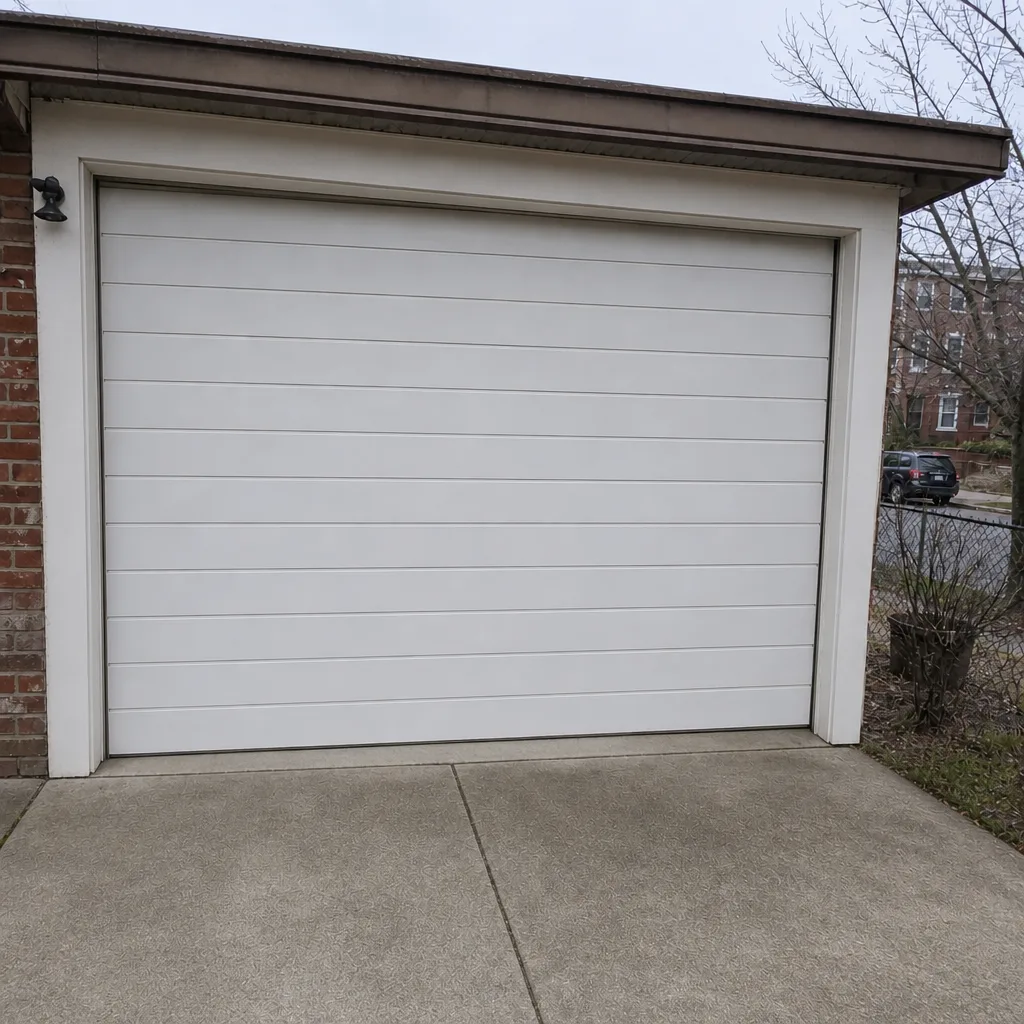 After
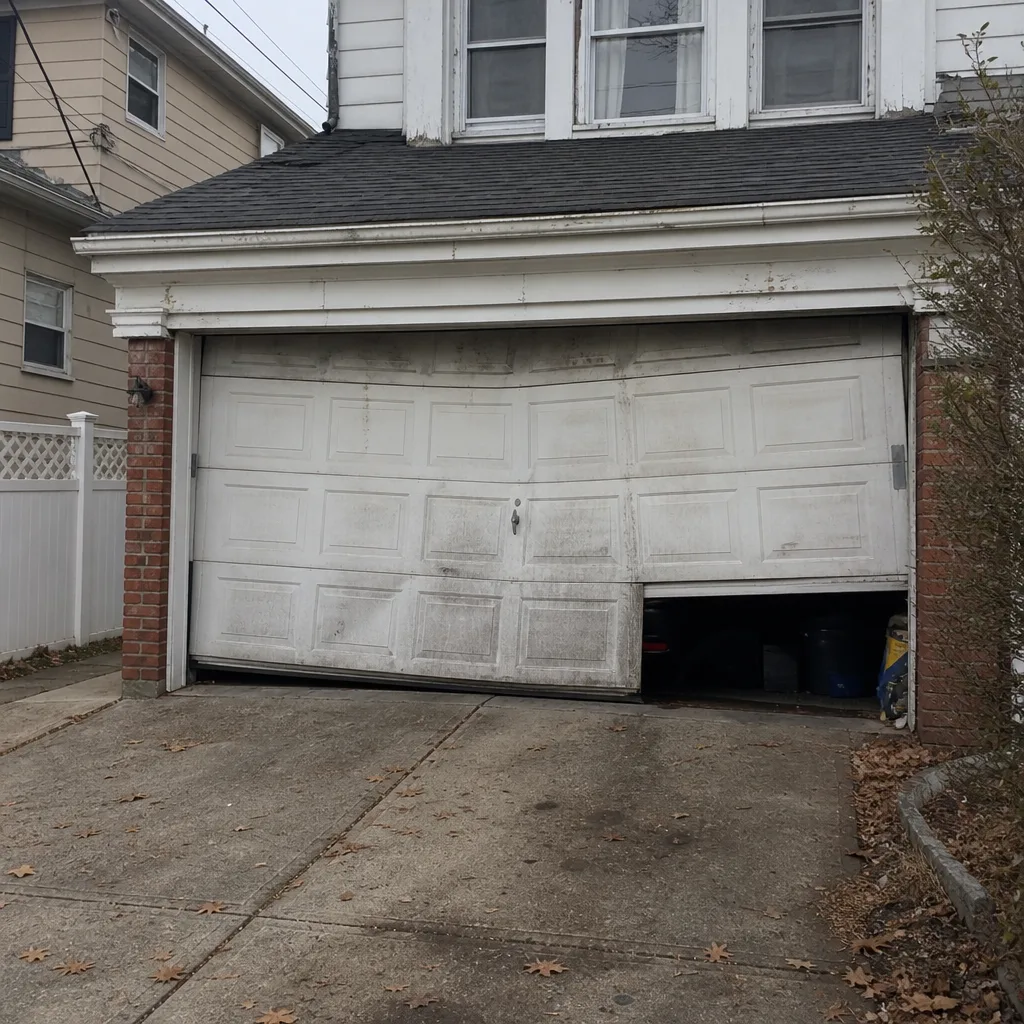 Before
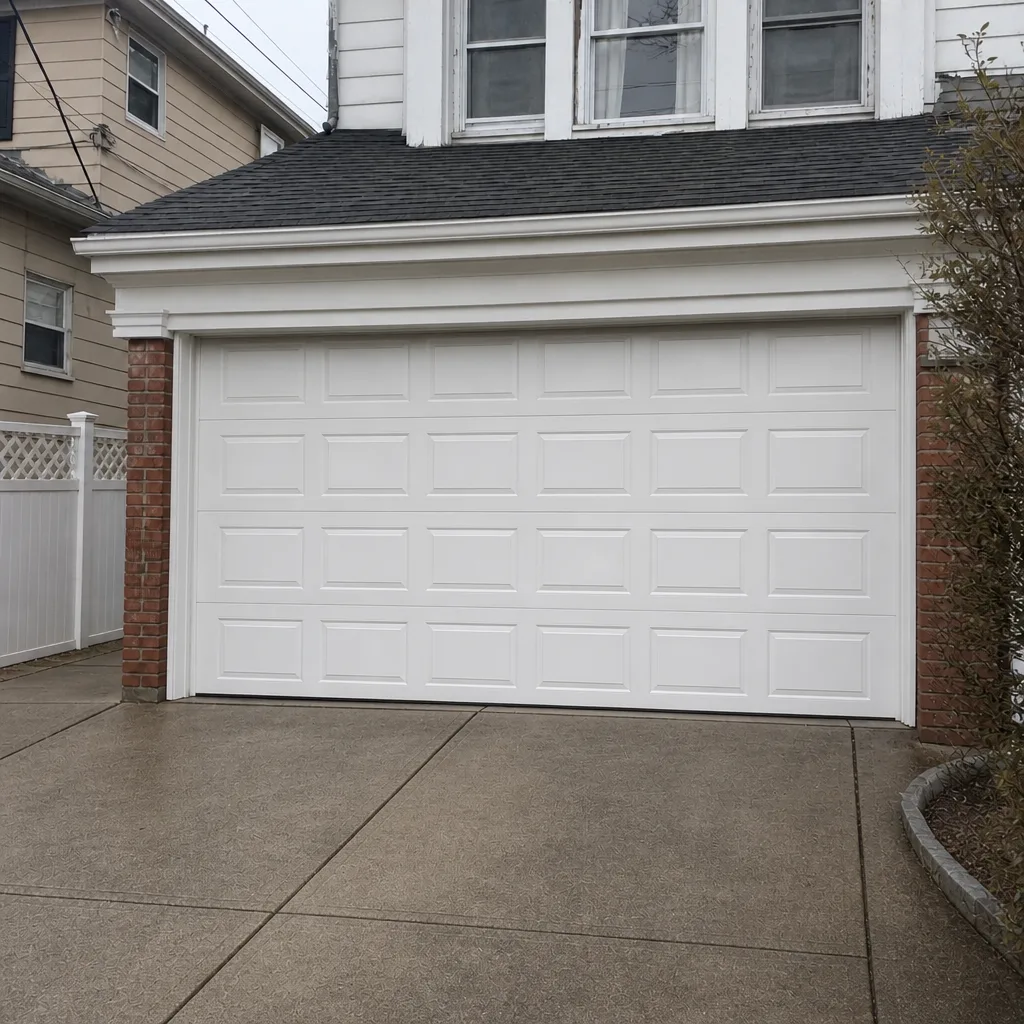 After
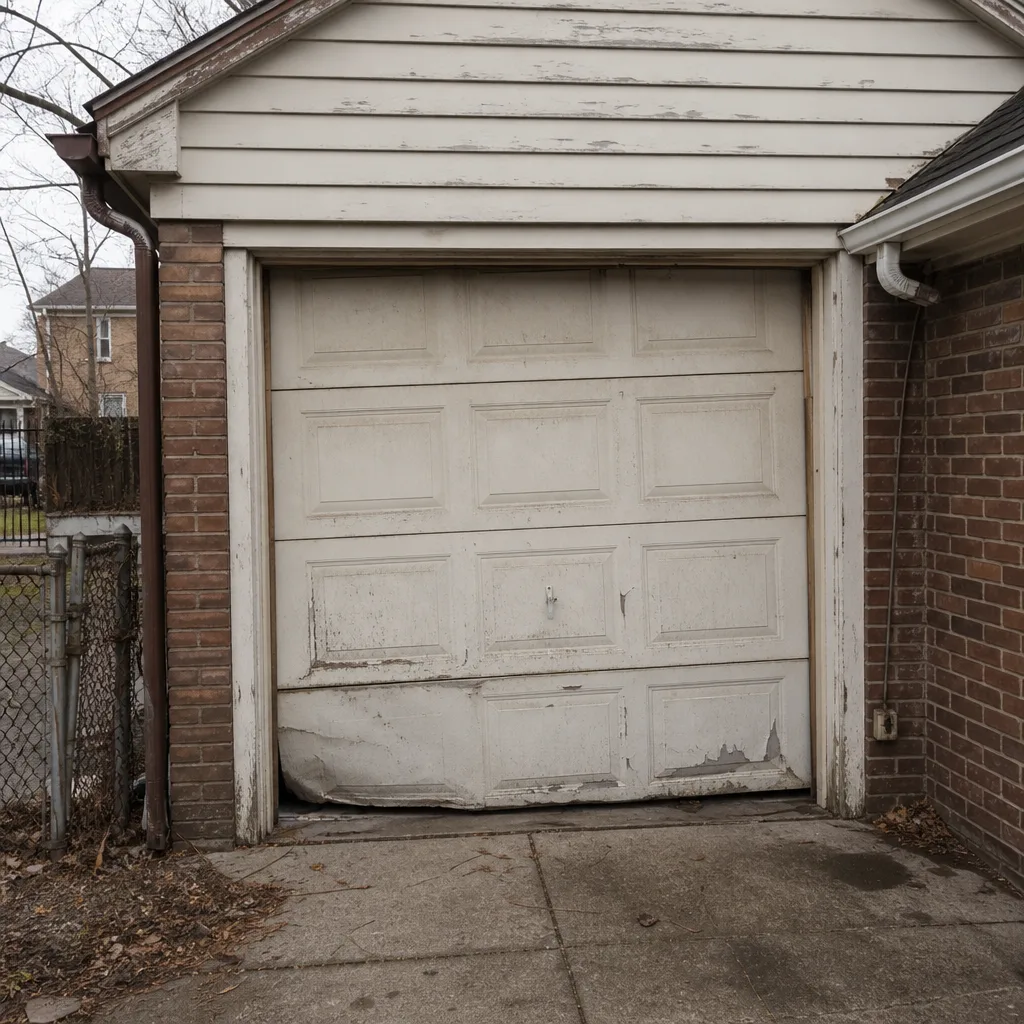 Before
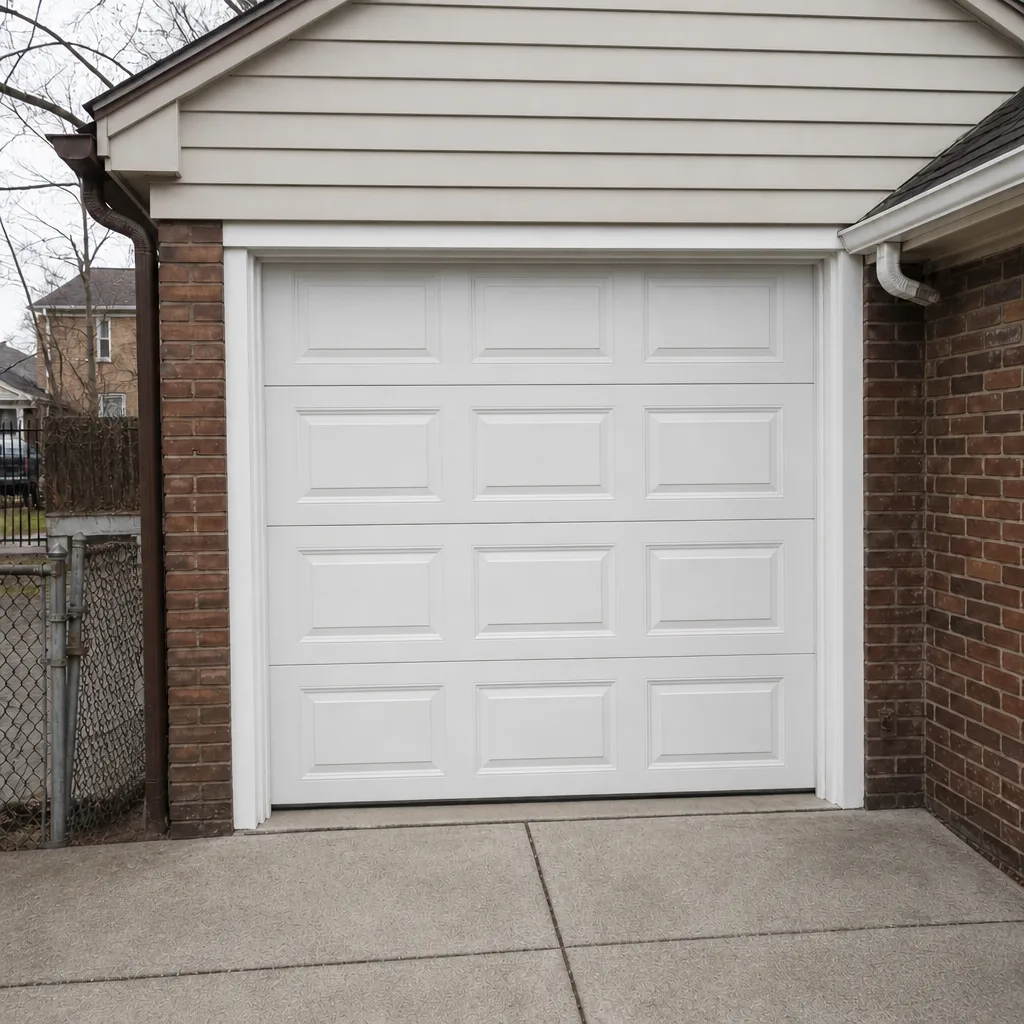 After
Frequently Asked Questions
It depends on the scope. A like-for-like replacement of the same size door in the same opening usually doesn’t require a DOB permit, but any change to dimensions, structural framing, door type, or fire separation typically does. When in doubt, ask the DOB’s Brooklyn Borough Office before work starts. Call (833) 721-7259 for a free Crown Heights estimate and a scope review.
Yes, owners of one- and two-family owner-occupied homes can file through DOB NOW. But filing shifts the risk to you: if the work fails inspection, correction costs and re-fees fall on you, not the installer. Having a licensed contractor file is usually the safer route. Call (833) 721-7259 to talk through the scope.
Like-for-like means the new door matches the existing door in width, height, weight class, hardware configuration, and fire rating, with no changes to the surrounding structure or track. “Similar style” is not enough. If you’re unsure whether your door qualifies, call (833) 721-7259 for a free assessment.
Skipping the permit doesn’t make the requirement disappear; it just moves the problem to a future inspection, a resale title search, or a DOB violation. Building code compliance issues can follow the property, not just the work. Call (833) 721-7259 before work starts so the scope is clear.
If your garage is attached to the living space, yes, fire separation applies, and it’s one of the most overlooked issues in garage door replacements. The wall and any pedestrian door between garage and house must typically be fire-rated and self-closing. If you’re replacing the garage door, have the surrounding assembly checked at the same time. Call (833) 721-7259 to schedule a review.
No, not if the scope was defined upfront and the price was quoted and agreed before work started. A properly scoped job accounts for the permit, inspections, and any code requirements in advance. The written estimate sets the final price. Call (833) 721-7259 for a free written estimate.
The Bottom Line
A garage door replacement in Crown Heights is straightforward when the scope is clear. It becomes expensive and stressful when the permit question, fire separation, and inspection requirements get glossed over. Like-for-like replacements usually avoid permitting, but any change to size, structure, or fire separation brings the DOB into the picture. Contractors who offer to file permits are protecting you; contractors who shrug off the question are not. If you want a scope review and a written estimate before scheduling work, we’re ready to help. Our technicians have up to 15 years of experience on LiftMaster, Wayne Dalton, Raynor, Craftsman, and other leading brands, and we work on the door and the opener together so both components stay in compliance.
Contact Us for a Free Estimate
If you’re planning a garage door replacement in Crown Heights and want to know exactly what’s required, call Garage Door Repair Crown Heights at (833) 721-7259 for a free estimate. We’ll walk through your project scope, check the permit requirements, and give you a written price before anything gets ordered. Same-day and emergency service is available for urgent repairs, and we handle the door and opener together in a single visit. If you want to know more about how we handle garage door repair Crown Heights, our team is ready to answer.
Written by the team at Garage Door Repair Crown Heights.